
Crossing the Atlantic Ocean has transformed from a perilous, weeks-long maritime journey into a routine transit that defines the modern globalized world. Whether you are traveling for business, pleasure, or a blend of both, understanding the distance between London and New York is the first step in planning an efficient and comfortable trip. While the physical geography remains constant, the “distance” is better measured in time, logistical convenience, and the unique challenges of trans-oceanic flight.
Understanding the Physical and Aerial Distance
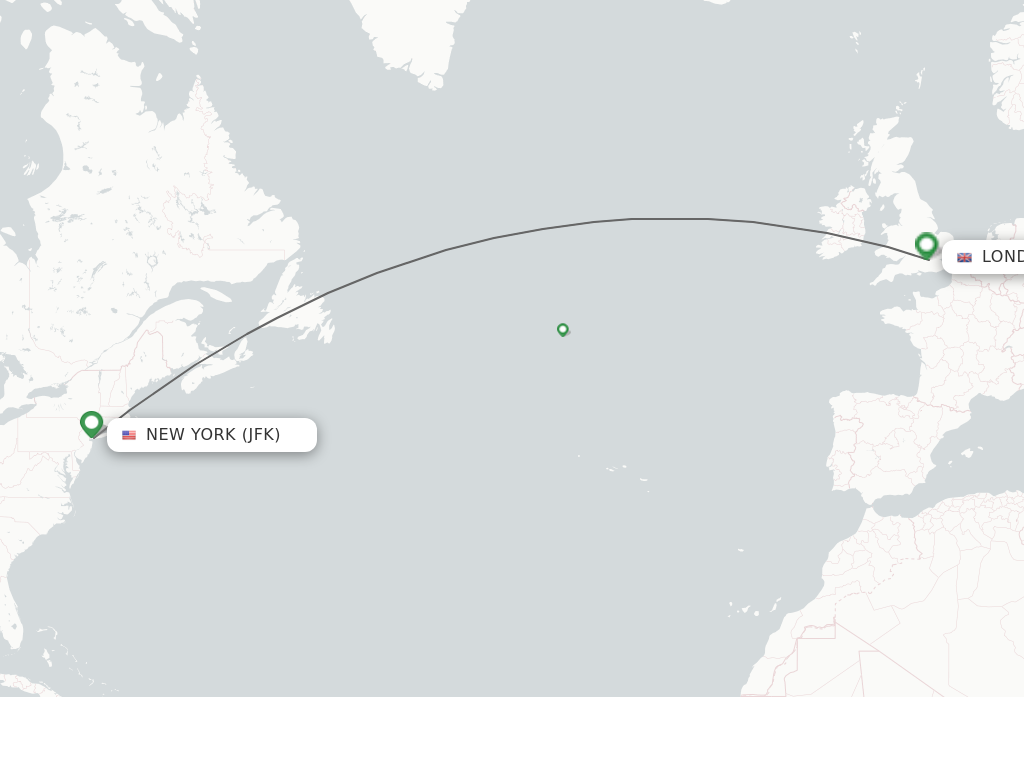
When geographers measure the distance between the capital of the United Kingdom and the financial hub of the United States, they cite a Great Circle distance—the shortest path over the Earth’s surface—of approximately 3,450 miles or 5,550 kilometers. However, passengers rarely experience this exact line due to atmospheric conditions and international aviation regulations.

The Impact of Jet Streams
The duration of your flight is rarely symmetrical. Because of the prevailing winds known as the jet stream, which blow from west to east across the Atlantic Ocean, flights traveling from London to New York must fly against the wind. Consequently, a westbound flight typically takes about 7 to 8 hours. Conversely, the return leg, aided by these powerful tailwinds, can often be completed in as little as 6.5 to 7 hours.
Flight Paths and North Atlantic Tracks
Commercial aircraft do not simply point their nose toward the destination. They follow a dynamic system of North Atlantic Tracks. These “highways in the sky” are adjusted daily by air traffic control to avoid severe turbulence and optimize fuel efficiency based on real-time wind patterns. This is why you might find your flight path taking you over the southern tip of Greenland or deep over the Celtic Sea, depending on the day’s meteorological data.
The Logistics of Trans-Atlantic Travel
For the traveler, distance is rarely about miles; it is about the “cost” in time and energy. Transitioning between the GMT time zone of London and the EST time zone of New York requires careful planning to mitigate the effects of jet lag and ensure a smooth start to your trip.
Maximizing Efficiency
The most common way to bridge this gap is via direct flights departing from major hubs like London Heathrow Airport. By choosing a morning departure, travelers can arrive at John F. Kennedy International Airport or Newark Liberty International Airport in the late afternoon. This allows for a full evening in the city, enabling you to settle into your hotel before the sun sets, which is arguably the most effective way to reset your internal clock.
Choosing the Right Experience
Travelers often debate the necessity of premium cabins when crossing the Atlantic. Because the flight is long enough to warrant a meal and a cycle of rest, but short enough to be considered a “sprint” in global aviation terms, the choice of seat is vital. Many airlines offer lie-flat seats for this route, which can turn the 3,450-mile journey into a regenerative experience. If you are landing in New York for a high-stakes business engagement, the investment in comfort is often reflected in your productivity upon arrival.
Navigating the Arrival: From Air to City
Once the aircraft touches down, the final leg of the journey begins. Distance in this context refers to the transition from the airport tarmac to the bustling streets of Manhattan.
Airport Connectivity
- John F. Kennedy International Airport: Located in Queens, this airport offers the iconic AirTrain connection that links to the subway system, providing a cost-effective, albeit slower, entry into the city. Alternatively, private car services can bridge the 15- to 20-mile distance to Midtown in anywhere from 45 minutes to two hours, depending on the notorious New York City traffic.
- Newark Liberty International Airport: Situated in New Jersey, this airport is often cited as a more convenient alternative for those heading to the western side of Manhattan. The NJ Transit train system is a highly efficient way to reach Penn Station in the heart of the city.
Managing Expectations
When you travel from a historical metropolis like London to a vertical marvel like New York, the transition is jarring yet exhilarating. The distance between these two cities is bridged by the sheer volume of cultural and economic exchange. While the physical separation is nearly 3,500 miles, the integration of these two global capitals makes them feel like neighbors.
Planning Your Next Journey
Whether you are seeking the royal history of Buckingham Palace or the bright lights of Times Square, understanding the nature of the trip is essential. The distance is a constant factor, but the way you choose to bridge it defines your trip.

Essential Travel Tips
- Hydration and Nutrition: The cabin air at 35,000 feet is extremely dry. Drinking water and avoiding excessive caffeine is the best way to handle the duration of the flight.
- Connectivity: Ensure your mobile plans are updated to handle the transition between the UK and the USA. Relying on airport Wi-Fi to navigate the complexities of New York transit can lead to unnecessary stress upon arrival.
- The Pre-Arrival Routine: If possible, attempt to align your sleep schedule with your destination’s time zone 48 hours before you depart London. By going to bed an hour earlier each night, you can arrive in New York feeling refreshed rather than depleted.
Ultimately, the distance to New York from London is a small price to pay for the experiences awaiting in two of the world’s greatest destinations. By respecting the logistical demands of the trip and planning for the transition between these two iconic cities, you ensure that the journey is as enjoyable as the destination itself. Whether you view the flight as a time for work, a moment for reflection, or a brief window for rest, it remains the vital link in the chain that connects these two global centers of influence.
LifeOutOfTheBox is a participant in the Amazon Services LLC Associates Program, an affiliate advertising program designed to provide a means for sites to earn advertising fees by advertising and linking to Amazon.com. Amazon, the Amazon logo, AmazonSupply, and the AmazonSupply logo are trademarks of Amazon.com, Inc. or its affiliates. As an Amazon Associate we earn affiliate commissions from qualifying purchases.