
Escaping the hustle and bustle of New York for the turquoise waters of Cancun is a quintessential North American getaway. Whether you are chasing the pristine white sands of the Yucatan Peninsula or looking to explore the vibrant nightlife of the Mexican Caribbean, the first step in your journey is understanding the logistical realities of the flight. As travelers weigh the options between direct routes and connecting flights, knowing exactly how much time you will spend in the air is essential for planning an efficient tropical retreat.
Understanding Flight Durations Between the Big Apple and the Tropics
When you depart from an airport in New York City, such as John F. Kennedy International Airport or Newark Liberty International Airport, you are looking at a relatively straightforward path south. While the exact flight time can fluctuate based on specific flight paths, wind patterns, and aircraft speed, travelers can generally count on a consistent timeframe for this popular route.
Direct Flights: The Fastest Path to Paradise
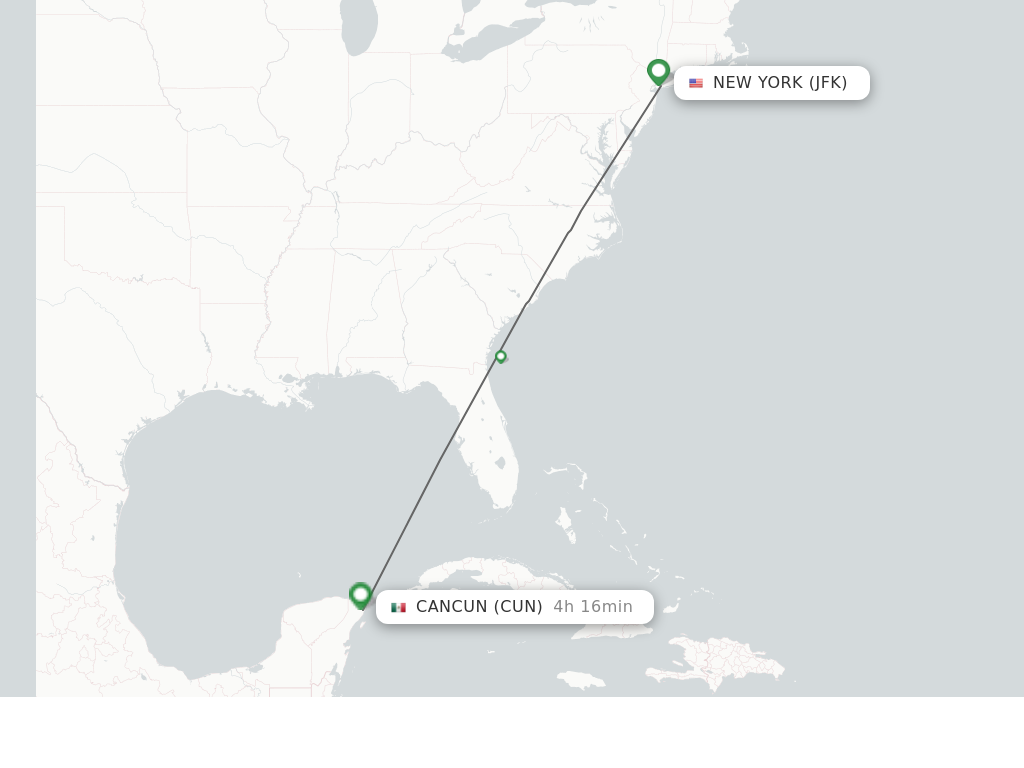
For those prioritizing speed, a non-stop flight is the gold standard. On average, a direct flight from New York to Cancun International Airport takes approximately 3 hours and 45 minutes to 4 hours and 15 minutes.
This duration assumes favorable weather conditions and standard air traffic control patterns. Because you are heading into warmer climates, the tailwinds or headwinds encountered during the flight can influence your total time by about 10 to 15 minutes. Most major carriers offer these direct routes, making it easy to leave Manhattan in the morning and arrive in Mexico in time for a late afternoon swim.
The Reality of Connecting Flights
If you choose a flight with a layover, your travel time increases significantly. Connecting flights typically involve a stop in cities like Atlanta, Charlotte, or Miami. Depending on the efficiency of your transfer, total travel time can range anywhere from 6 to 9 hours. While these options are often more budget-friendly, they sacrifice the convenience of a direct route. Travelers opting for connections should account for potential delays during transfers, which can turn a half-day travel experience into a full-day commitment.
Variables That Influence Your Arrival Time
While the flight duration is a predictable metric, several external factors can shift your schedule. Understanding these variables helps in managing expectations and planning ground transportation upon arrival in Quintana Roo.
Wind Patterns and Jet Streams
Commercial aviation relies heavily on the jet stream. During the winter months, North Atlantic jet streams are often stronger. While your flight to Cancun generally moves away from the most intense turbulence patterns, weather fronts moving across the United States can create headwinds that slightly increase flight time. Conversely, favorable winds can sometimes shave a few minutes off your scheduled arrival, allowing the pilot to touch down ahead of schedule.

Air Traffic Congestion
Both New York and Cancun are major aviation hubs. LaGuardia Airport, while less common for international routes to Mexico, and the massive international hubs like JFK often face ground delays. If you are departing during peak holiday seasons or high-traffic weekend mornings, you may spend extra time taxiing on the runway. Likewise, Cancun International Airport sees a massive influx of international travelers, and occasionally, flights may be placed in a holding pattern before landing if the airspace is particularly busy.
Aircraft Type and Performance
The specific aircraft operated by your airline—such as a Boeing 737 or an Airbus A321—can also impact speed. Different models have varying cruise speeds and fuel efficiencies, though for a flight of this distance, the variance is rarely more than a handful of minutes. The primary benefit of choosing a specific airline is often their operational track record for on-time performance rather than the physical speed of the aircraft itself.
Optimizing Your Travel Strategy
To ensure your transition from the urban energy of New York to the relaxed atmosphere of the Caribbean Sea is as smooth as possible, consider these strategic travel tips.
Choosing the Right Departure Time
If you have the flexibility, prioritize early morning flights. Airports are generally more efficient at the start of the day, with fewer cascading delays from earlier flights. Departing at 7:00 AM from New York means you are likely to be landing in Cancun by late morning or early afternoon, giving you nearly a full day to enjoy the amenities of your resort or the vibrant culture of the region.
The Importance of Buffers
Regardless of the scheduled flight time, always build in a buffer for ground transportation. Whether you are heading to a resort in the Hotel Zone or venturing further down the coast to Tulum or Playa del Carmen, traffic in the region can be unpredictable. When you land, you will still need to clear customs and immigration, which can take anywhere from 30 minutes to over an hour depending on the volume of international arrivals.
Preparing for International Procedures
Because this is an international flight, remember that your arrival time involves more than just stepping off the plane. You must account for passport control and luggage retrieval. Modern kiosks and automated passport control (APC) lanes have improved efficiency significantly at the Cancun airport, but it remains a critical part of your arrival timeline.

Enjoying the Journey
Traveling from New York to Cancun is a transition between two iconic worlds. The four-hour flight is the perfect duration to catch up on reading, enjoy an in-flight movie, or simply prepare yourself for the change in scenery. By understanding that your “flight time” encompasses the full logistical journey, you can better manage your day.
Whether you are seeking the historical intrigue of Chichen Itza, the underwater wonders of the Great Mayan Reef, or the simple luxury of a beachfront cabana, the relatively short flight makes the destination highly accessible. With careful planning and an awareness of the factors influencing your transit, you can move efficiently from the skyscrapers of the Northeast to the sun-drenched shores of the Yucatan with ease and comfort.
Remember to keep your travel documents accessible and monitor your airline’s app for real-time updates. The distance between New York and Cancun is roughly 1,500 miles, a span that bridges the gap between the concrete jungle and a tropical paradise in a matter of just a few hours. Once you land, the warmth of the sun and the hospitality of the Mexican people make every minute spent in transit worthwhile. With a clear understanding of your flight parameters, your next vacation is ready to begin the moment you confirm your booking.
LifeOutOfTheBox is a participant in the Amazon Services LLC Associates Program, an affiliate advertising program designed to provide a means for sites to earn advertising fees by advertising and linking to Amazon.com. Amazon, the Amazon logo, AmazonSupply, and the AmazonSupply logo are trademarks of Amazon.com, Inc. or its affiliates. As an Amazon Associate we earn affiliate commissions from qualifying purchases.