
Traveling from the heart of the Great Plains in Oklahoma to the bustling urban landscape of New York is a journey that spans over 1,500 miles. Whether you are driven by the allure of the Big Apple or simply looking to traverse the vast expanse of the United States, understanding the logistics of this cross-country trek is essential for a seamless trip. From flight durations that cut across the continent in a matter of hours to the meditative pace of a multi-day road trip, the journey is as much about the destination as it is about the transition between two distinct American cultures.
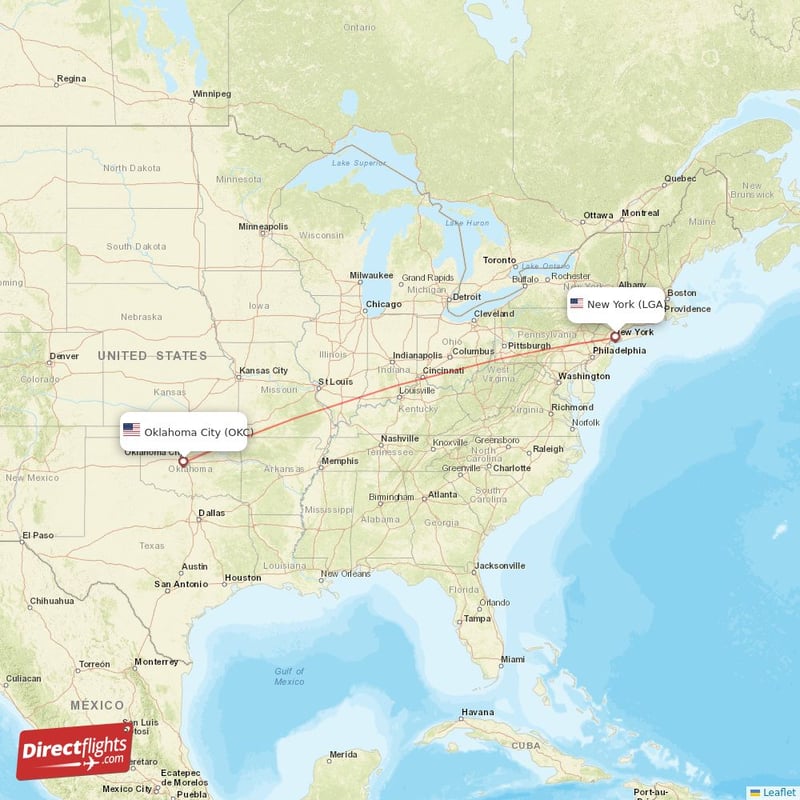
Aerial Transit: The Fastest Route Across the Map
For most travelers, the primary goal is efficiency. Flying from Oklahoma City or Tulsa to major New York City hubs like John F. Kennedy International Airport or LaGuardia Airport is the most logical choice. When you account for direct flight paths and the standard aerial distance, the time spent in the air typically ranges between three to four hours.
Direct vs. Connecting Flights
While direct flights are the gold standard for travel comfort, they are not always available depending on your departure point. A direct flight allows you to minimize the stress of layovers and security lines. However, many travelers find themselves connecting through major aviation hubs such as Dallas-Fort Worth International Airport or Chicago O’Hare International Airport. If you opt for a connection, your total travel time can easily extend to six or eight hours.
Pre-Flight Considerations
It is important to remember that flight duration is only one component of your total travel day. Navigating Will Rogers World Airport or Tulsa International Airport requires arriving at least two hours before departure. By the time you land and navigate the transit systems into Manhattan or Brooklyn, you should budget an entire day for the transition from the plains to the city streets.
The Great American Road Trip: Driving Across the Country
Driving from Oklahoma to New York is a transformative experience, offering a front-row seat to the changing topography of the nation. Spanning roughly 1,500 to 1,600 miles depending on your specific route, this trip is not for the faint of heart. For a persistent driver, the journey takes approximately 22 to 24 hours of pure driving time. However, to do this safely and comfortably, experts recommend a three-day itinerary.
Mapping the Interstate Route
The most common driving path takes travelers northeast through the heartland. You will likely find yourself traversing Missouri, Illinois, Indiana, Ohio, and Pennsylvania via the Interstate 44 and Interstate 70 corridors. Each state offers unique rest stops, regional diners, and local landmarks that can turn a tedious drive into a historical tour of the Midwest.
Strategic Stops Along the Way
- St. Louis, Missouri: A great halfway point for the first day of driving, offering the iconic Gateway Arch as a perfect backdrop for a travel photo.
- Columbus, Ohio: An excellent place to stretch your legs and enjoy the local culinary scene before pushing toward the final leg of the journey through the Appalachian Mountains.
- Pittsburgh, Pennsylvania: A historic city that provides a perfect transition from the flat plains of the west to the dense, hilly terrain of the East Coast.

Rail Travel: A Scenic Alternative to Speed
While flight is fast and driving offers flexibility, taking the train is an underrated way to see the country. Amtrak offers routes that can get you from the Southwest to the Northeast, though it requires patience and a love for the journey itself.
The Experience of Cross-Country Rail
Unlike the pressurized cabin of an airplane or the concentration required for highway driving, a train journey allows for complete relaxation. You can walk the aisles, dine in the cafe car, and watch as the landscapes shift from the wide horizons of the Great Plains to the dense, industrial corridors of the Mid-Atlantic.
Timing and Logistics
Expect a train journey to take significantly longer than any other mode of transport—often upwards of 40 to 50 hours. This is a deliberate choice for those who view travel as an experience rather than a task to be completed. You will see parts of the country that are inaccessible by highway, providing a unique vantage point on American industry and nature that few modern travelers ever witness.
Choosing the Right Time to Travel
The duration of your trip is often dictated by factors beyond mileage. Seasonality plays a massive role in travel times, especially for road travelers.
Seasonal Impacts on Road Conditions
- Winter Travel: Winter months in the Rust Belt can be treacherous. Snowstorms in Ohio and Pennsylvania can turn a 24-hour drive into a 36-hour ordeal. Always check weather advisories before heading out during the colder months.
- Summer Peak Travel: Summer brings heavy construction on the major interstates. While the weather is generally pleasant, travel times can fluctuate due to highway maintenance and increased volume of tourists heading toward New York.
Planning for Traffic
Regardless of the season, entering the New York City metropolitan area is a feat of patience. The final 50 miles of your trip, whether approaching via the New Jersey Turnpike or the George Washington Bridge, can consume anywhere from one to three hours depending on the time of day. Planning your arrival for mid-morning or mid-day—avoiding the traditional rush hour traffic—is a seasoned traveler’s best tip for maintaining sanity at the end of such a long voyage.

Navigating the Shift in Atmosphere
Transitioning from Oklahoma to New York is more than just a change in location; it is a shift in tempo. Whether you spend four hours in the air, twenty-four hours on the road, or two days on the rails, you are moving from a state defined by its vast, open landscapes and deep-rooted agricultural history to the world’s most intense vertical metropolis.
Ultimately, the “length” of the trip is defined by your chosen methodology. If your objective is simply to reach the Empire State Building or the bright lights of Times Square, air travel remains the king of efficiency. However, for those who wish to connect the dots of the American experience, the road offers a comprehensive narrative that bridges two very different worlds. Whichever path you select, the journey from Oklahoma to New York is a testament to the sheer scale and diversity of the country, rewarding the patient traveler with a profound appreciation for the distance between the plains and the coast.
LifeOutOfTheBox is a participant in the Amazon Services LLC Associates Program, an affiliate advertising program designed to provide a means for sites to earn advertising fees by advertising and linking to Amazon.com. Amazon, the Amazon logo, AmazonSupply, and the AmazonSupply logo are trademarks of Amazon.com, Inc. or its affiliates. As an Amazon Associate we earn affiliate commissions from qualifying purchases.