
Embarking on a journey from the bustling streets of New York to the expansive landscapes of China is a transcontinental endeavor that bridges two of the world’s most dynamic powerhouses. Whether you are traveling for business, visiting family, or exploring ancient wonders, understanding the logistical realities of such a long-haul flight is the first step in successful trip planning. Because this route spans thousands of miles and crosses the International Date Line, the duration can feel significant, but with modern aviation, it is more manageable than ever.
Understanding Flight Durations and Factors
When booking your ticket from John F. Kennedy International Airport to a major hub like Beijing Capital International Airport or Shanghai Pudong International Airport, it is essential to distinguish between direct flights and those with layovers.

Non-Stop Routes
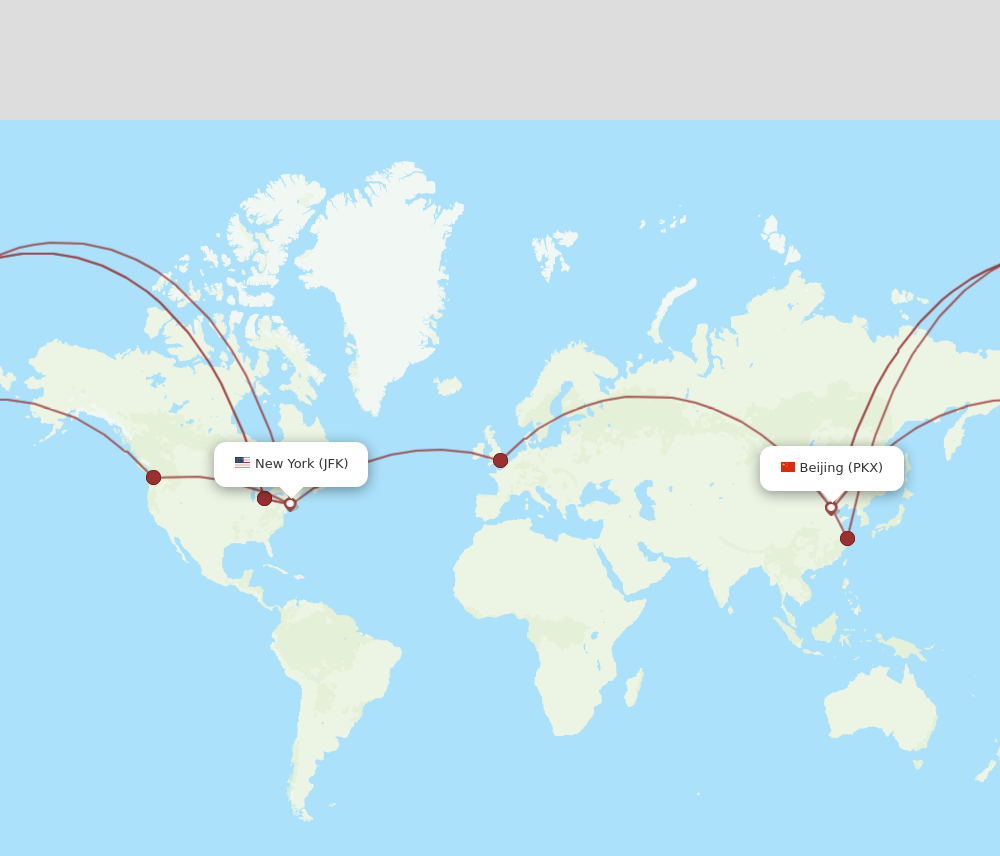
A direct flight from New York to major Chinese cities typically takes between 13.5 and 15.5 hours. The actual time spent in the air is influenced by several variables:
- Wind Patterns: Prevailing jet streams play a massive role in flight speed. Flying eastward is generally faster, meaning the return leg to New York may be slightly shorter than the outbound trip.
- Flight Path: The route taken over the Arctic Circle or across the Pacific Ocean can vary depending on weather conditions and air traffic control requirements.
- Aircraft Type: Modern, fuel-efficient aircraft like the Boeing 787 Dreamliner or the Airbus A350 are designed for ultra-long-haul endurance, optimizing cruise speeds to maintain schedules.
The Impact of Layovers
If you opt for a flight with a layover, your travel time increases substantially. Common transit hubs for this route include Incheon International Airport in South Korea, Narita International Airport in Japan, or Hong Kong International Airport. A layover can add anywhere from 3 to 10 hours to your journey, depending on the efficiency of the connection. While this adds to the total travel time, it can often be a more budget-friendly option compared to non-stop flights.
Choosing Your Arrival Hub
China is a massive country, and your arrival airport will dictate both your flight time and your immediate travel experience upon landing.
Arriving in Beijing
As the political and cultural capital, Beijing is a primary destination for many international travelers. Flights to this city from the United States are frequent. The airport infrastructure here is world-class, designed to handle the massive influx of international travelers who arrive eager to see the Great Wall of China or the Forbidden City.
Landing in Shanghai
Shanghai serves as the financial heartbeat of China. Its proximity to the coast and its role as a global transit hub make it an excellent entry point if your destination is the eastern part of the country. Landing in Shanghai offers immediate access to the Bund and the futuristic skyline of Pudong.
Entering via Guangzhou or Shenzhen
For travelers heading to the southern provinces, Guangzhou or Shenzhen are common arrival points. These flights may involve different carrier options and slightly longer or shorter flight times depending on the specific flight path taken from the East Coast of North America.
Navigating Jet Lag and Comfort
Given the 12-to-13-hour time difference between New York and China, jet lag is a significant factor to consider. When your flight duration is over 14 hours, your internal clock will undergo a substantial shift.
Strategies for Long-Haul Comfort
- Hydration and Nutrition: The pressurized cabin air in long-haul aircraft causes dehydration. Increasing your water intake before and during the flight is critical. Opt for light, easily digestible meals to keep your energy stable.
- Movement: Every few hours, walk the aisles or perform light stretching exercises at your seat to maintain circulation. Deep vein thrombosis is a risk on flights of this length, so staying mobile is essential.
- Sleep Optimization: Attempt to align your sleep schedule with the destination time zone as soon as you board the plane. Using noise-canceling headphones, eye masks, and neck pillows can help you carve out a period of rest in an otherwise stimulating environment.
Managing Time Zone Shifts
The shift when traveling to China is notoriously difficult because you are essentially losing or gaining a full day. Many travelers find that the “West-to-East” transition (returning to New York) is harder to manage than the initial flight to Asia. Use the flight time to gradually adjust your clock. If you arrive in Beijing or Shanghai during the day, try to stay awake until local bedtime to force your body to acclimate faster.
Essential Tips for International Travel
To ensure your journey from New York to China is as smooth as possible, there are several bureaucratic and logistical steps to handle well in advance.
Visa Requirements and Documentation
China requires most international visitors to hold a valid visa. Depending on your nationality and the length of your stay, you may need to apply for a tourist (L), business (M), or other specific visa categories. Ensure your passport has at least six months of validity remaining. It is advisable to start this process at least two months before your departure date, as administrative delays can occur.
Connecting Flights and Baggage
If your journey involves a transfer, ensure you have enough time between flights. If your itinerary involves different airlines, verify whether your baggage is “checked through” to your final destination or if you are required to re-check it at your transit hub. Missing a connection in a busy international airport can turn a 15-hour flight into a 24-hour ordeal, so allowing a minimum of three hours for transfers is standard practice for seasoned international travelers.

Connectivity and Technology
Once you arrive in China, note that internet access is subject to local regulations. If you require access to specific western platforms or services, ensure you have a reliable roaming plan or a virtual private network (VPN) that is known to work in the region. Downloading offline maps of your destination city can also be a life-saver when you first arrive and are navigating transit to your hotel or meeting point.
By preparing for the duration of the flight and understanding the nuances of trans-Pacific travel, you transform a potentially daunting 14-hour trek into a manageable and productive part of your journey. Whether you are crossing the clouds to experience the historical depth of Xi’an or the tropical allure of Hainan, the flight is simply the first chapter of an unforgettable adventure.
LifeOutOfTheBox is a participant in the Amazon Services LLC Associates Program, an affiliate advertising program designed to provide a means for sites to earn advertising fees by advertising and linking to Amazon.com. Amazon, the Amazon logo, AmazonSupply, and the AmazonSupply logo are trademarks of Amazon.com, Inc. or its affiliates. As an Amazon Associate we earn affiliate commissions from qualifying purchases.