
Culinary exploration is one of the most rewarding aspects of Tourism, offering a window into the heart of local culture. When travelers visit iconic culinary destinations like New York City, they often find themselves craving the perfect steak. While visiting world-renowned steakhouses is a classic experience, learning how to replicate that succulent, restaurant-quality New York Strip at home—or in your rented vacation kitchen—is a skill that elevates any trip. Achieving the perfect sear and tenderness in an oven requires precision, patience, and a bit of culinary science.
The Foundations of a Perfect New York Strip
The New York Strip is prized for its balance of marbling and firmness. Unlike a filet mignon, which is prized for its extreme tenderness, the strip offers a more robust “beefy” flavor profile. To cook it properly in an oven, you must understand the interplay between high heat and internal temperature.
Choosing Your Cut
Whether you are shopping at a local market in Chicago or selecting a premium cut from a butcher in Paris, look for thick-cut steaks, ideally 1.5 inches to 2 inches thick. A thinner steak will overcook before it develops a crust. Ensure the marbling—the white flecks of intramuscular fat—is generous, as this fat renders down to provide the moisture and flavor that defines a high-quality steak.
Preparation and Tempering
Before the steak touches any heat, it must reach room temperature. Remove your steak from the refrigerator at least 45 minutes before cooking. If you attempt to sear a cold steak, the exterior will burn before the interior hits your desired level of doneness. Pat the steak thoroughly dry with paper towels; moisture is the enemy of the Maillard reaction, the chemical process that creates the delicious, brown crust on seared meat. Season generously with kosher salt and freshly cracked black pepper.
The Reverse Sear Method: The Professional’s Choice
For thick steaks, the “reverse sear” is widely considered the gold standard for home cooks and professionals alike. This method involves cooking the steak low and slow in the oven first, then finishing it with a lightning-fast sear on the stovetop. This approach ensures an edge-to-edge medium-rare result without the unsightly gray band of overcooked meat often found in traditional pan-frying.
Oven Stage: Low and Slow
Preheat your oven to 250°F (120°C). Place your seasoned steaks on a wire rack set over a baking sheet. This allows hot air to circulate underneath the meat, ensuring even cooking. Place the tray in the center of the oven.
- Rare: Remove when the internal temperature reaches 115°F (46°C).
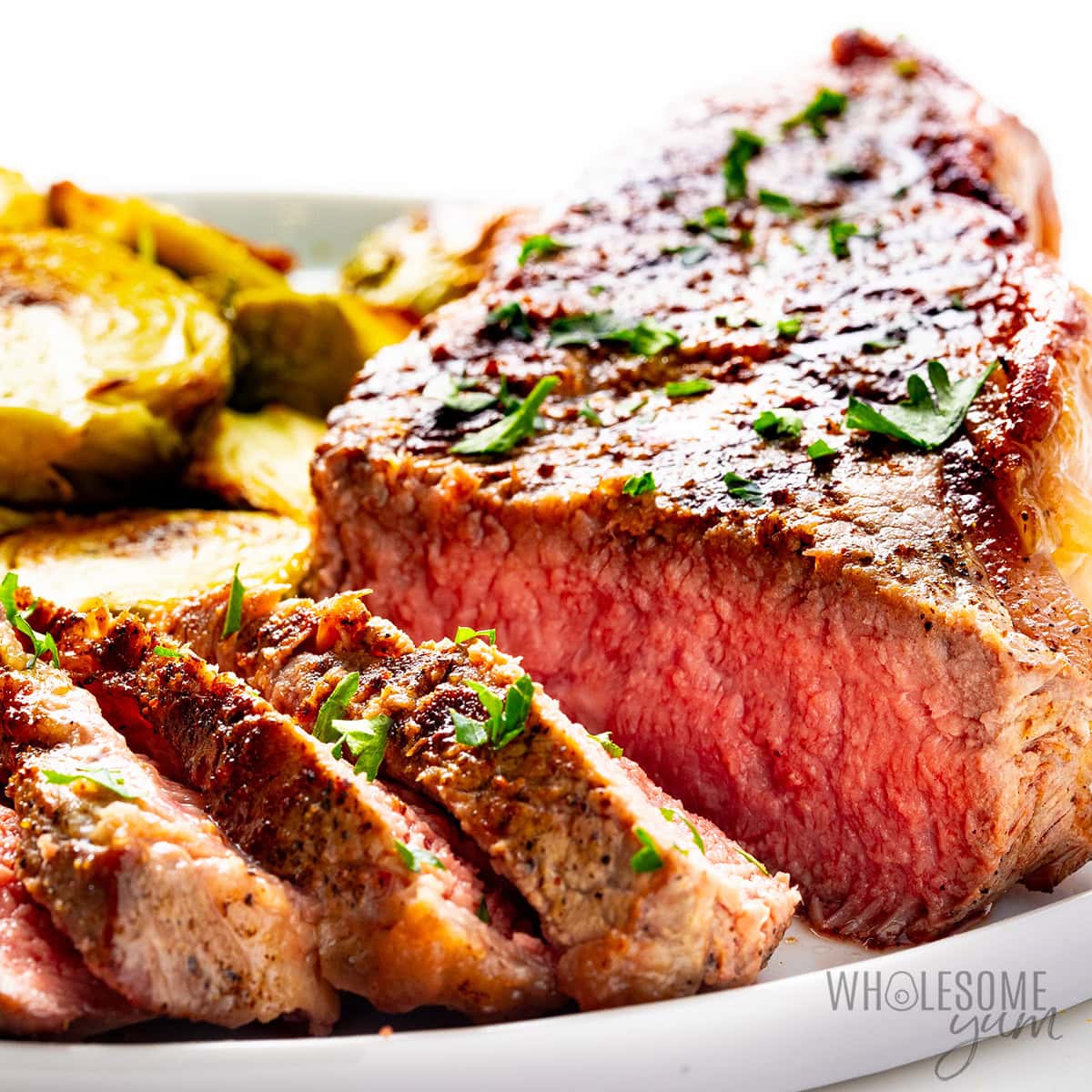
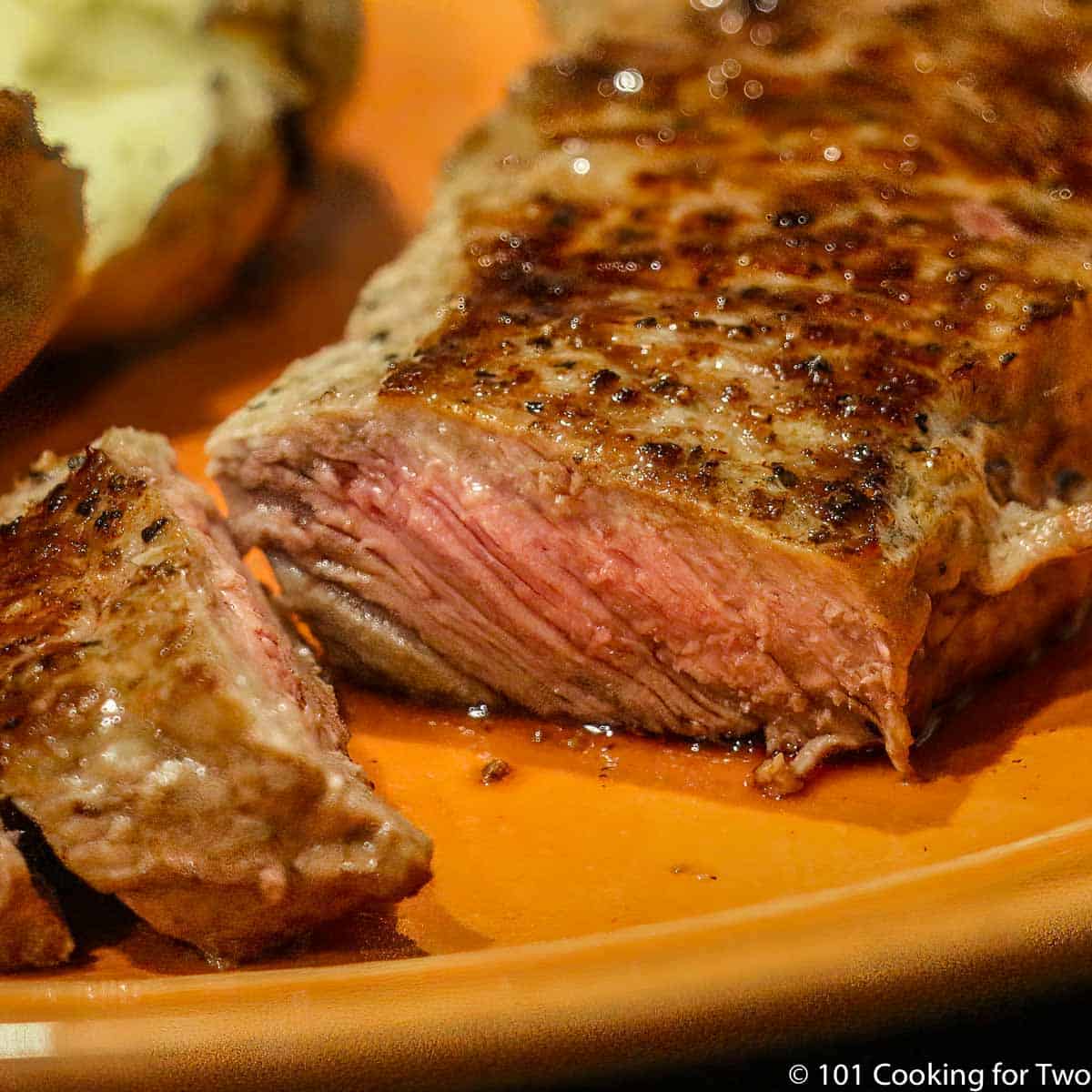
- Medium-Rare: Remove when the internal temperature reaches 125°F (52°C).
- Medium: Remove when the internal temperature reaches 135°F (57°C).
Depending on the thickness of the steak, this usually takes between 30 and 50 minutes. Patience is key here; do not rush the process.
The Finishing Sear
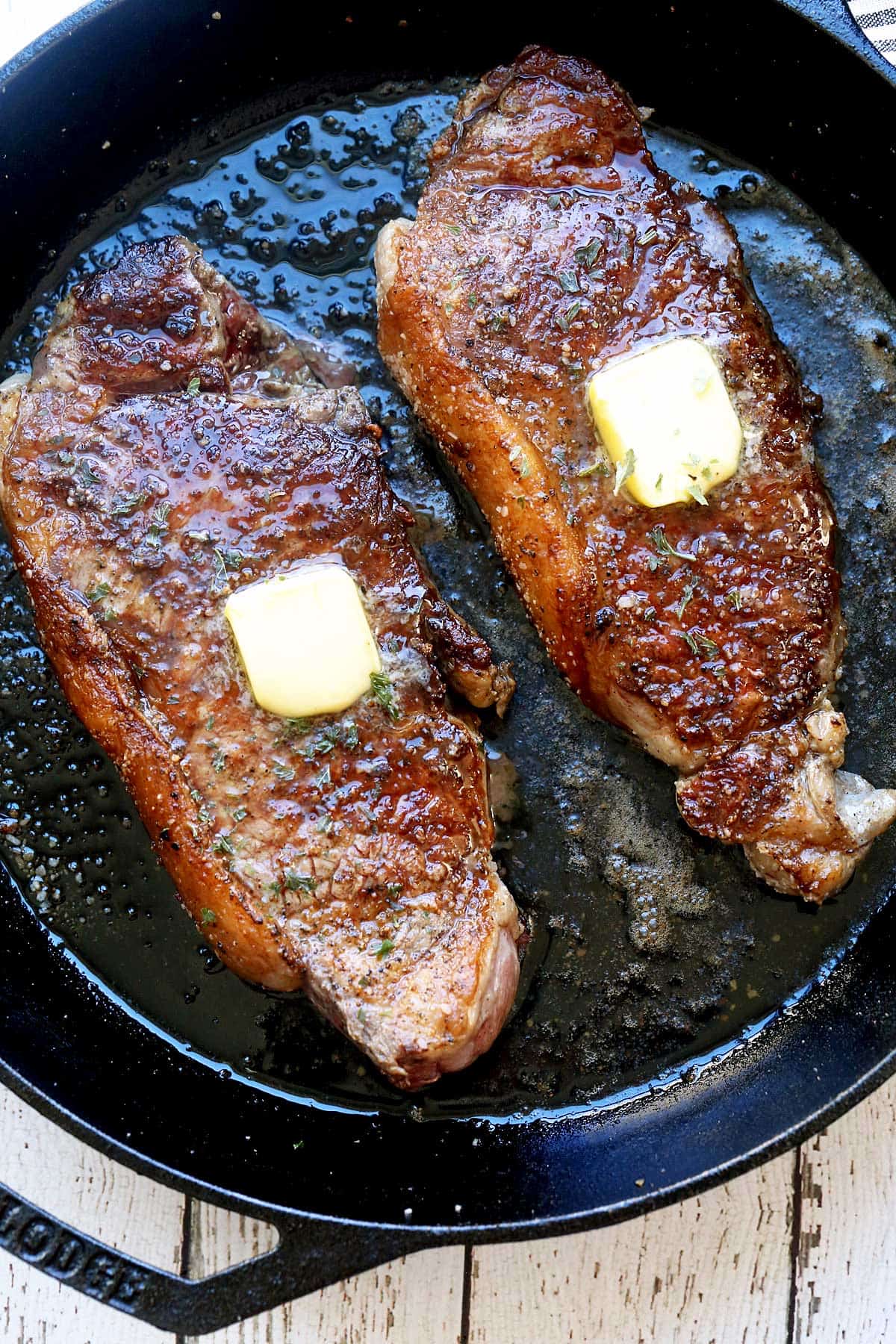
Once the internal temperature is reached, remove the steak from the oven. Heat a heavy-duty cast-iron skillet over high heat until it is smoking slightly. Add a high-smoke-point oil, such as grapeseed or avocado oil. Carefully place the steak in the skillet. Sear for 45 to 60 seconds per side, flipping until a dark, mahogany crust has formed. During the final 30 seconds, add a knob of unsalted butter, two cloves of smashed garlic, and a sprig of fresh thyme to the pan. Use a spoon to baste the foaming, aromatic butter over the steak.
Resting and Serving: The Final Step
Many home cooks make the mistake of cutting into a steak the moment it leaves the skillet. This is a critical error. Resting your meat is a non-negotiable step in the culinary arts, practiced in the finest kitchens from Tokyo to Buenos Aires.
Why Resting Matters
As the steak cooks, the muscle fibers contract and push the juices toward the center of the meat. If you slice it immediately, those juices will run out onto the cutting board, leaving the steak dry and flavorless. By letting the steak rest for 8 to 10 minutes on a warm plate or cutting board, you allow the muscle fibers to relax and reabsorb those juices, ensuring every bite remains tender and succulent.
Pairing Your Meal
A perfectly cooked New York Strip demands simple, elegant accompaniments. Whether you are dining at a high-end resort in Napa Valley or cooking in your own kitchen, pair your steak with roasted root vegetables, a light arugula salad with lemon vinaigrette, or perhaps a classic potato gratin. The goal is to let the quality of the beef take center stage.
Troubleshooting Common Steak Challenges
Even with careful planning, variables such as oven calibration or steak thickness can lead to variations in the final product. Understanding how to adjust for these variables is part of the mastery of cooking.
Managing Smoke
When searing at high temperatures, smoke is inevitable. Ensure your kitchen is well-ventilated by turning on the range hood or opening a nearby window. If you are in a small apartment or a vacation rental, clear the area of any sensitive fire alarms before you begin the searing process.
Dealing with Irregular Cuts
If your New York Strip has an uneven shape, the thinner edges will naturally cook faster. Use your digital meat thermometer to check the thickest part of the steak. If the ends are becoming overcooked, you can slightly “tent” the edges with aluminum foil during the oven phase, though with a high-quality, thick-cut steak, this is rarely necessary.
Selecting the Right Equipment
The tools you use are just as important as the technique. A reliable digital meat thermometer is the single most important investment for anyone interested in cooking proteins. Relying on “touch” or “time” is unpredictable, whereas temperature provides the scientific data needed for consistent results. A heavy cast-iron skillet is also highly recommended because of its superior heat retention, which is essential for that final, crucial sear.
Culinary Tourism: Bringing the Experience Home
The beauty of learning to cook a steak perfectly lies in how it connects us to our travels. Whether you reflect on a memorable dinner in Florence or plan your next gastronomic adventure to Sydney, the ability to prepare a high-quality meal is a skill that travels with you.
Culinary traditions, from the dry-aging techniques in London to the open-flame grilling methods seen in South America, inform the way we perceive food. When you master the oven-cooked steak, you aren’t just following a recipe; you are engaging with a global history of fire, meat, and hospitality. By applying these techniques, you ensure that no matter where you are in the world, you can create a dining experience that feels both local and luxurious.
Keep your techniques consistent, respect the quality of your ingredients, and always—without exception—allow your steak the time it needs to rest before serving. This disciplined approach is the secret to a steak that is tender, flavorful, and worthy of the finest culinary traditions.
LifeOutOfTheBox is a participant in the Amazon Services LLC Associates Program, an affiliate advertising program designed to provide a means for sites to earn advertising fees by advertising and linking to Amazon.com. Amazon, the Amazon logo, AmazonSupply, and the AmazonSupply logo are trademarks of Amazon.com, Inc. or its affiliates. As an Amazon Associate we earn affiliate commissions from qualifying purchases.