
When travelers and history enthusiasts flock to New York, they are often drawn to the towering skyscrapers, the neon lights of Times Square, and the cultural tapestry of the five boroughs. However, beyond the tourism and the entertainment, the state serves as a pivotal engine of the American political landscape. To understand the gravity of the Empire State’s influence in the halls of the United States Capitol, one must look at its representation in the House of Representatives.
Currently, New York State is home to 26 congressional districts. This means the state sends 26 representatives to Washington, D.C., each serving as a voice for a specific geographic slice of the state’s population. This number is not static; it is a fluid figure that shifts according to the national census, reflecting the complex demographic evolution of one of the most dynamic regions in the United States.
The Census and Changing Representation
The number of congressmen allocated to any state is dictated by the decennial census, a process mandated by the Constitution to ensure that the House of Representatives remains proportional to the population. As New York City and its surrounding areas evolve, so too does the state’s political weight.
Apportionment and Political Shifts
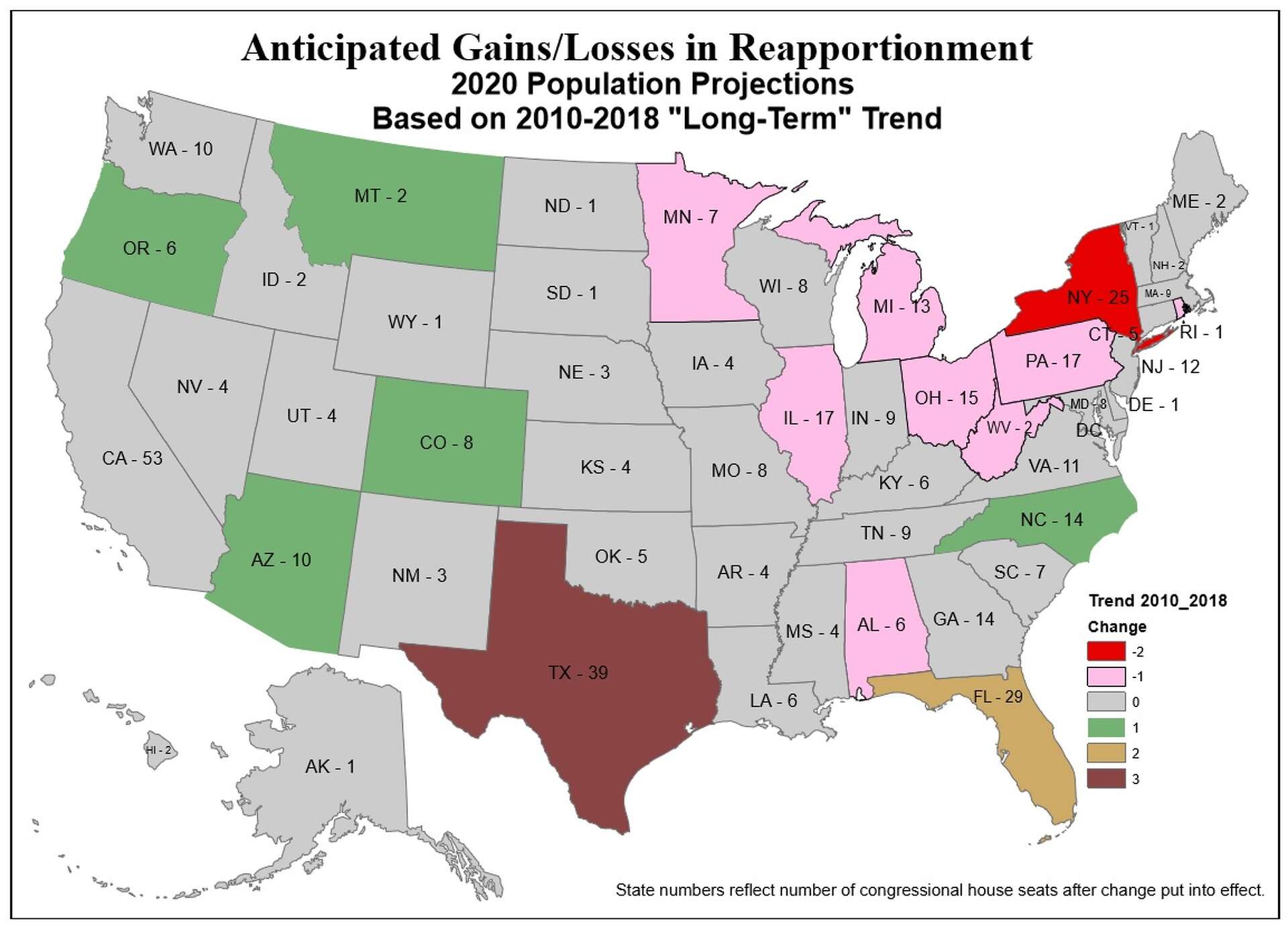
The process of apportionment is a fascinating look at the internal migration of the American populace. For much of the 20th century, New York held the largest number of congressional seats in the nation. In the middle of the 1900s, the state boasted over 40 seats. However, as the population centers in the United States have shifted toward the South and the West, New York has seen its proportional influence wane.
Each time the census data is finalized, Congress recalculates how many seats each state receives. If a state’s population grows slower than the national average, or if residents move to other states like Texas or Florida, that state risks losing congressional districts. This is exactly what has occurred in New York over the last several decades, moving from a high of 45 seats down to the current 26.
The Impact on Local Governance
For those visiting or living in New York, the changing map is more than just a political statistic; it changes the way local communities are represented. Redistricting—the process of redrawing district lines to account for these changes—often sparks intense debate. As lines are shifted, neighborhoods that were once aligned may find themselves split, leading to unique political dynamics that shape the culture and local policy of the state.
Understanding the Role of Congressional Districts
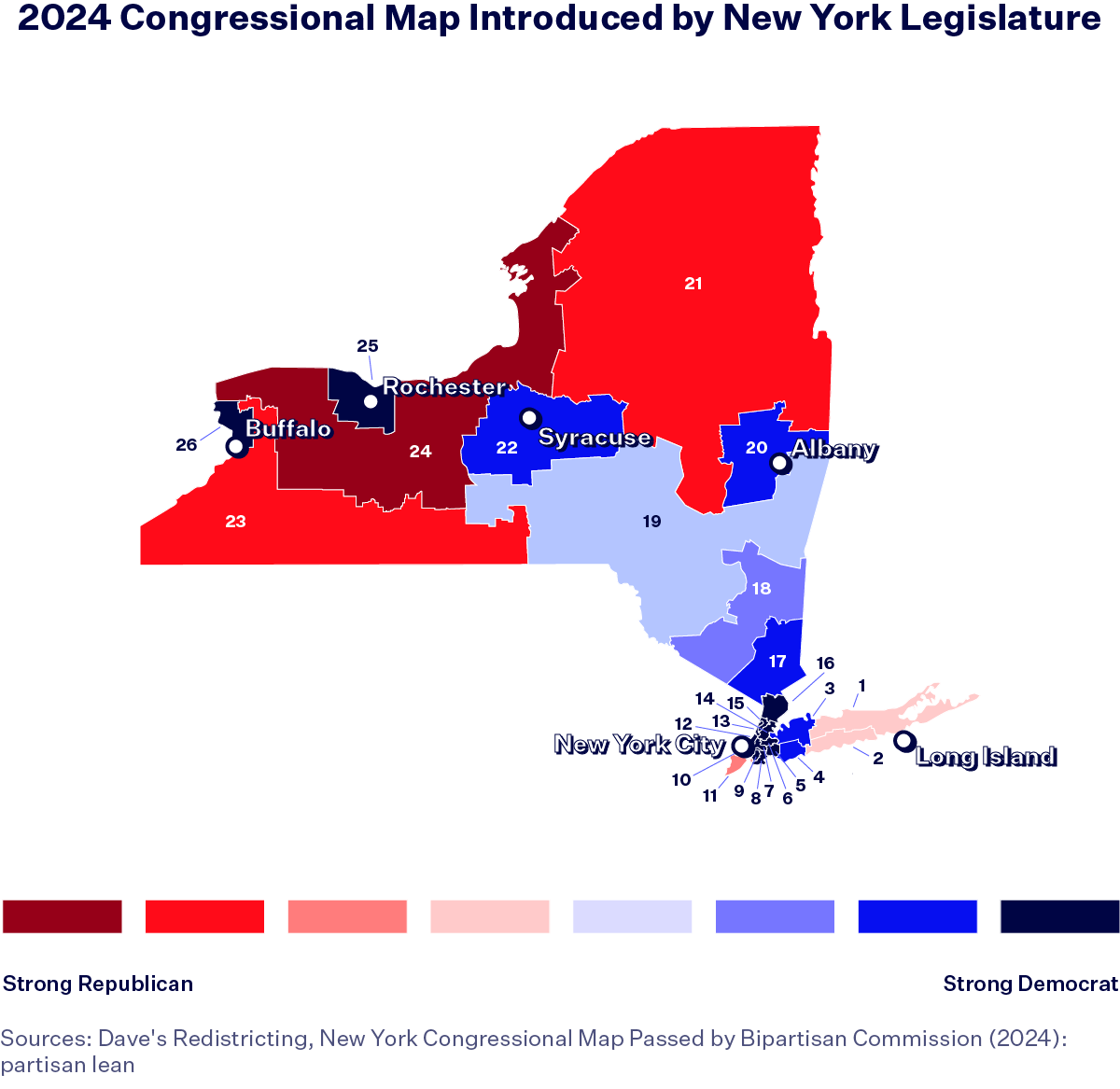
A congressional district is not merely a box on a map. It represents a constituency with unique needs, industries, and cultural identities. Whether one is wandering the historic streets of Albany or exploring the coastal communities of Long Island, they are always standing within the boundaries of a district overseen by a specific representative.
Diverse Interests, One Delegation
The 26 representatives from New York must navigate a state that is incredibly diverse in its needs. The interests of a rural district in Upstate New York often differ significantly from the priorities of an urban district in Brooklyn or Queens.
- Urban Priorities: Representatives in New York City often focus on public transportation funding, urban development, and housing affordability.
- Suburban Needs: Those representing the Hudson Valley or Long Island may prioritize commuter infrastructure, tax relief, and environmental preservation.
- Rural Challenges: Representatives from the more sparsely populated regions focus heavily on agriculture, rural healthcare access, and regional economic stimulation.
This inherent tension is what makes New York politics so complex. The delegation must act as a bridge between the hyper-urban center and the rolling landscapes that define the northern and western parts of the state.
History of Political Influence in the Empire State
New York has long been a heavyweight in American political history. From the early days of the republic, when the state served as a central hub for legislative activity, to the modern era, the influence of its representatives has been undeniable.
From the Founding Era to Modernity
When visitors walk through the historic district of Manhattan, they are walking through the birthplace of much of the American political identity. Many influential figures in the early House of Representatives hailed from New York. Over the generations, the state’s representatives have been instrumental in drafting legislation that touched upon everything from the expansion of trade at the Port of New York to the establishment of labor laws that would eventually become national standards.
Today, even with fewer seats than in the past, New York remains a critical battleground. The 26 representatives possess a collective power that can shift the tide of national debates. Because the state is so economically vital to the United States, these congressmen are often positioned in key leadership roles within the House committees, ensuring that the voice of the Empire State is heard at the highest levels of federal governance.

Engagement and the Civic Journey
For the citizen or the curious traveler, understanding the political landscape adds a layer of depth to the experience of the state. Knowing that you are moving through a district represented by a specific member of Congress highlights the connection between the ground-level reality of the United States and the legislative work happening in Washington, D.C.
While the number of congressmen may fluctuate with each census, the stature of the state remains firm. Whether or not you are a resident, the politics of New York will continue to impact the broader national narrative. The 26 seats currently held by the state serve as a testament to its enduring role as a central pillar of American society, culture, and governance. As the state moves forward, the shifting demographics and the ongoing dialogue between the urban centers and rural reaches will continue to inform the number, the map, and the influence of New York’s delegation for years to come.
LifeOutOfTheBox is a participant in the Amazon Services LLC Associates Program, an affiliate advertising program designed to provide a means for sites to earn advertising fees by advertising and linking to Amazon.com. Amazon, the Amazon logo, AmazonSupply, and the AmazonSupply logo are trademarks of Amazon.com, Inc. or its affiliates. As an Amazon Associate we earn affiliate commissions from qualifying purchases.