
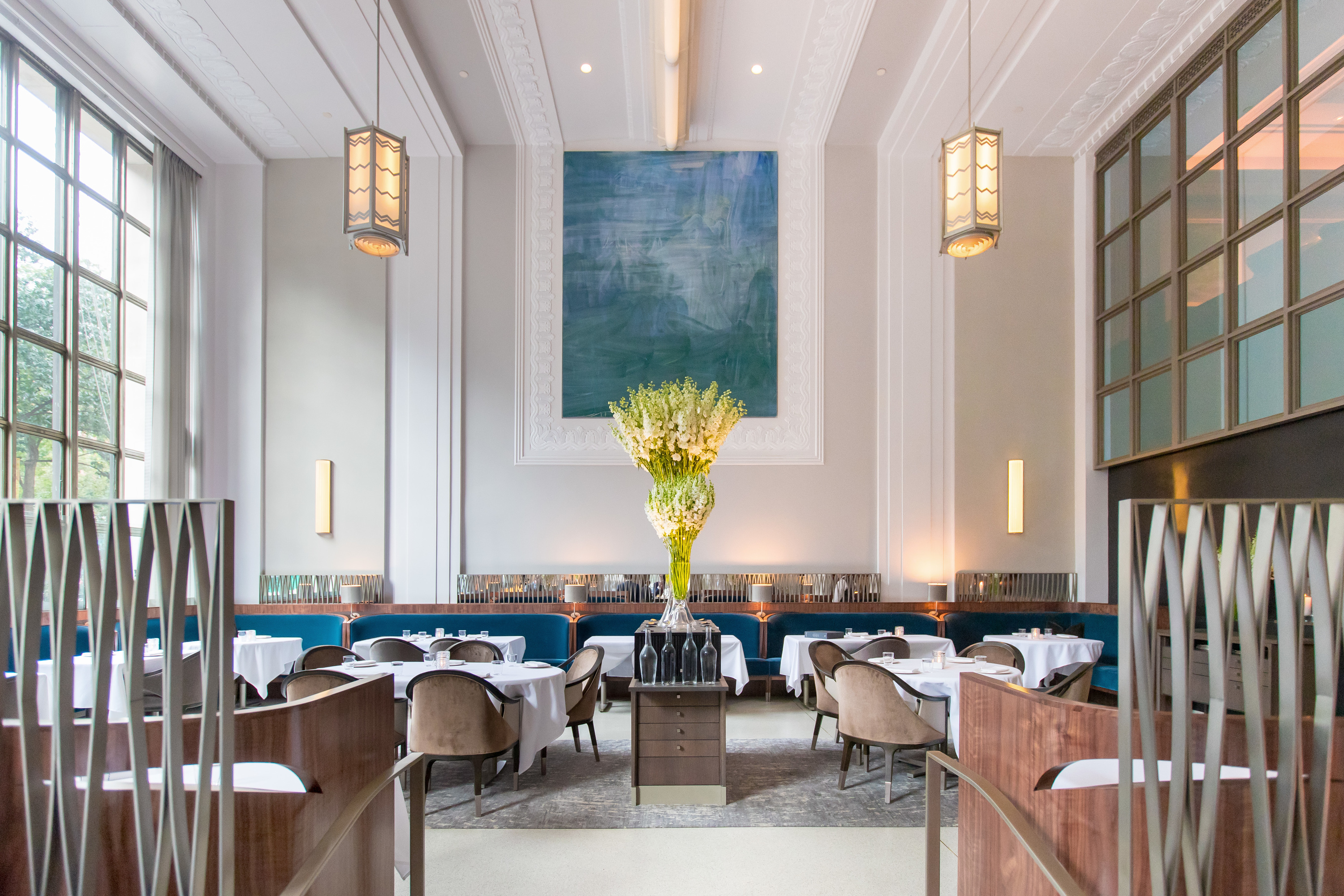
The culinary landscape of New York is a sprawling, restless, and deeply ambitious ecosystem that mirrors the city itself. For gastronomes and casual diners alike, the mention of a Michelin star carries an almost mythical weight. It signals not just a meal, but an orchestrated performance of technique, sourcing, and hospitality. In the most recent edition of the Michelin Guide, the Big Apple remains one of the most concentrated hubs of high-end dining in the world, boasting dozens of starred establishments that span everything from quiet, minimalist sushi counters to opulent French dining rooms.
The Numerical Landscape of New York Dining
As of the latest publication, New York City features well over 70 restaurants that have earned the coveted Michelin star distinction. While these numbers fluctuate slightly year-to-year as inspectors conduct their anonymous rounds, the city consistently maintains its status as the premier dining destination in the United States.
Understanding the Star Hierarchy
The Michelin system is notoriously rigorous, and in a city as competitive as Manhattan, the distribution of stars highlights the diversity of culinary talent:
- One Star: Awarded to establishments that offer high-quality cooking that is “worth a stop.” These restaurants often represent a broad spectrum of cultural influences, ranging from contemporary American cuisine to refined Japanese omakase.
- Two Stars: These restaurants offer “excellent cooking, worth a detour.” Here, the chefs have demonstrated a signature style and a consistency that elevates the dining experience beyond the ordinary.
- Three Stars: The pinnacle of the guide, signifying “exceptional cuisine, worth a special journey.” In New York, these are the heavy hitters—institutions that have come to define modern fine dining.
The Density of Talent
What makes the New York scene unique is not just the total count, but the density of global influence. You might find a three-star French establishment located just a few subway stops away from a one-star Korean tasting menu that utilizes local Hudson Valley produce. This cultural synthesis is the engine that keeps the city’s culinary reputation at the forefront of global travel and tourism.
Iconic Three-Star Destinations
For those traveling to New York specifically to experience the zenith of gastronomy, the three-star establishments are the primary draw. These restaurants represent years of refinement and an uncompromising commitment to excellence.
The Standard-Bearers of Fine Dining
Le Bernardin, led by the legendary Eric Ripert, has long been the gold standard for seafood-centric fine dining. Its ability to maintain top-tier status while evolving its menu demonstrates the stability that defines the best of the city’s hospitality sector. Similarly, Per Se offers a meticulously choreographed experience overlooking Columbus Circle, acting as a beacon of high-end, classic Continental technique.

Innovation Over Tradition
While some three-star institutions rely on classic foundations, others have forged their reputation through constant innovation. Eleven Madison Park has made headlines for its bold transition to a plant-based menu, challenging the traditional definition of luxury. This willingness to adapt is what keeps the New York dining scene vibrant and worthy of repeated visits. Visitors looking to book these tables should plan months in advance, as they remain some of the most sought-after reservations in the world.
Navigating the One and Two-Star Tiers
While the three-star spots capture the headlines, the true heartbeat of the city’s culinary scene lies in the one and two-star categories. This is where you find the culinary “hidden gems” that define the unique character of local neighborhoods.
Neighborhood Gems and Cultural Enclaves
In neighborhoods like Brooklyn and Queens, the Michelin stars often highlight the city’s rich immigrant history. You might find a Michelin-starred Mexican spot in a bustling corridor or an intimate Scandinavian eatery that emphasizes seasonal foraging. These restaurants are often smaller, more intimate, and offer a more accessible entry point to high-level gastronomy than their larger, more formal counterparts in Midtown.
The “Worth a Detour” Experience
Two-star restaurants like Atomix or Aquavit offer a perfect middle ground. They provide an elevated experience that feels more modern and, at times, more daring than the traditional three-star venues. These locations are essential for travelers who want to feel like they are eating at the “cutting edge” of modern American food.
Tips for the Culinary Traveler
Planning a gastronomic tour of New York requires more than just an appetite; it requires a strategy. The competition for tables is fierce, and local tourism protocols have shifted significantly over the last few years.
Reservation Strategies
- Use Dedicated Platforms: Most Michelin-starred restaurants in New York utilize platforms like Resy or OpenTable. Set alerts and understand the drop-times for reservations, which often occur at midnight or mid-morning.
- Weekday Dining: If you have flexibility, aim for a Tuesday or Wednesday night. It is significantly easier to secure a table at a one-star establishment mid-week than it is on a weekend in Manhattan.
- Lunch vs. Dinner: Several top-tier restaurants offer abbreviated lunch menus. This is a brilliant way to experience a star-caliber kitchen at a fraction of the cost and with much higher reservation availability.
Dressing the Part
While New York has become increasingly casual, a Michelin-starred dinner is still a special occasion. Most three-star establishments will expect smart-casual to business-formal attire. Check the individual restaurant’s policy before visiting to ensure you feel comfortable and appropriate for the environment.
The Role of the Concierge
If you are staying at a luxury property like the St. Regis New York or the Carlyle, leverage your hotel concierge. They often have established relationships with maitre d’s and can occasionally assist in securing hard-to-get tables, a service that adds immense value to your stay.
The Michelin guide to New York is a testament to the city’s resilience and creative energy. Whether you are hunting for the perfect tasting menu or simply want to experience the best of what the city has to offer, the starred restaurants are not just places to eat; they are vital cultural touchstones. By understanding the breadth of these offerings, you can curate a visit that is as diverse and exciting as the city itself. From the bustling kitchens of Tribeca to the refined dining rooms of the Upper East Side, the culinary journey in New York is truly without equal.
LifeOutOfTheBox is a participant in the Amazon Services LLC Associates Program, an affiliate advertising program designed to provide a means for sites to earn advertising fees by advertising and linking to Amazon.com. Amazon, the Amazon logo, AmazonSupply, and the AmazonSupply logo are trademarks of Amazon.com, Inc. or its affiliates. As an Amazon Associate we earn affiliate commissions from qualifying purchases.