
The journey from the Atlantic coast to the Pacific represents the quintessential American odyssey. Spanning the vast breadth of the United States, the trek from New York to Los Angeles is a rite of passage for many travelers, whether they are traversing the sky in a matter of hours or embarking on a multi-day road adventure across the heartland. Understanding the mileage and the logistics of this transcontinental path is the first step toward planning an unforgettable experience.
Measuring the Distance: Aerial vs. Ground Miles
When asking how many miles separate these two iconic metropolises, the answer depends entirely on your mode of transport. The physical distance between the two cities is vast, reflecting the sheer scale of the North American continent.

The Great Circle Route
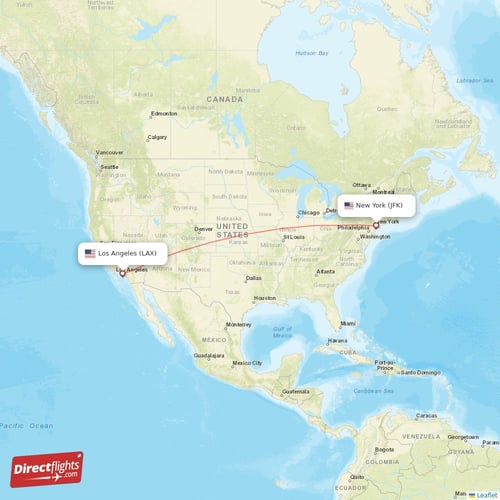
If you are traveling by air, the flight path follows what is known as the Great Circle route. Because the Earth is a sphere, the shortest distance between two points is a curve rather than a straight line on a flat map. When flying from John F. Kennedy International Airport to Los Angeles International Airport, the aerial distance is approximately 2,475 miles.
This journey typically takes between five and six hours, depending on prevailing winds. Jet streams moving west to east often result in shorter flight times when returning to the East Coast, while westward flights against the wind may feel marginally longer.
The Transcontinental Road Trip
For those choosing to drive, the distance is significantly longer. A standard route, such as taking Interstate 80 or Interstate 40, covers roughly 2,800 to 3,000 miles. This variation depends on the specific highway path taken and the number of detours made to visit regional landmarks. A direct drive with minimal stops usually requires about 40 to 45 hours of pure driving time, though most travelers stretch this journey over five to seven days to truly appreciate the landscape.
Planning the Cross-Country Road Trip
Embarking on a road trip from New York City to the West Coast is a journey through changing climates, topographies, and cultures. Preparing for a trip of nearly 3,000 miles requires meticulous planning regarding vehicle maintenance and route selection.
Choosing Your Corridor
The northern route, primarily following Interstate 80, takes travelers through the industrial hubs of the Midwest and eventually across the majestic Rocky Mountains. This path is popular in the warmer months but can be treacherous during winter due to heavy snowfall in states like Wyoming and Nebraska.
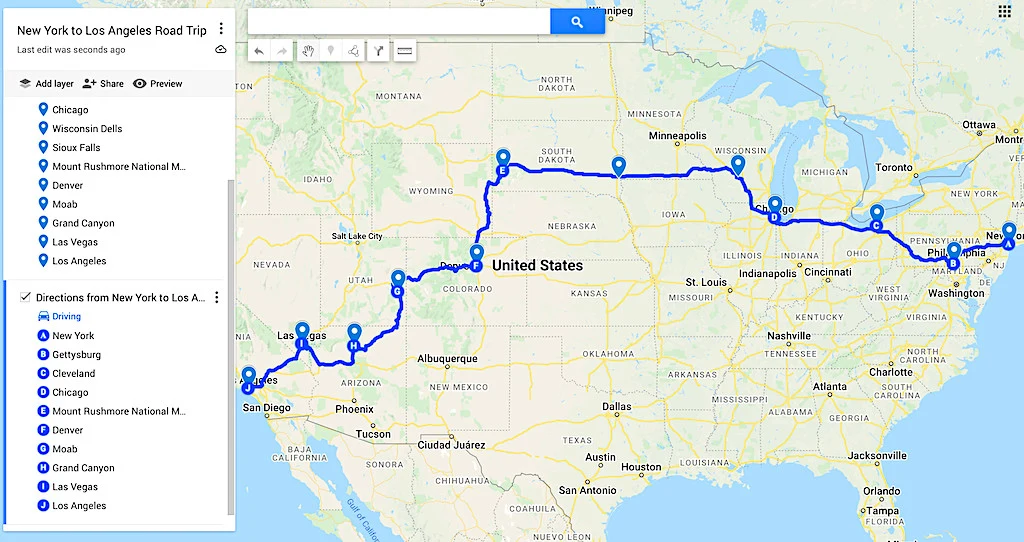
Alternatively, the southern route—often utilizing Interstate 40—follows the historical path of Route 66. This route offers a quintessential Americana experience, passing through the Ozark Mountains, the plains of Oklahoma, and the red rock deserts of Arizona. This is generally considered the most scenic option for those interested in roadside kitsch, vintage diners, and dramatic geological formations.
Essential Road Trip Logistics
Regardless of the chosen path, long-distance driving demands specific preparations:
- Vehicle Inspection: Check tires, fluids, and brakes, as mountain passes and desert heat will put significant strain on your car.
- Emergency Kits: Ensure you have a spare tire, jumper cables, and a first aid kit, especially for remote stretches through Nevada or Utah.
- Digital Connectivity: While GPS is essential, physical maps are recommended for areas where cellular service is unreliable, particularly in the vast stretches of the American West.
Iconic Stops Along the Way
The beauty of a transcontinental journey lies in the ability to break up the thousands of miles with visits to some of the most profound natural and man-made wonders in the world.
Mid-Country Landmarks
As you leave the urban density of the East Coast, the Appalachian Mountains provide the first major topographical shift. Moving further west, Chicago serves as a popular midway stop, offering a transition from the East to the heartland. Further along, the Gateway Arch in St. Louis stands as a monument to the pioneers who once traversed these same miles on foot and horseback.
The Western Wonders
As you approach the latter third of the journey, the landscape shifts into the high desert and mountains. Many travelers take a detour from their primary route to visit the Grand Canyon. This natural wonder is one of the most accessible yet breathtaking deviations for those driving toward Southern California.
Continuing westward, the transition into the Mojave Desert marks the final stretch. As you approach California, the urban sprawl of the greater Los Angeles area emerges, representing the culmination of thousands of miles of American exploration.
Cultural and Economic Impact of the Distance
The vast distance between New York and Los Angeles is not merely a geographic measurement; it is a cultural divide that has shaped the history of the United States.
The Influence of Transit
Historically, the effort required to span these miles dictated the speed at which ideas, goods, and cultures traveled. The development of the transcontinental railroad in the 19th century and the interstate highway system in the 20th century were instrumental in unifying a nation separated by thousands of miles of wilderness. Today, the ability to bridge these 2,800 miles in either five hours or five days is a testament to modern engineering and the accessibility of travel.
The Traveler’s Perspective
For the modern traveler, the distance serves as a buffer. The change in environment—from the dense, vertical architecture of Manhattan to the sprawling, sun-drenched landscape of the Pacific Coast—is a reminder of the sheer diversity found within a single country. Whether one chooses to fly over the continent or immerse themselves in the miles of asphalt that connect the coasts, the journey from New York to Los Angeles remains one of the world’s most significant travel experiences. By understanding the mileage and the terrain, one can transform a simple transit from A to B into a meaningful exploration of the American landscape.
LifeOutOfTheBox is a participant in the Amazon Services LLC Associates Program, an affiliate advertising program designed to provide a means for sites to earn advertising fees by advertising and linking to Amazon.com. Amazon, the Amazon logo, AmazonSupply, and the AmazonSupply logo are trademarks of Amazon.com, Inc. or its affiliates. As an Amazon Associate we earn affiliate commissions from qualifying purchases.