
New York City has long been regarded as the global epicenter of wealth, ambition, and high-stakes finance. As a primary hub for international business and a magnet for the world’s ultra-high-net-worth individuals, New York City consistently ranks at the top of global luxury lifestyle indices. Understanding the concentration of wealth in this metropolis provides a fascinating glimpse into the luxury ecosystem that defines the city’s character. Whether you are visiting for the opulence of Fifth Avenue or analyzing the demographic trends of Manhattan, the presence of millionaires influences everything from the real estate market to the high-end dining scene.

The Financial Landscape of the Five Boroughs
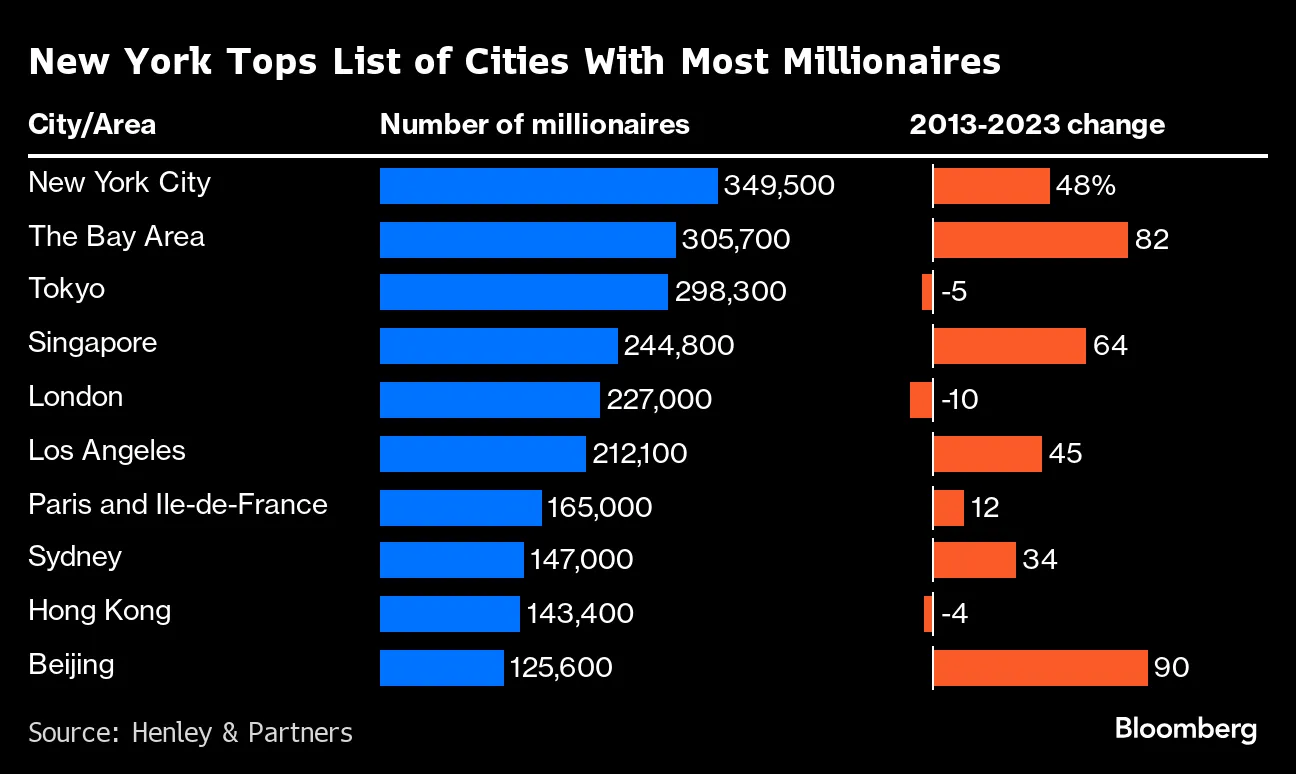
The concentration of wealth in New York City is not distributed evenly, creating distinct pockets of extreme affluence. Recent data suggests that the city is home to over 340,000 millionaires, a figure that solidifies its status as the wealthiest city in the world. This demographic distribution drives the lifestyle offerings that define the United States luxury sector.
The Concentration of Wealth in Manhattan
Manhattan remains the primary residence for the vast majority of the city’s high-net-worth individuals. Neighborhoods such as the Upper East Side, Tribeca, and SoHo serve as the backdrops for this immense wealth. The architecture here, ranging from historic brownstones to ultra-modern glass towers, reflects a lifestyle that values privacy, convenience, and proximity to global financial institutions.
Wealth Migration and New Neighborhoods
While Manhattan retains its crown, other areas in New York City have seen a surge in wealthy residents. Brooklyn, particularly areas like DUMBO and Williamsburg, has attracted a new generation of entrepreneurs and creative millionaires. This shift highlights a changing dynamic in what constitutes a luxury lifestyle—moving away from traditional gilded-age expectations toward a more modern, lifestyle-focused aesthetic.
Luxury Lifestyle as a Tourist Driver
For many, the allure of New York City lies in the ability to experience a sliver of this luxury lifestyle. The city’s infrastructure for the affluent is unparalleled, catering to those who want to see how the “other half” lives. From private tours of the Metropolitan Museum of Art to exclusive access to rooftop lounges, the influence of the local millionaire class is felt across the tourism industry.
High-End Retail and Consumption
The retail culture in New York City is a direct response to its millionaire population. The legendary stores along Madison Avenue cater to clients who view shopping as an experiential event. This environment benefits not only residents but also visitors who flock to these districts to indulge in the world’s most exclusive brands, high-fashion boutiques, and bespoke services that are rarely found in other parts of the North America region.
The Gastronomic Standard
Culinary excellence in New York City is bolstered by a clientele that demands the highest quality ingredients and service. Michelin-starred establishments in Chelsea and Midtown are often packed with high-net-worth individuals, setting the bar for what tourists can expect when they visit. The intersection of wealth and culture has made the city a playground for food enthusiasts, where dining is frequently synonymous with status and sensory exploration.
Real Estate and the Architecture of Wealth
The physical footprint of millionaires in New York City is best seen through its skyline. Architecture has become a status symbol, with iconic buildings serving as vertical residences for the world’s elite. For the casual observer or the architectural enthusiast, these landmarks provide a visual history of the city’s economic power.
Skyscrapers as Lifestyle Statements
Buildings along Central Park South, often referred to as “Billionaires’ Row,” represent the pinnacle of residential luxury. These skyscrapers are not merely places to live; they are masterclasses in engineering and interior design. They serve as a destination unto themselves, drawing visitors who want to photograph the changing New York City skyline, which now features some of the tallest and thinnest residential buildings ever constructed.
Historic Preservation and Modern Living
While new glass towers dominate headlines, the millionaires of New York City also hold a deep appreciation for history. The preservation of landmarked districts in Greenwich Village and Brooklyn Heights proves that luxury often lies in the marriage of heritage architecture and cutting-edge amenities. For the discerning traveler, staying in or visiting these historic pockets offers a more authentic, albeit expensive, perspective on the city’s evolution.
The Business of Being an Elite Tourist
For those who travel to New York City with the intent of mirroring the lifestyle of its wealthiest inhabitants, the logistics require careful planning. The infrastructure for “luxury tourism” is highly developed, encompassing private aviation, chauffeur services, and ultra-premium hospitality.
The Role of Hospitality
The city’s finest hotels are designed specifically to cater to those accustomed to the highest standards of living. Establishments like the St. Regis New York or the The Plaza Hotel provide an immersive environment where one can feel the pulse of the city’s high-net-worth culture. These locations are more than just places to sleep; they are historical institutions that have hosted, and continue to host, the titans of industry and society.

Cultural Capital and Exclusive Access
Beyond physical comfort, the modern millionaire seeks cultural capital. Membership clubs and private tours of galleries in Chelsea allow visitors to bypass the standard tourist queues and experience the city from an insider’s vantage point. Whether it is an after-hours viewing at the Museum of Modern Art or a private table at a hidden speak-easy in Lower East Side, the goal is always the same: an elevated, personalized experience that speaks to the uniqueness of New York City.
Ultimately, while the exact number of millionaires may fluctuate with the volatility of the global economy, their influence on the city remains constant. They shape the skyline, drive the culinary trends, and define the standards of excellence that make New York City a perpetual point of interest for the entire world. For the observer and the traveler alike, understanding this wealth is key to truly grasping the heartbeat of the Global North premier financial capital. As the city continues to attract global talent and capital, the landscape of luxury will continue to evolve, ensuring that New York City remains the benchmark for aspiration and high-end living for decades to come.
LifeOutOfTheBox is a participant in the Amazon Services LLC Associates Program, an affiliate advertising program designed to provide a means for sites to earn advertising fees by advertising and linking to Amazon.com. Amazon, the Amazon logo, AmazonSupply, and the AmazonSupply logo are trademarks of Amazon.com, Inc. or its affiliates. As an Amazon Associate we earn affiliate commissions from qualifying purchases.