
The cultural tapestry of New York City is defined by its unparalleled diversity, serving as a global crossroads where people from every corner of the map converge. Among the many vibrant communities that contribute to the city’s identity, the Muslim population stands out as a significant, historical, and deeply integrated demographic. Understanding the presence of this community provides a fascinating lens through which to view the local culture, culinary landscape, and neighborhood evolution of the five boroughs.
Estimating the Muslim Presence in the Five Boroughs
Determining an exact headcount for any religious or ethnic group in a city as fluid as New York City is a complex sociological undertaking. Because the United States Census does not track religious affiliation, researchers rely on data from organizations like the Pew Research Center and independent demographic studies to provide a clearer picture.
Current Demographic Estimates
Current estimates suggest that there are approximately 600,000 to 750,000 Muslims living within the New York City metropolitan area. This figure represents one of the largest concentrations of Muslims in the entire United States. This population is not monolithic; rather, it is a mosaic consisting of individuals from South Asia, the Middle East, Africa, and the Balkans, as well as a significant population of African American Muslims who have deep roots in the city’s urban history.
Distribution Across Boroughs
While Muslim communities can be found in every corner of the city, certain boroughs serve as traditional hubs. Brooklyn and Queens host the densest concentrations. In Queens, neighborhoods such as Astoria and Jackson Heights are known for their high density of immigrant populations from Muslim-majority countries. Similarly, Brooklyn features robust communities in areas like Bay Ridge and Flatbush, where the influence of these cultures is reflected in local commerce and social infrastructure.
The Cultural Impact on Local Tourism and Lifestyle
The influence of the Muslim population on the local culture is perhaps most visible through the city’s culinary scene. For those visiting New York City, exploring these neighborhoods offers an authentic experience that goes beyond the standard tourist tracks.
Culinary Landmarks and Street Food
The intersection of faith and food is a hallmark of the Muslim influence in New York City. The proliferation of Halal food carts—an iconic staple of the urban landscape—has transformed how tourists and locals alike experience street food. Beyond the carts, districts like Astoria offer an incredible array of authentic Middle Eastern and South Asian eateries. Dining at these establishments is not just a meal; it is a gateway to understanding the heritage of the people who have built these communities.
When visiting, travelers often find themselves enjoying dishes like falafel, kebabs, and biryani, which are prepared with traditional spices and techniques passed down through generations. These culinary hotspots have become unofficial landmarks of the city’s immigrant experience, drawing food enthusiasts from all over the world.

Social Centers and Community Life
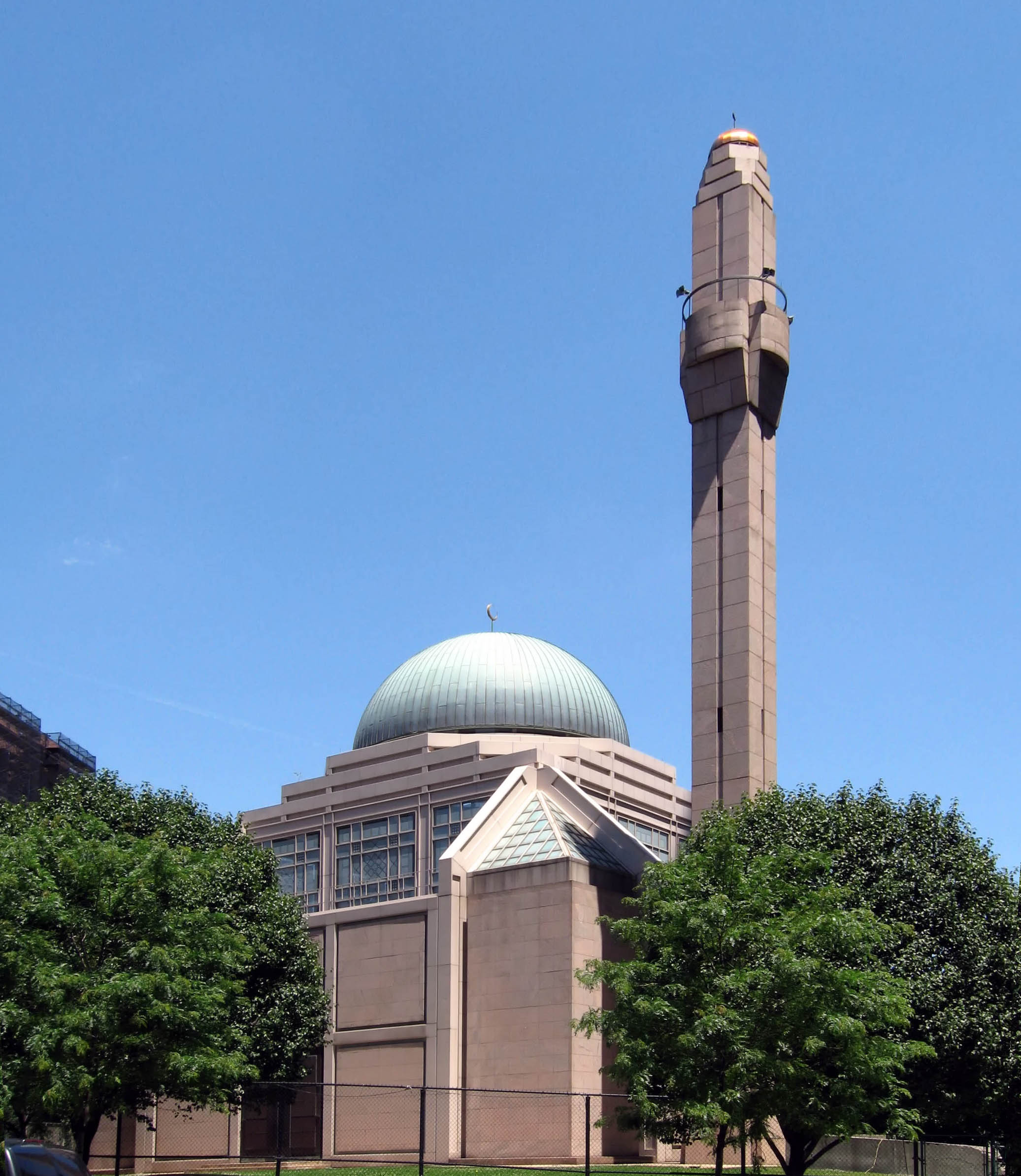
Mosques and Islamic community centers serve as more than just places of worship; they are vital community hubs. Locations such as the Islamic Cultural Center of New York on the Upper East Side stand as architectural landmarks that reflect the aesthetic traditions of the faith. These centers often host community events, educational programs, and open-house initiatives that allow the public to engage with Islamic art, history, and theology. Engaging with these spaces provides visitors with a broader understanding of the diversity inherent in New York City.
Experiencing the Diversity of Local Neighborhoods
For the curious traveler, the best way to appreciate the scope of the Muslim community is by immersing oneself in the neighborhoods where these populations thrive. Each area offers a unique atmosphere and a different slice of the global Muslim experience.
Exploring the Streets of Queens
Queens is arguably the most ethnically diverse place on the planet, and its Muslim enclaves are a testament to this status. Walking through Jackson Heights, one encounters a sensory explosion of international signs, markets, and boutiques. It is a place where one can buy fabrics, spices, and traditional clothing from Pakistan, Bangladesh, or Egypt. This vibrant street culture is a major component of the New York City tourism experience for those looking for genuine, unscripted human connection.
The Historic Roots in Brooklyn
Brooklyn offers a different perspective, often focusing on the established immigrant communities that have settled in the borough over several decades. Bay Ridge is particularly notable for its strong Palestinian and Yemeni communities. The neighborhood provides a quiet, community-focused feel that contrasts with the fast pace of Manhattan. For tourists staying in Brooklyn, a stroll through these corridors reveals the intimate, daily life of families, local shopkeepers, and students who make up the fabric of the local Muslim demographic.
Tips for Cultural Engagement
When visiting neighborhoods with significant Muslim populations, travelers can enhance their experience by practicing respectful curiosity and engagement.
Engaging with Local Traditions
- Respectful Observation: When visiting areas surrounding mosques or community centers, maintain a respectful demeanor, especially during times of prayer.
- Support Local Business: The most effective way to engage with the culture is to patronize family-owned businesses. Whether it is a small bakery, a spice shop, or a restaurant, your support helps maintain the economic health of these vibrant communities.
- Attend Cultural Festivals: Throughout the year, various neighborhoods host events celebrating Eid or other cultural milestones. These are excellent opportunities for visitors to experience the hospitality and traditions of the community firsthand.

The Role of Education and Travel
The presence of hundreds of thousands of Muslims in New York City serves as a reminder that the city is not just a destination for sightseeing, but a living, breathing laboratory of global culture. By recognizing and learning about these demographics, tourists can move beyond the surface level of skyscrapers and landmarks. Instead, they gain a deeper appreciation for the complex, multifaceted reality of life in the United States.
Ultimately, the Muslim community in New York City is a fundamental pillar of the city’s social, economic, and cultural success. From the bustling streets of Queens to the historic blocks of Brooklyn, the influence of these residents continues to shape the future of the metropolis. For the traveler, this offers a unique opportunity to witness how different traditions blend to create a new, distinctly New York identity. Whether you are tasting authentic regional cuisine or admiring the intricate architecture of local centers, the experience of exploring these communities is an essential part of understanding what makes New York City truly unique.
LifeOutOfTheBox is a participant in the Amazon Services LLC Associates Program, an affiliate advertising program designed to provide a means for sites to earn advertising fees by advertising and linking to Amazon.com. Amazon, the Amazon logo, AmazonSupply, and the AmazonSupply logo are trademarks of Amazon.com, Inc. or its affiliates. As an Amazon Associate we earn affiliate commissions from qualifying purchases.