
The TCS New York City Marathon stands as a monumental pillar in the global running calendar. Each year, thousands of athletes from across the globe converge upon the five boroughs of New York City, turning the streets into a sprawling tapestry of human endurance, ambition, and community spirit. For those considering the race, whether as a hopeful participant or a curious observer, understanding the sheer scale of the event is essential to grasping its cultural significance.
The Magnitude of the Field: Participant Statistics
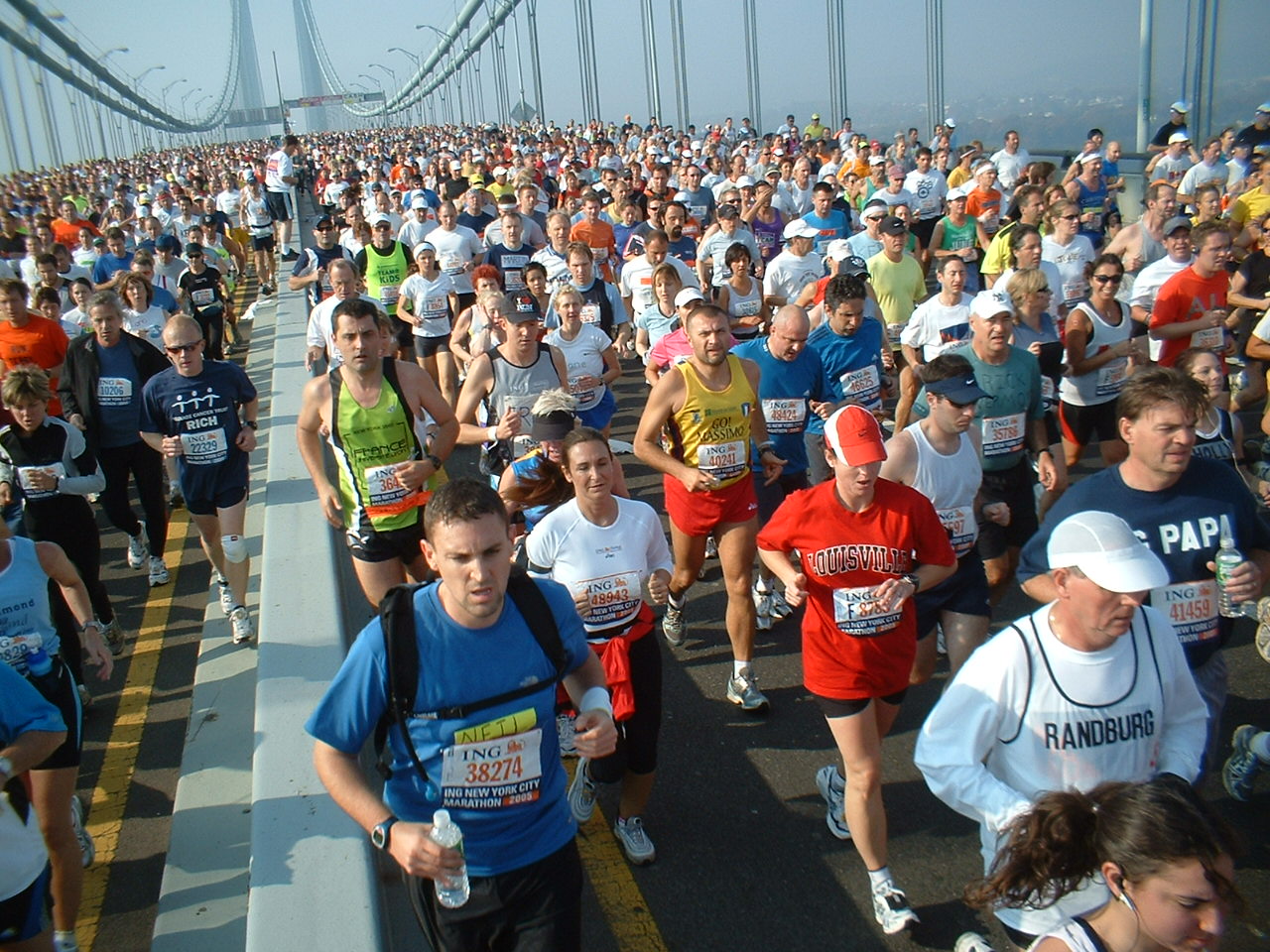
Every November, the energy in New York reaches a fever pitch as the marathon kicks off. The race is famously one of the largest in the world, consistently hosting between 50,000 and 55,000 finishers annually. This massive turnout is carefully managed to ensure the safety and success of everyone involved, from elite professionals to casual joggers completing their first race.
Evolution of Runner Capacity
In its inaugural year in 1970, the event was a humble affair held entirely within Central Park, with only 127 registered entrants and 55 finishers. Over the decades, the race outgrew its park confines, expanding in 1976 to span all five boroughs: Staten Island, Brooklyn, Queens, The Bronx, and Manhattan. This expansion allowed the capacity to swell, eventually reaching the tens of thousands that define the modern era of the race.
Qualifying and Entry Requirements
The logistics of hosting over 50,000 runners are immense. Because demand far exceeds supply, the entry process is highly competitive. Many runners gain access through a guaranteed entry process by meeting specific time standards in other marathons, participating in the “9+1” program for New York Road Runners members, or by running for charity partners. The global lottery system also accounts for a significant portion of the field, creating a diverse demographic of runners from over 140 countries.
The Geographical Impact of the Race
The New York City Marathon is more than just a 26.2-mile trek; it is a transformative event that temporarily alters the geography of The United States. The sheer number of runners dictates the movement of millions of people throughout the city, from the early morning assembly at the Verrazzano-Narrows Bridge to the final jubilant steps near the Tavern on the Green.
The Five Borough Experience
The route is designed to showcase the diversity of the city. Starting on Staten Island, the sea of runners crosses the iconic bridge into Brooklyn. As they traverse the neighborhoods of Williamsburg and Greenpoint, the crowd density—both of runners and cheering spectators—is unparalleled. The race then winds through Queens via the Pulaski Bridge before crossing the Queensboro Bridge into Manhattan.

Infrastructure and Support
Hosting 50,000+ runners requires an army of volunteers and thousands of security personnel. Water stations, medical tents, and portable restroom facilities are distributed strategically along the course, particularly in The Bronx and Central Park, where fatigue sets in for many. The race organization works closely with the New York City Police Department to manage traffic and crowd control, ensuring that the runners remain the focal point of the day.
The Cultural Significance of Participation
Why do so many runners choose the New York City Marathon? The answer lies in the unique atmosphere that defines the event. It is often cited as the most supportive marathon in the world, with millions of spectators lining the streets.
The Power of the Crowd
Unlike smaller marathons that might offer solitude, the New York City Marathon is a wall of sound. Residents from Harlem, the Upper East Side, and beyond flood the sidewalks to offer encouragement. For the 50,000 runners, this constant feedback loop of energy is often the deciding factor in pushing through “the wall” at mile 20. The cultural melting pot of New York is reflected in the runners themselves—a mix of elite international athletes, local heroes, and everyday people fulfilling life-long dreams.
Economic and Social Impact
The marathon generates millions in economic activity for New York City, filling local hotels, restaurants, and shops. It serves as a showcase for the city’s resilience and hospitality. Beyond the economics, the event has become a symbol of community, with participants often running for causes that resonate deeply with the spirit of America. Many runners dedicate their effort to charitable organizations, raising millions of dollars annually while navigating the course.
Planning for the Future: What Prospective Runners Need to Know
For those aiming to join the ranks of the 50,000+ participants, preparation begins long before the starting gun fires. The sheer volume of runners means that early training and logistics are paramount.
Navigating the Logistics
Successful participation requires careful planning regarding accommodation. Hotels near the Central Park South finish line or along the race route in Brooklyn often sell out months in advance. Many athletes opt to stay in Midtown Manhattan or Long Island City to ensure easier access to the race-day transport shuttles.

Tips for a Seamless Experience
- Understand the Wave Starts: With 50,000+ runners, the race is divided into waves. Knowing your start time and corral assignment is critical to avoid unnecessary stress on the morning of the race.
- Transportation: The start line on Staten Island is accessible only by specific event transportation. Planning your commute from Manhattan or New Jersey requires waking up in the early hours of the morning.
- Training in Urban Environments: Since the marathon takes place on hard city streets, training on similar surfaces—as opposed to just treadmill running—is vital for injury prevention.
- Nutrition and Hydration: With the density of the race, grabbing fluids at the stations can be chaotic. Familiarize yourself with the layout and practice your mid-race refueling strategy under race-like conditions.
The New York City Marathon remains a bucket-list achievement. Whether you are one of the 50,000 runners crossing the finish line or one of the millions cheering from the sidelines, the event is a testament to the power of human connection, the endurance of the body, and the enduring energy of New York City. As the marathon continues to grow, it reaffirms its position as the pinnacle of global road racing, inviting the world to witness a day where every runner becomes a part of the city’s storied history.
LifeOutOfTheBox is a participant in the Amazon Services LLC Associates Program, an affiliate advertising program designed to provide a means for sites to earn advertising fees by advertising and linking to Amazon.com. Amazon, the Amazon logo, AmazonSupply, and the AmazonSupply logo are trademarks of Amazon.com, Inc. or its affiliates. As an Amazon Associate we earn affiliate commissions from qualifying purchases.