
Understanding the demographic landscape of New York requires a nuanced approach to the social and cultural forces that shape the city. As a global hub for migration, the city’s population figures are as dynamic as its neighborhoods. While official census data provides a baseline, researchers often look to secondary estimates to understand the full picture of the undocumented population residing within the five boroughs.
Navigating the Demographic Landscape of New York
The demographic composition of New York City is defined by its long history as a gateway for international arrivals. Estimating the exact number of undocumented residents is an exercise in data synthesis, utilizing information from the U.S. Census Bureau, labor statistics, and independent migration studies.

Defining the Population
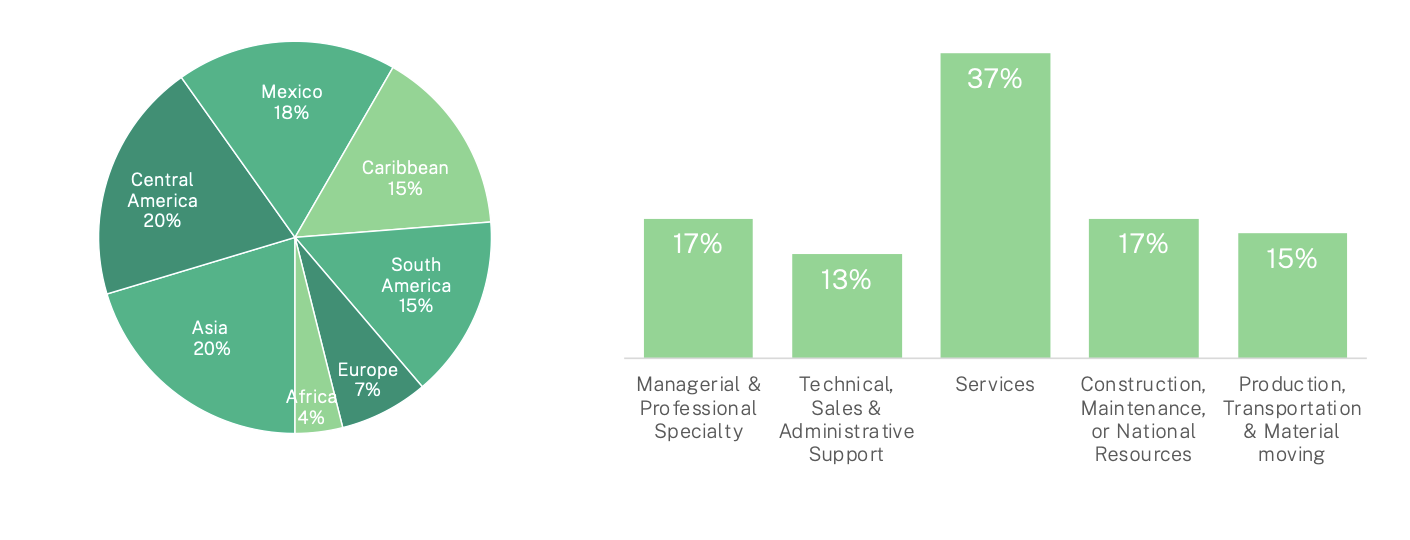
It is essential to understand that “undocumented” refers to individuals living in the United States without legal immigration status. In the context of a city like New York, this population is highly integrated into the local economy, contributing to everything from the bustling restaurant scene to construction and domestic services. The density of these populations often clusters in specific regions, such as Queens or parts of Brooklyn, where immigrant networks provide essential community support.
The Methodology of Estimation
Independent policy institutes, such as the Pew Research Center, employ a “residual methodology.” This involves subtracting the number of legal immigrants and citizens from the total foreign-born population. Because this methodology relies on self-reported data, the numbers are often treated as educated estimates rather than precise tallies. In New York, the estimate typically hovers around 500,000, though this fluctuates based on regional economic factors and global migratory trends.
The Cultural and Social Impact on Local Life
The presence of a large immigrant population—documented or otherwise—is a primary driver of the cultural vitality that makes New York City a world-class destination. The synthesis of global traditions, languages, and culinary practices within the city’s neighborhoods is what defines the “New York experience.”
Culinary Diversity and Neighborhoods
If you walk through Jackson Heights or Sunset Park, the impact of these global communities is immediately visible. The authentic street food, local groceries, and specialized markets are reflections of the diverse origins of the city’s inhabitants. For travelers interested in the authentic New York experience, these neighborhoods offer a far more genuine glimpse into the city’s soul than the more sanitized tourist corridors of Midtown Manhattan.
Language and Community Hubs
New York City remains one of the most linguistically diverse cities on the planet. From Chinatown to Little Italy, language preservation is a key part of maintaining cultural heritage. Undocumented immigrants contribute to this diversity, keeping traditions alive through informal community centers, religious organizations, and local cultural festivals that define the rhythm of the city.
Tourism and the Immigrant Contribution
The influence of the migrant population extends directly into the tourism industry. By providing labor and cultural expertise, the immigrant population enables New York City to function as a premier destination for global travelers.
The Service Economy
The tourism infrastructure of New York—the hotels, the restaurants, the service staff at landmarks like The Statue of Liberty or Empire State Building—relies heavily on the labor of the immigrant workforce. This workforce is often the backbone of the hospitality sector, ensuring that the city’s high standards for service and accessibility remain intact.
Cultural Tourism
Today’s travelers are increasingly seeking “authentic” experiences. The cultural richness found in The Bronx or the outer reaches of Staten Island is a direct result of the continuous influx of people from every corner of the globe. When tourists visit these areas, they are participating in the city’s unique social experiment. Whether it is enjoying a traditional meal or attending a community-led cultural event, the tourist experience is inextricably linked to the demographic reality of the city.
Looking Toward the Future of the City
As global politics continue to shift, the demographic composition of New York will undoubtedly evolve. Understanding the scale of the population—including undocumented residents—provides a better grasp of the city’s resilience and its capacity for growth.
Urban Resilience and Integration
New York City has historically functioned as a “sanctuary,” a policy stance that emphasizes community trust and access to basic services regardless of immigration status. This approach has historically contributed to the city’s ability to maintain a stable and productive workforce. As developers look toward the future, the integration of all residents into the urban fabric remains a cornerstone of the city’s long-term economic strategy.

Tips for Travelers
For those visiting New York City, engaging with the city’s diverse population is the best way to gain a comprehensive understanding of what it means to be a New Yorker. Beyond the iconic Times Square or Central Park, venture into the residential pockets of Queens or Brooklyn. By exploring beyond the traditional tourist map, one discovers the true heart of the city—a place built by people from everywhere, for everyone.
The story of the city’s population is never static. It is a constant dialogue between the residents who work to keep New York moving and the history that continues to define its future. While the numbers of undocumented immigrants may shift, their role in maintaining the vibrancy, diversity, and economic strength of the city is an enduring constant in the history of the United States. As a traveler, appreciating the complexity of the city’s demographics adds a deeper layer of meaning to every journey through the streets of the five boroughs.
LifeOutOfTheBox is a participant in the Amazon Services LLC Associates Program, an affiliate advertising program designed to provide a means for sites to earn advertising fees by advertising and linking to Amazon.com. Amazon, the Amazon logo, AmazonSupply, and the AmazonSupply logo are trademarks of Amazon.com, Inc. or its affiliates. As an Amazon Associate we earn affiliate commissions from qualifying purchases.