
Navigating the bustling streets and complex infrastructure of New York City requires more than just a good map; it demands an understanding of the extensive tolling system that governs its bridges, tunnels, and highways. For travelers and commuters alike, the costs associated with entering or traversing the city can quickly add up, making it essential to budget for these expenses before you hit the road. Whether you are driving a rental car from JFK International Airport or navigating the heavy traffic leading to the George Washington Bridge, understanding the landscape of tolling is key to a stress-free journey.

The Metropolitan Transportation Authority and Toll Facilities
The majority of toll facilities in the city are managed by the Metropolitan Transportation Authority, often referred to as the MTA. These facilities are designed to manage the high volume of traffic flowing between the five boroughs and the surrounding suburbs of New York.
Bridges and Tunnels
Entering Manhattan or moving between the boroughs often involves passing through iconic crossings. The toll rates for these structures can vary based on whether you are using a standard passenger vehicle, a motorcycle, or a commercial truck.
Most major crossings, such as the Brooklyn-Battery Tunnel and the Queens-Midtown Tunnel, operate on a cashless system. This means that toll booths are no longer staffed, and drivers are billed through an automated system. If you do not have an E-ZPass, cameras capture your license plate, and a bill is sent to the registered owner of the vehicle. It is widely recommended to obtain a transponder, as the rates for E-ZPass users are significantly lower than those for “Toll by Mail” customers, who often pay a surcharge for the administrative processing.
Port Authority Crossings
While the MTA handles many of the internal routes, the Port Authority of New York and New Jersey maintains the vital connections between New Jersey and New York City. This includes major arteries like the Holland Tunnel and the Lincoln Tunnel, as well as the Bayonne Bridge, the Goethals Bridge, and the Outerbridge Crossing. These tolls are structured differently, and because they facilitate interstate travel, the fees can be quite substantial, especially during peak hours.
Understanding Pricing Structures and Peak Hours
One of the most important aspects of driving in New York City is recognizing that the cost of your commute is rarely static. Pricing strategies are employed to manage congestion, meaning that what you pay at 10:00 AM might be different from what you pay during the morning or evening rush.
Peak vs. Off-Peak Rates
Many facilities implement peak pricing to discourage travel during the most congested hours of the day. Generally, the morning and evening rush hours are subject to higher rates. If you have the flexibility in your schedule, planning your travel for off-peak times—such as late evenings or mid-day—can result in noticeable savings.
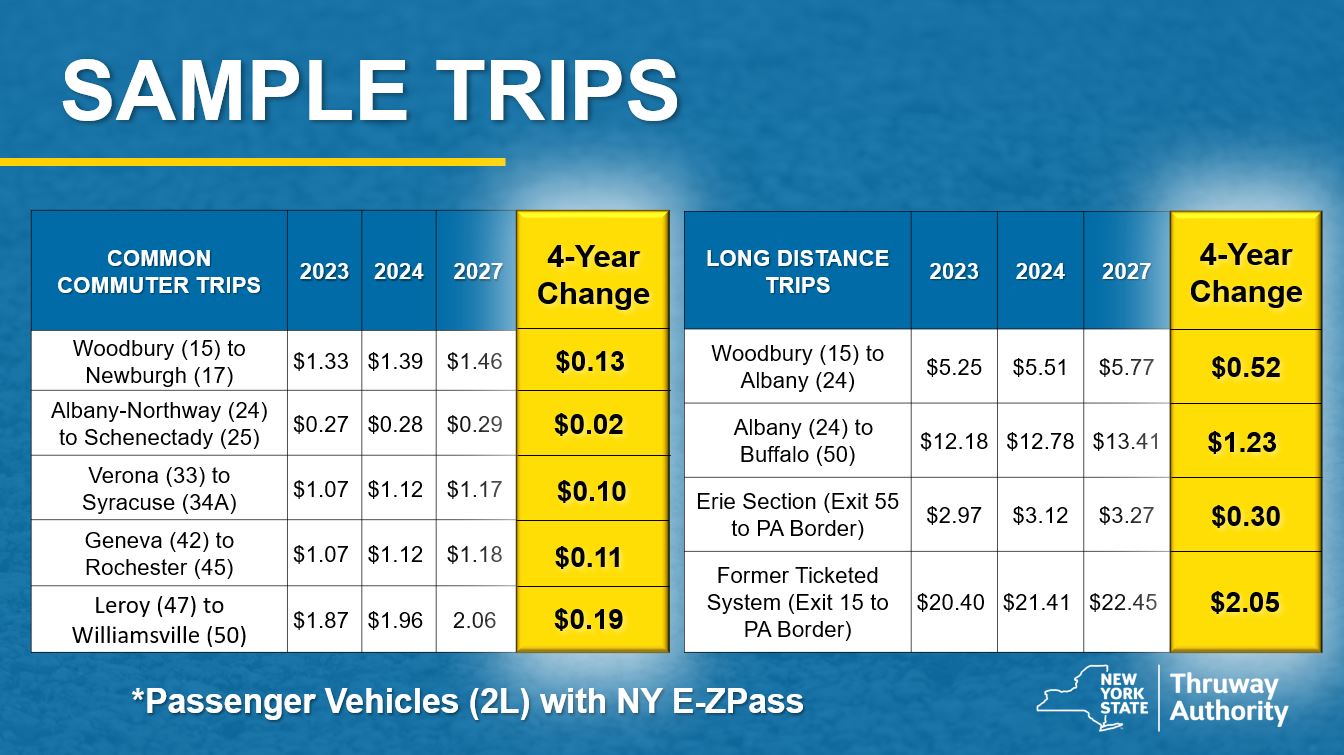
Travelers should also note that some crossings provide discounts for frequent users. However, for the casual visitor or tourist, these discounts are often unavailable. Always check the official agency websites for the specific bridges you plan to cross, as the dynamic nature of these tolls is subject to change based on local government policies and infrastructure project funding requirements.
The Impact of Cashless Tolling
The shift to all-electronic tolling has revolutionized traffic flow. By removing physical booths, the city has reduced the bottlenecking that used to occur at entry points. However, this shift places the burden of responsibility entirely on the driver. If you are renting a vehicle, it is critical to ask the rental agency about their specific tolling policies. Many agencies will charge an additional daily “convenience fee” on top of the actual toll cost if they process the payment on your behalf. To avoid these extra administrative costs, it is often better to link your own personal E-ZPass to the rental car if the rental company allows it, or pay the tolling agency directly if the option is provided.
Tips for Managing Travel Costs
Budgeting for tolls is a necessary part of a New York City travel plan. To minimize your out-of-pocket expenses and avoid the frustration of late fees or fines, consider the following strategies.
Optimize Your Route
Using GPS applications such as Google Maps or Waze can help you visualize your trip. These tools often allow you to select a “avoid tolls” setting. While this might add time to your trip, it is a great way to see if there is a viable alternative that is cost-effective. Sometimes, taking a free bridge that is just a few miles out of the way can save you enough to cover a significant portion of a meal in a city known for its culinary scene.
Keep Your Account Funded
For those using an E-ZPass, ensure that your account is linked to a valid credit card with an auto-replenishment feature. There is nothing worse than driving through a toll and having the system fail because of an insufficient balance, which can lead to hefty penalties and account suspension. If you are visiting from another state, remember that the E-ZPass is a multi-state system; an account opened in one state typically works across the entire Northeast region and beyond, including major turnpikes and bridges in Pennsylvania, Maryland, and Massachusetts.
Stay Informed on Congestion Pricing
The discussion around congestion pricing in Manhattan is an evolving topic. Recent initiatives aimed at reducing traffic in the central business district—generally defined as areas south of 60th Street—are intended to improve air quality and public transit funding. As these regulations are debated and implemented, travelers should stay informed. Even if you are not commuting for work, entering the core of the city might eventually come with a unique entry fee that is separate from traditional bridge and tunnel tolls.

Navigating Beyond the Tolls
While tolls are a major component of the travel budget, they are just one piece of the puzzle. Driving within New York City also involves navigating limited street parking, the high cost of parking garages, and the complex grid system. If your visit is strictly limited to the major tourist hubs, consider utilizing the extensive MTA Subway network. By parking your vehicle at a park-and-ride facility on the outskirts of the city and taking public transit into the center, you can eliminate the need to worry about toll costs, gas prices, and the search for expensive parking.
However, if you are planning a trip that takes you further into the outer boroughs or upstate towards the Hudson Valley, having a car is undeniably beneficial. The key is to approach your drive with foresight. Knowing which bridges charge tolls, understanding the difference between E-ZPass and Toll by Mail, and being aware of peak hour pricing will keep your travel budget intact and your trip enjoyable. Whether you are driving past the Statue of Liberty or cruising through the Bronx, preparation remains your best tool for navigating the intricate toll landscape of this iconic metropolis.
LifeOutOfTheBox is a participant in the Amazon Services LLC Associates Program, an affiliate advertising program designed to provide a means for sites to earn advertising fees by advertising and linking to Amazon.com. Amazon, the Amazon logo, AmazonSupply, and the AmazonSupply logo are trademarks of Amazon.com, Inc. or its affiliates. As an Amazon Associate we earn affiliate commissions from qualifying purchases.