
For professionals considering a high-end business relocation or those analyzing the economic landscape of the legal sector in the most influential city in the United States, understanding the compensation structure of New York City attorneys is essential. The legal market here is arguably the most competitive and lucrative in the world, attracting top-tier talent from every corner of the globe. However, the cost of living—from high-end residential leases in Manhattan to the premium services required to maintain a luxury lifestyle—demands a significant income.
The Compensation Landscape in Big Law
The term “Big Law” in New York refers to the massive, international firms that dominate the corporate, litigation, and financial sectors. These firms are known for setting the industry standard for compensation, often referred to as the “Cravath Scale,” named after the prominent firm Cravath Swaine and Moore.

Entry-Level Expectations
For recent graduates from top-tier law schools joining a major firm in Midtown Manhattan, the starting salary is remarkably high. In recent years, base salaries for first-year associates have reached the $225,000 threshold. This figure is base compensation alone; it does not account for the year-end bonuses that have become a hallmark of the industry. These bonuses can add anywhere from $15,000 to over $100,000 depending on seniority and firm performance.
Seniority and Bonus Structures
As an attorney progresses through the ranks, the compensation gap between various firms begins to widen based on practice area and billable hour requirements. By the time an attorney reaches their fifth or sixth year of practice, total compensation—including base salary and performance bonuses—often exceeds $350,000. This level of income is necessary to support a lifestyle commensurate with the high-stakes demands of working near Wall Street or Hudson Yards.
Variation by Practice Area and Firm Type
While Big Law dominates the headlines, it is only one segment of the legal market in New York State. The financial reality for a government attorney, a public defender, or a lawyer at a boutique firm is vastly different.
Public Sector and Non-Profit Legal Work
Attorneys working for the city, state, or in public interest law contribute significantly to the social fabric of Brooklyn and Queens. These roles are highly respected but come with different economic incentives. Entry-level salaries in the public sector typically range from $70,000 to $90,000. While these roles do not offer the multi-six-figure bonuses seen in corporate law, they often provide superior work-life balance and long-term pension benefits, which appeal to those looking to settle down in neighborhoods like Park Slope or Astoria.
Boutique and Specialty Firms
Boutique firms in Tribeca or SoHo often specialize in niche areas such as intellectual property, entertainment law, or white-collar defense. These firms may offer lower starting salaries than the massive corporate giants but often provide a more rapid path to partnership. A partner at a successful boutique firm can eventually earn significantly more than a non-equity partner at a massive international firm, depending on their “book of business” or the revenue they generate through their own client relationships.
Balancing Income with the Cost of Living
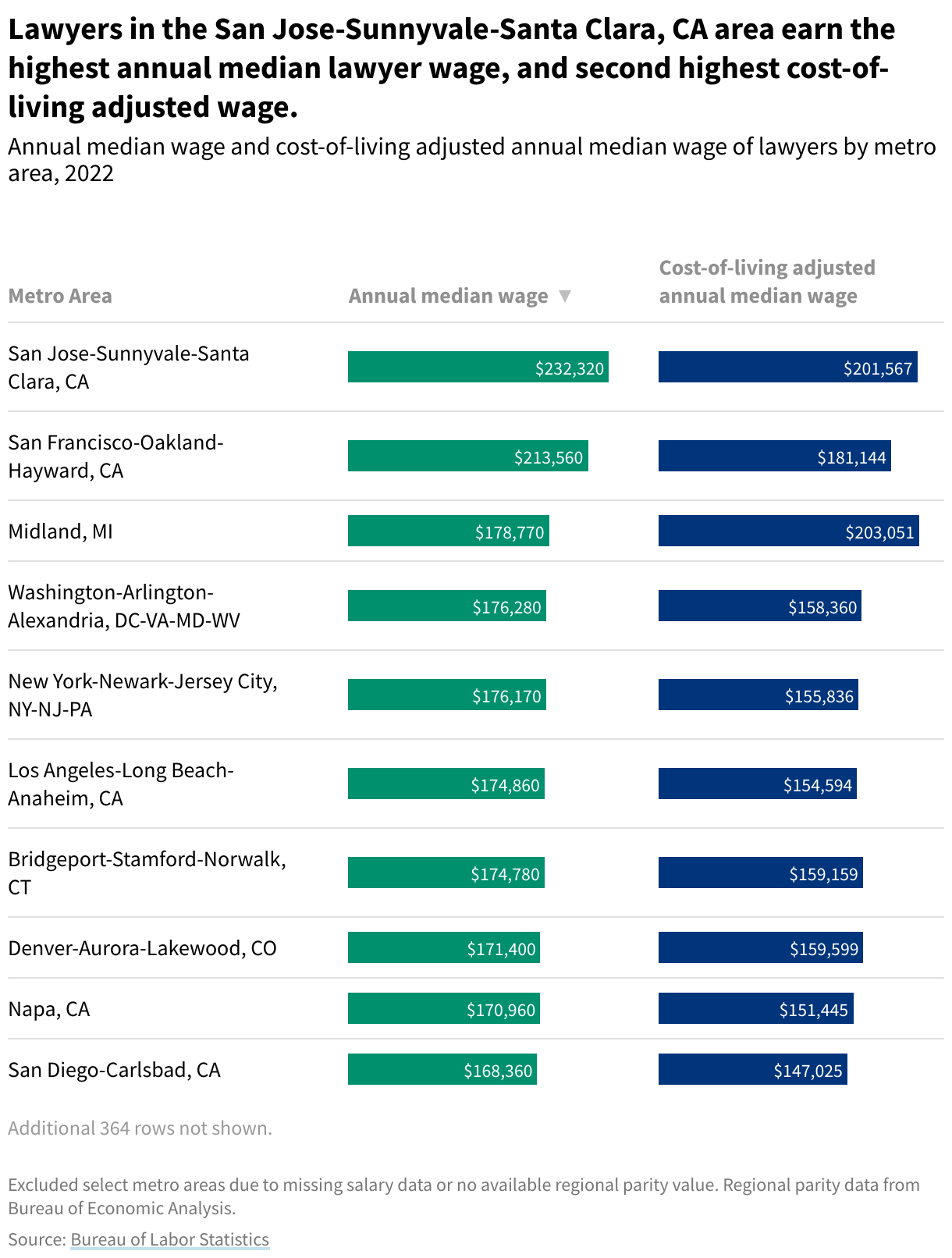
One cannot discuss attorney salaries in New York without addressing the cost of sustaining a high-earning lifestyle. The city’s economic environment is as demanding as its professional one.
Housing and Lifestyle Expenses
A significant portion of a lawyer’s take-home pay is inevitably funneled into housing. Whether renting a luxury apartment in Battery Park City or purchasing a brownstone in Brooklyn Heights, the overhead for professionals is among the highest in the country. Beyond rent and mortgages, the cost of private schooling, high-end dining, and the necessity of maintaining a professional image—such as bespoke tailoring and professional networking at exclusive clubs—competes with student loan repayments.
Taxes and Net Disposable Income
Attorneys in the city are subject to triple taxation: federal, New York State, and New York City personal income taxes. This significantly impacts the actual net disposable income. For an associate earning $250,000, the effective take-home pay after these taxes can be surprisingly lower than one might expect, requiring careful financial planning. Many high-earning attorneys consult with private wealth managers to navigate the complexities of NYC tax laws and investment strategies in the Tri-State Area.
The Path to Partnership: The Ultimate Financial Goal
For most corporate lawyers, the pursuit of partnership is the primary driver of their long-term financial strategy. Reaching the equity partnership level at a firm like Skadden Arps or Sullivan and Cromwell is the pinnacle of the career.
Equity vs. Non-Equity Partners
The financial distinction between non-equity and equity partners is substantial. Non-equity partners are essentially high-level employees with a steady, high salary. Equity partners, however, own a piece of the firm. Their compensation is tied directly to the firm’s profits, commonly referred to as “Partners’ Profits” or “PEP” (Profits per Equity Partner). At the most prestigious firms in Manhattan, PEP often ranges from $2 million to well over $5 million annually.
The Trade-off
However, this elite level of compensation comes with intense pressure to bring in new business. It requires constant travel to hubs like London, Hong Kong, or Dubai to maintain global client relations. The lifestyle of a successful partner is one of perpetual availability, demanding high levels of energy and a commitment to the firm that often spans decades.
Future Trends in Legal Compensation
The legal market in New York City is currently undergoing a transformation. The rise of legal technology, artificial intelligence, and a shift toward remote work has prompted firms to re-evaluate their compensation models.
The Shift Toward Performance-Based Pay
While base salaries remain high, there is a growing trend toward linking a larger portion of compensation to specific metrics beyond just billable hours. Firms are increasingly valuing client acquisition, cross-selling services, and the efficient management of legal teams.

Global Competitiveness
As New York City competes with international financial centers like Singapore or Zurich, firms are finding that they must offer more than just a competitive salary. They are increasingly investing in wellness programs, flexible working arrangements, and sophisticated office spaces that rival the most luxurious hotel amenities in Chelsea or Gramercy Park.
Ultimately, a lawyer in New York City can expect to earn a salary that sits at the very top of the national average. However, the true measure of their financial success is not just the base number, but their ability to manage the high costs of urban living while navigating the unique tax and professional landscape of this global capital. Whether working in a glass-walled office overlooking Central Park or in a historic building in the Financial District, the economic path for a legal professional in this city remains one of high risk, high stress, and potentially, immense financial reward.
LifeOutOfTheBox is a participant in the Amazon Services LLC Associates Program, an affiliate advertising program designed to provide a means for sites to earn advertising fees by advertising and linking to Amazon.com. Amazon, the Amazon logo, AmazonSupply, and the AmazonSupply logo are trademarks of Amazon.com, Inc. or its affiliates. As an Amazon Associate we earn affiliate commissions from qualifying purchases.