
For many visitors exploring the vibrant pulse of New York City, the iconic sight of a fire engine rushing through the streets of Manhattan or the brave personnel stationed at neighborhood firehouses is a quintessential part of the local experience. The firefighters of the FDNY are deeply woven into the fabric of the city’s local culture, serving as symbols of resilience and community protection. Understanding the professional life of these public servants offers a unique glimpse into the everyday realities of life in the “Big Apple.”
The Salary Structure of New York’s Bravest
When discussing the compensation of firefighters in New York, it is essential to distinguish between starting salaries and long-term earnings. The financial rewards of this profession are structured to reward experience, longevity, and specialized skill sets.
Starting Compensation and Initial Training
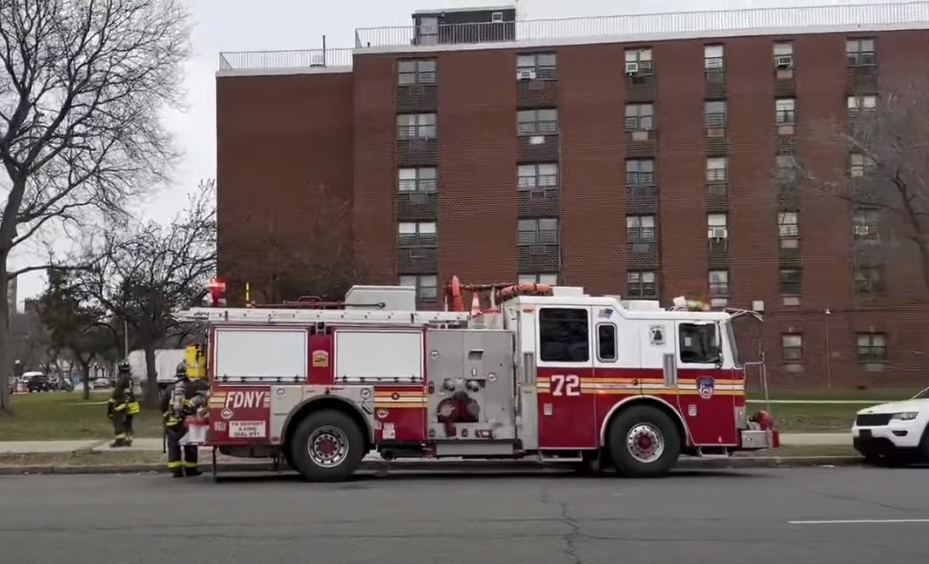
New recruits entering the Fire Academy begin their journey with a base salary that reflects the intensity of their training. Initially, the starting salary is set at a competitive rate intended to attract dedicated individuals who are committed to the safety of the millions who reside in or visit the city. This base pay is designed to support a cost of living that is notoriously high in urban hubs like Brooklyn or Queens.
Salary Progression Over Five Years
A significant aspect of the FDNY pay scale is the “step” system. Over the course of the first five years on the job, a firefighter’s base salary increases incrementally. By the time a firefighter reaches the fifth-grade level—the top pay grade for a standard firefighter—the salary becomes quite substantial. This progression ensures that those who commit their careers to the department are compensated fairly for the risks they take and the expertise they acquire. By the end of this five-year period, base salaries often exceed $100,000, not including the potential for significant overtime pay.
The Impact of Overtime and Additional Benefits
In a city that never sleeps, the demand for emergency services is constant. The New York City Fire Department operates around the clock, and the nature of the work often necessitates extra shifts, which significantly alters the take-home pay of personnel.
The Role of Overtime in Total Earnings
Overtime is a massive factor in the final income of many firefighters. Due to staffing requirements, public events like the Macy’s Thanksgiving Day Parade or the New Year’s Eve festivities in Times Square, there is frequent opportunity—and requirement—for extra duty. While the base salary provides a stable foundation, it is the overtime hours that often push a firefighter’s annual gross income to levels well beyond the base figure.
Benefits Packages and Pension Considerations
Financial compensation is only one part of the package. A career as a firefighter in New York is highly sought after because of the extensive benefits that come with the position. This includes:
- Comprehensive healthcare coverage for the firefighter and their family.
- A robust pension plan that offers security after a set number of years of service.
- Vacation leave and sick time that align with the rigorous physical demands of the job.
- Uniform allowances and educational incentives for pursuing further certifications.
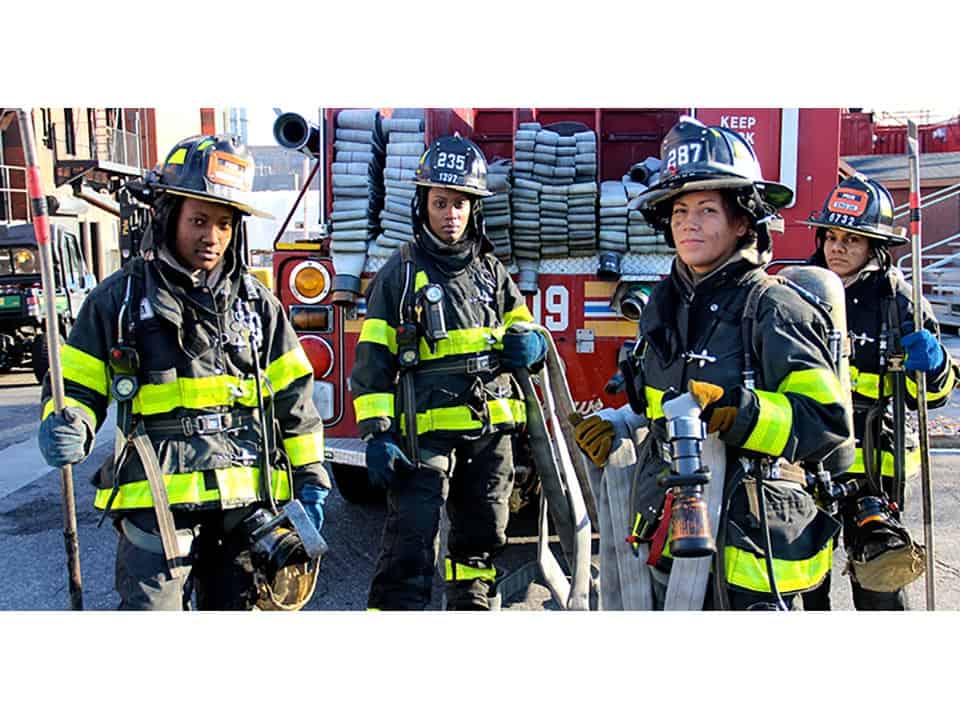
These non-monetary benefits contribute significantly to the total value of the profession, making it a stable career path despite the inherent dangers and the competitive nature of the hiring process.
The Cost of Living vs. The Salary
The United States is home to many major metropolitan areas, but few possess the economic intensity of New York. When considering if the salary of a firefighter is “enough,” one must compare these figures against the local cost of living.
Housing and Neighborhood Dynamics
Many firefighters choose to live in the outer boroughs like Staten Island or The Bronx, where housing markets may offer more space than the cramped apartments found in the heart of Manhattan. The salary of a senior firefighter allows for a comfortable middle-class lifestyle, though it requires careful financial planning. The ability to afford a home in the city one serves is a point of pride for many in the FDNY, though the rising cost of real estate in New York remains a topic of frequent debate within the department.
The Value of Public Service
Beyond the raw numbers, the compensation of a firefighter reflects the high value placed on their role as community pillars. Whether they are responding to a high-rise emergency near Central Park or assisting with medical calls in a local Harlem neighborhood, the FDNY is seen as an essential agency. Their presence allows the city’s tourism, hospitality, and residential sectors to function with a sense of safety. The salary is not merely a wage; it is a recognition of the toll that the work takes on the individual and the vital nature of the service provided to the public.
Navigating a Career in the FDNY
For those aspiring to join the ranks, the path is rigorous. The selection process involves written exams, physical ability tests, and intensive background screenings. It is a career path that requires not just physical strength, but an analytical mind and a strong sense of civic duty.
Training and Development
Once accepted, recruits spend months at the Fire Academy on Randalls Island. This period is unpaid or paid at a trainee rate, depending on the current fiscal regulations. The education received here is world-class, preparing firefighters to handle everything from hazardous materials to advanced medical life support. This training adds professional value that lasts a lifetime, ensuring that even if one leaves the department, they are equipped with skills that are highly transferable in other fields.

Why It Remains a Coveted Career
Despite the high cost of living in New York, thousands of applicants register every time the exam window opens. The combination of competitive starting pay, clear salary progression, comprehensive benefits, and the unparalleled honor of serving one of the world’s most dynamic cities makes the FDNY a dream job for many.
In summary, a New York firefighter’s income is a multifaceted figure. While the base salary provides a solid middle-class living, the true earning potential is often bolstered by overtime and long-term pension benefits. When visitors walk past a firehouse in Greenwich Village or Upper West Side, they are witnessing a group of professionals who are well-compensated, highly trained, and deeply integrated into the spirit of New York City. The profession remains a cornerstone of municipal stability, ensuring that both residents and the millions of people who visit the city annually can do so with peace of mind.
LifeOutOfTheBox is a participant in the Amazon Services LLC Associates Program, an affiliate advertising program designed to provide a means for sites to earn advertising fees by advertising and linking to Amazon.com. Amazon, the Amazon logo, AmazonSupply, and the AmazonSupply logo are trademarks of Amazon.com, Inc. or its affiliates. As an Amazon Associate we earn affiliate commissions from qualifying purchases.