
For residents and visitors navigating the diverse landscapes of New York State, maintaining a vehicle is a fundamental part of the lifestyle. Whether you are driving through the bustling streets of New York City, navigating the scenic routes of the Catskill Mountains, or commuting in Albany, understanding the mandatory safety and emissions inspection process is essential for every motorist. As part of maintaining the high standards of automotive safety and environmental responsibility across the United States, the Department of Motor Vehicles mandates annual inspections for nearly all registered vehicles.
Understanding the Costs of Annual Inspections
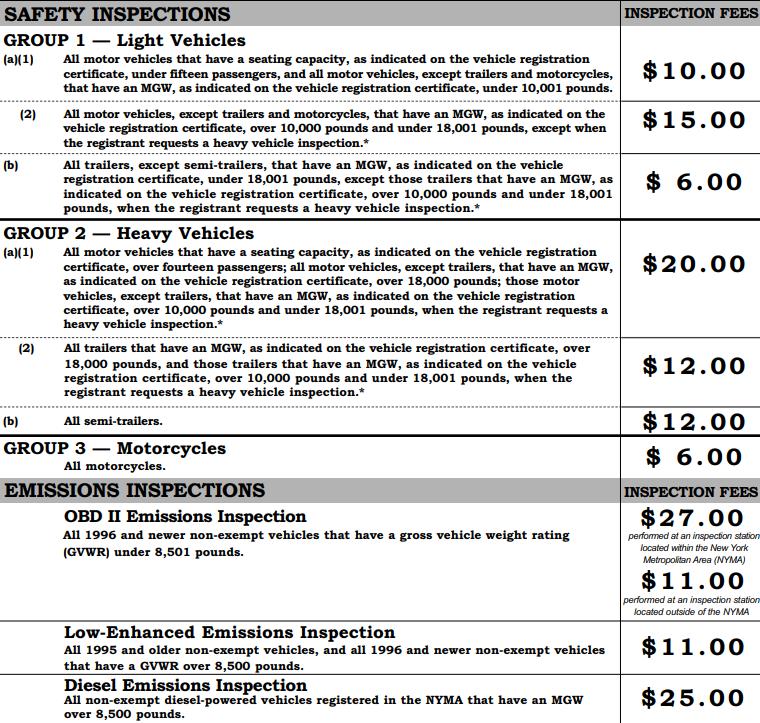
The cost of a New York State car inspection is not a single, arbitrary fee determined by individual garages. Instead, the New York State Department of Motor Vehicles sets specific price ceilings based on the weight of the vehicle and the type of inspection required. Because these fees are regulated, you can expect a consistent price range across licensed inspection stations from Buffalo to Long Island.
Price Tiers Based on Vehicle Weight
The state categorizes vehicles primarily by their Gross Vehicle Weight Rating (GVWR). The inspection fee typically falls into one of two brackets:
- Vehicles with a GVWR of 8,500 pounds or less: For the vast majority of passenger cars, SUVs, and light-duty trucks, the inspection fee is generally capped. While the state dictates the maximum, most stations charge between $27 and $37 for this service.
- Vehicles with a GVWR of more than 8,500 pounds: Larger vehicles, such as heavy-duty trucks or commercial vans, are subject to higher testing fees due to the complexity of the equipment and the additional time required for the safety check. These fees often range from $40 to $70, depending on the specific facility.
Additional Costs and Variables
It is important to note that the inspection fee covers the state-mandated safety and emissions check. However, if your vehicle fails the inspection, you are responsible for the costs of any necessary repairs. While you are not obligated to have these repairs performed at the same facility that conducted the inspection, it is often a matter of convenience. Furthermore, if you are visiting Syracuse or Rochester and realize your inspection has expired, be aware that some high-demand shops may charge a slight premium for premium time slots or walk-in appointments, though the core inspection fee remains regulated.
What is Included in the Inspection Process?
The purpose of the New York State inspection is two-fold: to ensure the vehicle is safe for operation on public roads and to minimize environmental impact through emissions testing. Whether you are driving in Westchester County or exploring the Finger Lakes, the procedure remains standardized.
Safety Inspection Components
A licensed technician will conduct a thorough examination of several critical vehicle systems. If any of these are found to be deficient, the vehicle will fail the safety check:
- Braking Systems: The technician checks for pad thickness, fluid levels, and overall performance.
- Steering and Suspension: Proper alignment and lack of excessive play in the steering components are vital for vehicle control.
- Lighting and Signals: All headlamps, tail lamps, turn signals, and hazard lights must be functional.
- Tire Condition: Tires must have adequate tread depth and no signs of dangerous dry rot or structural damage.
- Glass and Visibility: Windshields must be free of large cracks that obstruct the driver’s view, and windshield wipers must be operational.
Emissions Testing
New York State utilizes an On-Board Diagnostic (OBD-II) system for modern vehicles. This electronic test monitors the vehicle’s emission control systems. If the “Check Engine” light is illuminated, the vehicle will automatically fail the inspection. The testing process also checks for the integrity of the fuel cap and the presence of required emissions equipment. For older vehicles, specifically those manufactured before the OBD-II era, a different type of emissions test may be performed, though these are becoming increasingly rare as the state fleet ages.
Navigating Inspection Requirements as a Resident or Visitor
Whether you are a long-term resident of Hudson Valley or a new arrival planning to stay, keeping your vehicle compliant is a legal requirement. Operating a vehicle with an expired inspection sticker can lead to traffic tickets and fines, which are certainly not the highlight of a trip through the Adirondack Mountains.
Timing and Grace Periods
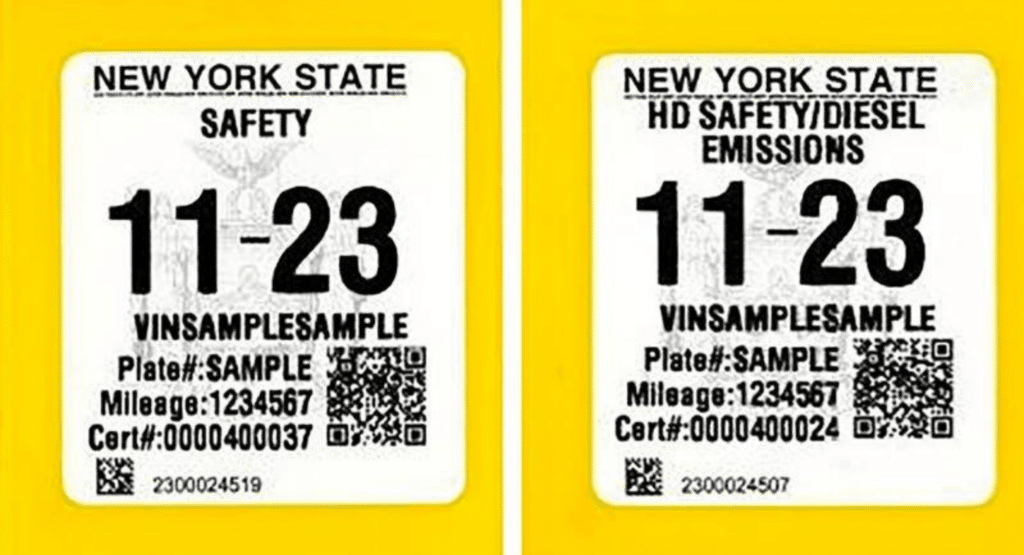
Your inspection sticker is valid until the last day of the month punched on the sticker. There is no grace period for expired inspections. If you are pulled over in Brooklyn or Queens with an expired sticker, you are subject to immediate penalties. It is highly recommended to schedule your inspection at least two weeks before the expiration date to ensure that if any minor repairs are needed, you have time to address them without being forced to park your vehicle.
Choosing an Inspection Station
You are not required to return to the New York City Department of Transportation designated areas or your original dealership for an inspection. Any station displaying the official “New York State Official Inspection Station” sign is authorized to perform the test. When traveling through areas like Niagara Falls or the Thousand Islands, you might find that smaller, local service centers offer more personalized service and shorter wait times compared to high-volume dealerships in larger urban centers.
The Role of Inspection Receipts
Once the inspection is complete, you will receive a receipt that details the results. Even if your vehicle passes, keep this document in your glove compartment. In the rare event that a law enforcement officer questions the status of your vehicle, having the paperwork from a licensed facility serves as proof of compliance while the system updates.

Maintaining Your Vehicle for Yearly Success
To ensure your vehicle passes the inspection without the stress of unexpected repair bills, proactive maintenance is the key. Living in New York means your vehicle is exposed to harsh winters and road salt, which can accelerate the wear of brake lines and chassis components.
- Pre-Inspection Check: Perform a “walk-around” of your vehicle once a month. Ensure all lights work, check your tire pressure, and look for any warning lights on the dashboard.
- Address Issues Early: If a light appears on your dashboard, do not wait until the month your inspection is due to address it. An emissions-related warning light can take time to diagnose and repair, especially if drive-cycles are required to reset the vehicle’s computer.
- Record Keeping: Maintain a folder of all your vehicle service records. While not strictly required for the inspection, it helps you track when parts were replaced, making it easier to predict when you might need new tires or brake pads.
By staying informed about the costs and requirements of the New York State car inspection, you can ensure that your travels across the state remain uninterrupted. Whether you are driving through the iconic streets of Manhattan or enjoying the serene views of Lake George, a compliant vehicle is your ticket to a worry-free journey. Remember, the inspection is not just a regulatory hurdle—it is a critical component of road safety for you, your passengers, and everyone sharing the roads of the Empire State.
LifeOutOfTheBox is a participant in the Amazon Services LLC Associates Program, an affiliate advertising program designed to provide a means for sites to earn advertising fees by advertising and linking to Amazon.com. Amazon, the Amazon logo, AmazonSupply, and the AmazonSupply logo are trademarks of Amazon.com, Inc. or its affiliates. As an Amazon Associate we earn affiliate commissions from qualifying purchases.