
The iconic yellow cab is perhaps the most enduring symbol of New York City. For decades, these vehicles have navigated the frantic arteries of Manhattan, serving as a quintessential component of the local tourism landscape. However, behind the simple act of hailing a ride lies a complex, often turbulent history of regulatory economics: the taxi medallion system. To understand how much a medallion is worth today, one must look at the meteoric rise, the devastating crash, and the current state of this unique municipal asset.
The History and Evolution of the Medallion System
The medallion system was born in 1937 under the Haas Act, designed to limit the number of taxis on the streets of New York to curb congestion and ensure fair wages for drivers. For over seventy years, the medallion—a small metal plate bolted to the hood of the car—became one of the safest and most lucrative investments in the United States.

The Golden Age of Investment
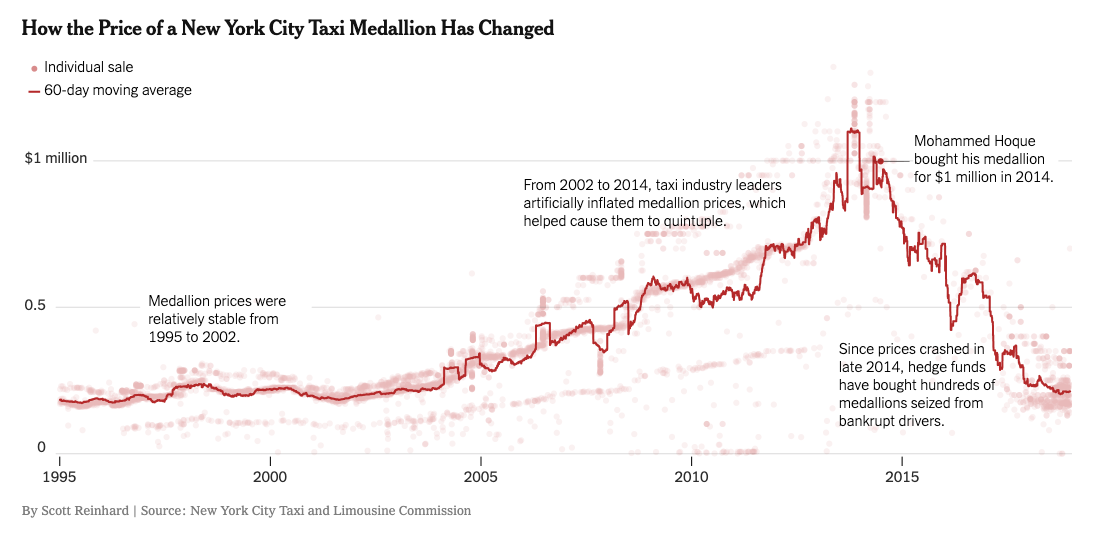
Throughout the late 20th century, the number of medallions was strictly capped at roughly 13,000. Because demand for taxis in a city like New York City far exceeded the supply, the value of these medallions soared. By 2014, a single medallion was selling for upwards of $1.3 million. Investors viewed them as “digital gold,” stable assets that consistently appreciated in value, often outperforming the stock market.
The Market Disruption
The narrative shifted abruptly with the rise of ride-sharing platforms. As app-based services entered the New York market, the monopoly held by medallion owners began to dissolve. The convenience, transparency, and lower price points of these new services decimated the traditional taxi model. Consequently, the perceived value of a medallion plummeted, leading to one of the most significant financial crises for independent operators in the history of the taxi industry.
Current Valuation: The Reality of Today’s Market
Determining the “price” of a medallion today is a complicated endeavor because the market is no longer as transparent or liquid as it once was. Following the financial collapse of the medallion bubble, the city faced immense pressure to provide debt relief to drivers who had been pushed into predatory loans based on the inflated values of the early 2010s.
Assessing the Modern Price Tag
As of the most recent reporting periods, individual medallion values have stabilized significantly lower than their peak, often hovering in the range of $150,000 to $200,000. However, these figures are not static. The market is influenced by:
- Government Debt Forgiveness Programs: The city has implemented various initiatives to restructure the debt of owner-operators, which has created a synthetic floor for prices.
- Leasing Arrangements: Many medallions are no longer owned by the drivers themselves but by large fleets, which operate under different financial pressures and operational models.
- Regulatory Changes: The New York City Taxi and Limousine Commission continues to adjust rules regarding fleet size, accessibility, and electric vehicle mandates, all of which impact the underlying value of the license to operate.
Why Price Varies
It is crucial to understand that there is a distinction between an individual medallion and a corporate-owned medallion. A “medallion” in a bundle or one held by a large fleet may trade differently than an independent owner-operator medallion. Because the trade volume is historically low, the “market price” is often an estimate based on recent settlements or distressed sales rather than a standard retail transaction.
The Role of the Taxi in the Tourism Ecosystem
While the medallion itself is a financial instrument, its primary function remains the movement of millions of tourists through the streets of Manhattan. The yellow taxi is not just a mode of transport; it is a cultural landmark that connects travelers to the heart of the United States.
Transportation as a Tourist Experience
For visitors landing at John F. Kennedy International Airport, the yellow cab is often the first authentic taste of the city. The reliability of the metered fare and the ubiquity of these cars mean that despite the rise of private ride-sharing apps, the yellow cab remains a preferred method of travel for those heading to Times Square or Central Park.
Cultural Significance and Preservation
The survival of the medallion system is largely driven by the city’s commitment to maintaining a standardized, regulated, and professionalized taxi service. For the average tourist, the value of the medallion is irrelevant compared to the experience of the ride. Yet, the presence of these cars is what maintains the aesthetic and operational consistency that defines the tourism experience in New York.
Looking Ahead: The Future of Urban Transport
The future of the taxi medallion is intrinsically linked to the broader evolution of urban mobility. As New York City moves toward greener, more efficient transit solutions, the yellow cab is adapting.
Modernization and Green Transit
Many medallions are now associated with hybrid or fully electric vehicles. The New York City Taxi and Limousine Commission has incentivized the transition to EVs, which helps lower operating costs for drivers—a vital factor in keeping the medallion system viable. If drivers can operate at a lower cost, the medallion retains its utility as a business asset, even if it never returns to its million-dollar peak.

Can the Medallion Remain Relevant?
The medallion system faces a paradox: it is both a relic of a pre-digital age and an essential regulatory tool for traffic management. While the financial frenzy of the past has subsided, the medallion remains a symbol of professionalized, city-authorized transportation. For those looking to enter the industry, the cost is no longer a barrier to the ultra-wealthy, but a manageable business investment that requires careful navigation of the regulatory environment of Manhattan.
In conclusion, the question of “how much” a New York taxi medallion costs is a window into the broader economic shifts of the city. While the era of the $1 million medallion is firmly in the rearview mirror, the institution of the yellow cab endures. As New York City evolves, the medallion will likely continue to serve its purpose: a regulated, reliable, and iconic way to navigate the most famous streets in the United States. The price may have fluctuated, but the prestige and the necessity of the yellow cab remain as permanent as the skyline of New York itself.
LifeOutOfTheBox is a participant in the Amazon Services LLC Associates Program, an affiliate advertising program designed to provide a means for sites to earn advertising fees by advertising and linking to Amazon.com. Amazon, the Amazon logo, AmazonSupply, and the AmazonSupply logo are trademarks of Amazon.com, Inc. or its affiliates. As an Amazon Associate we earn affiliate commissions from qualifying purchases.