
Navigating the sprawling metropolis of New York City can feel like a daunting task for the uninitiated, yet the backbone of this energetic urban landscape is the New York City Subway. For travelers and locals alike, understanding the fare structure is the first step toward mastering transit in one of the most iconic destinations in the United States. Whether you are commuting to the Financial District or heading to a Broadway show in Times Square, the subway remains the most efficient way to traverse the five boroughs.
Understanding the Fare Structure and Payment Methods
The modern subway system has moved away from the traditional magnetic-stripe MetroCard in favor of a more streamlined, contactless payment ecosystem. Understanding how to pay is just as important as knowing the cost.
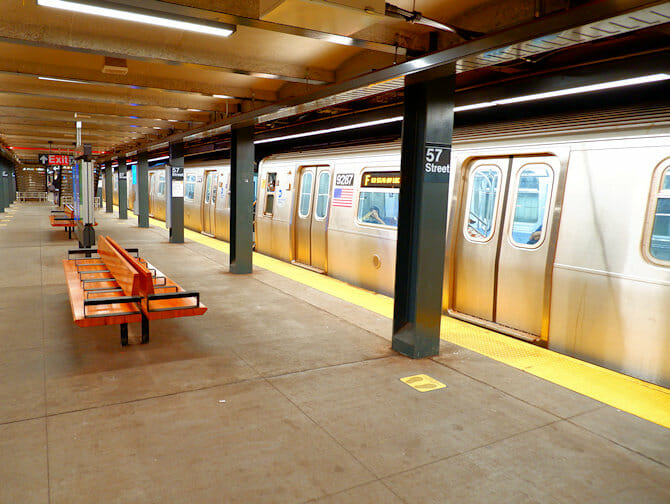
The OMNY System
The OMNY system is now the standard for transit in the city. This contactless payment technology allows riders to use their own credit or debit cards, smartphones, or wearables—such as those equipped with Apple Pay or Google Pay—to tap and go at turnstiles. The cost for a single ride on the subway is $2.90. This flat fare applies regardless of how far you travel within the system, making it an incredibly cost-effective way to get from the Upper West Side to Brooklyn or even out to Queens.
The Fare Cap Advantage
One of the most traveler-friendly features of the OMNY system is the weekly fare cap. If you use the same payment method consistently, the system automatically stops charging you once you reach the equivalent cost of a 7-day unlimited pass—currently set at $34.00. This means that after your 12th ride within a rolling seven-day period, every subsequent ride for the remainder of that week is free. For visitors planning to spend a few days exploring landmarks like the Empire State Building or the Museum of Modern Art, this automated savings program offers peace of mind and budget security.
Cost Comparisons and Value for Visitors
When considering the total cost of transportation during a trip to the Big Apple, it is useful to weigh the subway against other transit alternatives.
Subway vs. Rideshare Services
While services like Uber or Lyft offer convenience, they are subject to New York City traffic patterns and surge pricing, which can quickly turn a short trip into a significant expense. A cross-town ride during peak hours could easily cost upwards of $30 or $40, whereas a subway ride remains a fixed $2.90. Even with the occasional need for a taxi near Central Park, sticking to the subway for the majority of your journeys will significantly lower your total travel budget.
Discounts and Free Transfers
The subway system is designed to facilitate movement across different lines. If you are paying via OMNY or using a MetroCard, you are entitled to a free transfer between subway lines within the system, provided you do not exit the station. Additionally, if you are transferring between the subway and a local bus, the transfer remains free. This policy is particularly beneficial for tourists planning to visit multiple neighborhoods in a single day, such as transitioning from the vibrant streets of Chinatown to the trendy boutiques of SoHo.
Essential Tips for Navigating the System

Beyond the price of a ticket, knowing how to use the infrastructure effectively can save you time and prevent unnecessary stress during your vacation.
Utilizing Mobile Apps
Relying on digital tools is essential. Apps like Google Maps or the official MTA app provide real-time updates on delays, track maintenance, and route changes. Since construction work can occasionally shift train schedules, checking your route before you leave your hotel in Manhattan is a professional habit that will keep your itinerary on track.
Accessibility and Considerations
For travelers with limited mobility or those carrying heavy luggage to or from John F. Kennedy International Airport, it is important to note that not every station is fully ADA-accessible. While the system is constantly being upgraded, it is wise to check the accessibility status of your destination station via the transit app before departing. Stations serving major transit hubs like Grand Central Terminal or Penn Station generally offer elevators and ramps, but smaller local stations might rely on stairs.
Planning Your Budget for Transit
If you are calculating your daily expenses for a trip to New York, it is helpful to estimate your usage based on typical tourist behavior.
Budget Estimation
Most visitors will find themselves taking an average of four to six rides per day—perhaps heading to a museum in the morning, a lunch spot in the afternoon, a landmark in the evening, and back to their accommodation at night. At $2.90 per ride, you are looking at a daily transportation budget of roughly $12 to $18 per person. Compared to the costs of dining at Chelsea Market or tickets for a Broadway show, the subway represents the most affordable aspect of your visit.
Group Travel and Children
For families, it is worth noting that children under 44 inches tall ride for free when accompanied by a paying adult. This policy makes the subway an attractive option for parents exploring family-friendly destinations like the American Museum of Natural History or the Bronx Zoo. If you are traveling in a large group, ensure everyone has their own payment method ready at the turnstile to keep the flow of commuters moving efficiently—a common piece of etiquette in the fast-paced environment of the New York City subway.
Safety and Etiquette for First-Timers
Navigating a massive public transit system can be intimidating, but following a few simple rules will make you look and feel like a local.
Peak Hours vs. Off-Peak
If you want to avoid the “crush,” try to avoid commuting during the morning (8:00 AM – 9:30 AM) and evening (5:00 PM – 6:30 PM) rush hours. During these times, trains are crowded with local professionals traveling to and from hubs like Wall Street. Midday or late-evening rides are often much more comfortable and provide a quieter opportunity to observe the city from the train windows as you cross the Manhattan Bridge.

General Courtesy
Remember that the subway is a shared space. Stand to the right on escalators to allow others to pass, let passengers exit the train before you attempt to enter, and keep your bags off the seats during busy hours. By respecting these unwritten rules, you contribute to the overall efficiency of the system. Whether you are arriving at the Port Authority Bus Terminal or exploring the historic Staten Island Ferry, the subway remains the essential artery of this remarkable city, offering an unparalleled view into the daily life of New Yorkers. With a clear understanding of the fare and a tap of your card, the entire city is at your fingertips.
LifeOutOfTheBox is a participant in the Amazon Services LLC Associates Program, an affiliate advertising program designed to provide a means for sites to earn advertising fees by advertising and linking to Amazon.com. Amazon, the Amazon logo, AmazonSupply, and the AmazonSupply logo are trademarks of Amazon.com, Inc. or its affiliates. As an Amazon Associate we earn affiliate commissions from qualifying purchases.