
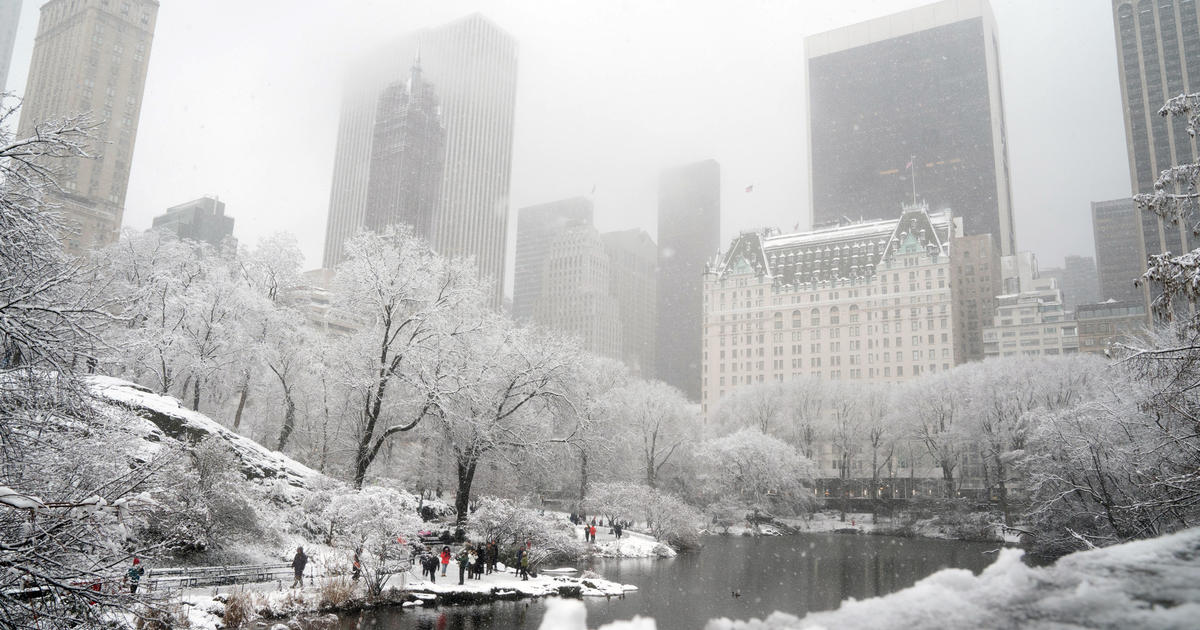
When the forecast calls for a winter storm in New York City, the metropolis undergoes a profound transformation. The steel and glass canyons of Manhattan soften under a layer of white, and the frantic pace of the city momentarily pauses. For locals and visitors alike, the question of snowfall totals is more than just a logistical concern; it is a cultural event that dictates the rhythm of the city’s streets, parks, and daily life.
The Science and Measurement of Urban Snowfall
Measuring snowfall in a dense urban environment like New York City is a complex endeavor. Unlike open fields where flakes settle evenly, the city creates its own microclimates. The “urban heat island” effect often means that Central Park might record a significantly different total than the neighborhoods of Brooklyn or Queens.

Official Measurement Standards
The National Weather Service uses Central Park as the official reporting station for the city. This historic park serves as the baseline for snowfall statistics dating back over a century. However, meteorologists often provide a range of totals to account for the disparities between the coastal regions of Staten Island and the more elevated terrain of the Bronx.
Factors Influencing Accumulation
Several variables dictate how much snow actually stays on the ground. Salt application, the timing of the storm, and the temperature of the asphalt all play roles in whether the snow turns into slush or remains a picturesque blanket. In areas with high density, such as Midtown Manhattan, the mechanical heat from subway vents and building basements often melts snow faster than in the suburban-style residential zones found in Long Island.
Experiencing the Snowy City: A Tourism Perspective
For the visitor, a snowy day in New York City offers a unique aesthetic experience that is rarely captured in travel brochures. When the snow hits, the city’s landmarks take on a serene, almost cinematic quality that draws photographers and sightseers into the streets.
Iconic Landmarks in Winter
Visiting Times Square during a snowstorm provides a sharp contrast between the glowing neon signs and the muted, falling flakes. Meanwhile, The Metropolitan Museum of Art becomes a sanctuary for those looking to escape the cold, providing a warm, cultured retreat as the city turns white outside.
If the snowfall is significant, The High Line offers an elevated perspective, allowing you to walk through a tree-lined path that feels miles away from the urban bustle. The lack of typical crowds on such days makes it one of the best times to appreciate the architecture of the city, from the Empire State Building to the Chrysler Building, as they disappear into the low-hanging clouds.

Seasonal Activities
- Ice Skating: Destinations like the Wollman Rink become quintessential experiences when snow is actively falling.
- Walking Tours: Many boutique operators offer guided snow walks that focus on the history of New York City winters, highlighting how the city navigated the famous Great Blizzards of the past.
- Cozy Cafes: After an hour of trekking through the snow, ducking into a traditional bistro in the West Village becomes an essential part of the itinerary.
Navigating Logistics During a Snow Event
When you are traveling, the uncertainty of snowfall can be stressful. Understanding how the city manages its infrastructure is key to staying ahead of the storm. The New York City Department of Sanitation is widely considered the most efficient in the world, often deploying thousands of plows to ensure that major arteries remain navigable.
Public Transportation Resilience
The Metropolitan Transportation Authority generally keeps the subway system running, even during heavy snow. In fact, riding the subway is often the most reliable way to traverse the five boroughs during a storm. While above-ground services like buses or the Staten Island Railway may experience delays or suspensions, the underground network remains the lifeline of the city.
Travel Tips for Winter Visitors
- Check Official Updates: Always monitor the local news or the NYC.gov portal for updates on street conditions and transit alerts.
- Appropriate Footwear: The salt used to melt snow is harsh on leather. Wear waterproof boots with good traction, as the sidewalks can become icy after the sun sets.
- Flexibility: If your plans include visiting observation decks like Top of the Rock, be aware that visibility might be limited during an active storm. Rebook for the following day when the skies usually clear to reveal a sparkling, snow-covered landscape.
The Cultural Impact of Snow in the City
Beyond the statistics of inches or centimeters, snowfall in New York City is a shared cultural phenomenon. It is a time when the city, which is famously “the city that never sleeps,” finds a brief, collective moment of stillness.
Community Dynamics
After a heavy snowfall, you will see a distinct change in behavior. Neighbors help one another shovel the sidewalks in Park Slope, and the local diners in Astoria fill up with patrons seeking hot coffee and breakfast. This sense of community is a hidden layer of the city’s tourism appeal—seeing New Yorkers set aside their typical urgency to enjoy the quiet beauty of a snow-day morning.
Preparing for the Aftermath
The beauty of the snow is often followed by the “cleanup” phase, which is an equally fascinating part of the urban experience. Watching the tactical efficiency of workers as they clear the Brooklyn Bridge or the plazas around Rockefeller Center reminds observers of the sheer scale of the organization required to keep such a massive hub functioning.
Whether you are in the city to catch a Broadway show at a Theater District venue or simply to walk the streets and soak in the atmosphere, the amount of snow New York City gets serves as a backdrop for some of your most memorable travel moments. It turns a standard trip into an immersive winter adventure, proving that even a weather event can be a highlight of your visit. Regardless of the official measurement provided by the weather stations, the true value of the snow lies in how it changes your perspective on the iconic skyline and the vibrant streets below.
LifeOutOfTheBox is a participant in the Amazon Services LLC Associates Program, an affiliate advertising program designed to provide a means for sites to earn advertising fees by advertising and linking to Amazon.com. Amazon, the Amazon logo, AmazonSupply, and the AmazonSupply logo are trademarks of Amazon.com, Inc. or its affiliates. As an Amazon Associate we earn affiliate commissions from qualifying purchases.