
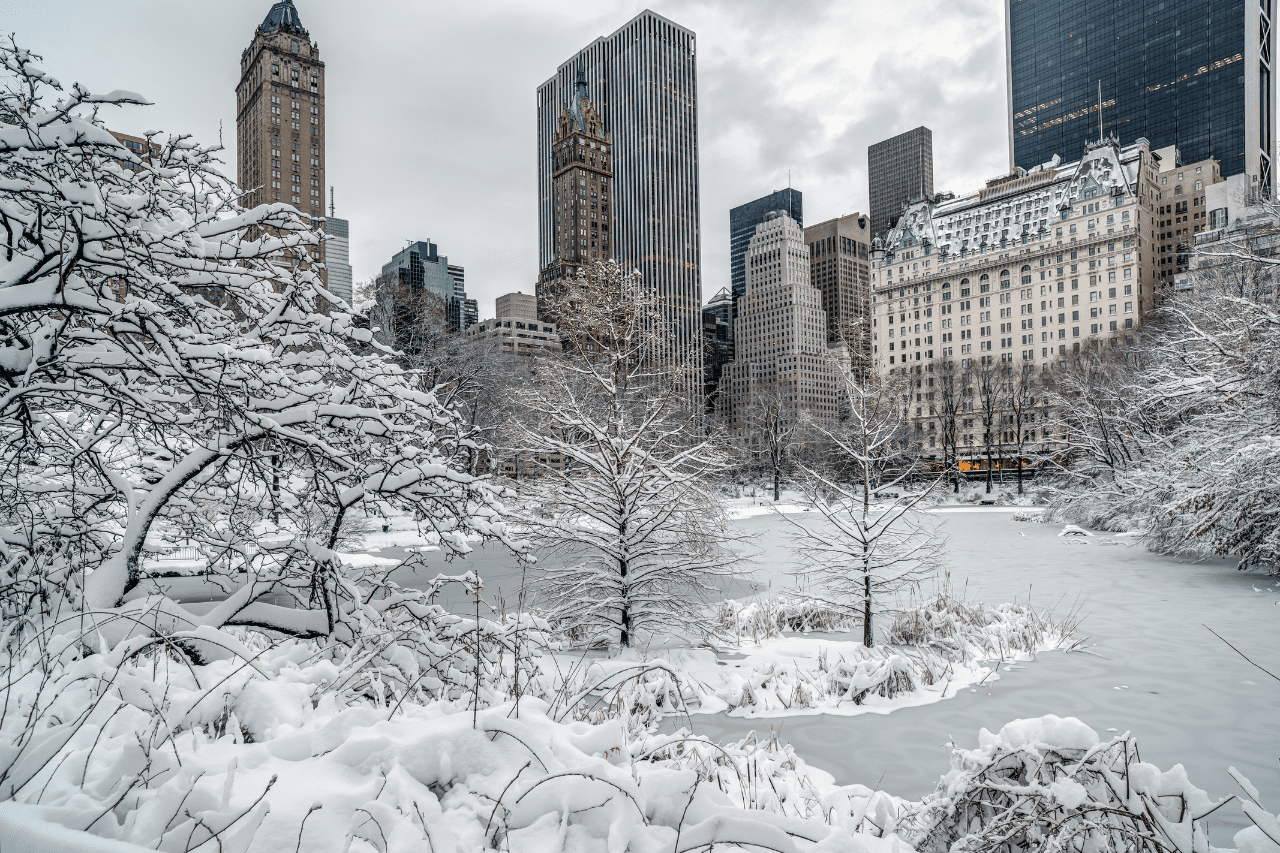
When travelers envision New York City, they often picture the cinematic glow of a Christmas tree in Rockefeller Center or the crisp, biting air of a walk through Central Park. Winter in this metropolis is a sensory experience defined by its unique climate, where the transition from late autumn hues to the stark, elegant white of winter provides a dramatic backdrop for the city’s vibrant culture. Understanding the snow patterns of the United States most famous city is essential for any visitor planning a winter getaway, as the weather plays a defining role in how you experience the boroughs.
The Seasonal Snowfall Statistics of the Big Apple
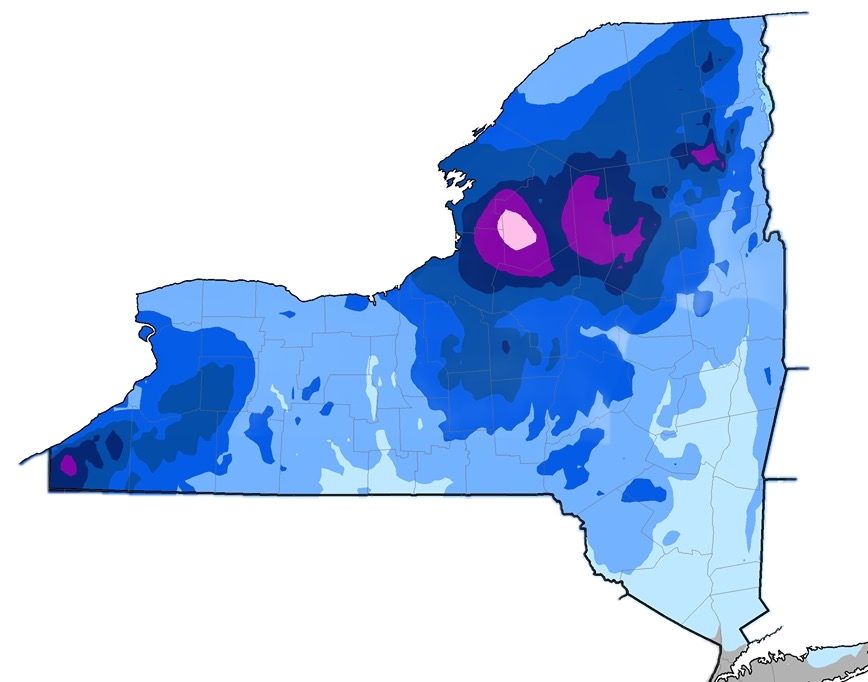
While the media often portrays New York as a place buried in drifts, the reality is more nuanced. On average, the city receives approximately 25 to 30 inches of snow per winter season. However, this is a highly variable statistic. Climate patterns, particularly the North Atlantic Oscillation, can result in winters that range from remarkably mild with only a few dustings to intense seasons that deliver significant, record-breaking accumulations.
Monthly Distribution and Trends
Snow in the city typically begins to appear in December, though it is rarely the centerpiece of the month. Most travelers will find that the heaviest accumulations occur in January and February. During these mid-winter months, the temperatures drop sufficiently to allow for accumulation, turning the concrete canyons into a temporary wonderland. March occasionally brings a “farewell” storm, but by then, the city’s rapid pace and urban heat island effect usually ensure that the white covering vanishes quickly from the streets.
The Impact of Urban Heat
One of the most fascinating aspects of snowfall in Manhattan is the urban heat effect. The density of buildings, the high volume of traffic, and the vast infrastructure of underground subways and steam pipes keep the city surface warmer than the surrounding suburban areas like Long Island or New Jersey. Consequently, snow that blankets the suburbs may fall as sleet or cold rain in the heart of the city, or melt upon contact with the pavement. For visitors, this means that while the rooftops and monuments may look pristine, the sidewalks are often clear of deep snow within hours of a storm ending.
Navigating the City During Winter Storms
Visiting during a snow event is not a cause for alarm; rather, it is a testament to the city’s incredible efficiency. New York City is perhaps the most well-equipped municipality in the world to handle heavy winter weather. The Department of Sanitation operates a sophisticated fleet of plows and salt spreaders that work around the clock to ensure that the arteries of the city remain open.
Public Transportation Resilience
The Metropolitan Transportation Authority is the lifeline of the city. During snowstorms, elevated train lines may experience minor delays, but the vast majority of the subway system remains operational. If you are staying in Brooklyn or Queens, you can rest assured that your ability to reach Times Square or the Museum of Modern Art will likely remain intact. Always check the official website for real-time updates, but rarely does the city grind to a complete halt because of snowfall.
The Beauty of a Snowy Walk
For the seasoned traveler, a snow-covered city provides photographic opportunities that are simply unmatched. A visit to the Brooklyn Bridge during a light snowfall is one of the most romantic experiences available. The suspension cables dusted in white against the skyline create a silhouette that has inspired photographers for a century. Similarly, The High Line offers a unique vantage point to see the city’s architecture muted by the falling snow, providing a quiet reprieve from the usual urban intensity.
Essential Tips for the Winter Traveler
Preparation is the key to enjoying New York during its coldest months. The temperature rarely stays below freezing for long, but the wind chill—especially when walking between skyscrapers—can be punishing.
Packing Strategy
To truly enjoy the city in winter, you must adopt the “layering” philosophy. A high-quality, water-resistant outer coat is non-negotiable. While you might want to look fashionable for dinner at a Fifth Avenue bistro, ensure your footwear is practical. Leather soles are treacherous on salted, slushy sidewalks. Invest in boots with high-traction rubber soles to ensure your safety as you navigate the city streets.
Indoor Attractions for Cold Days
If the mercury drops too low or the wind becomes too biting, the city offers an endless supply of world-class indoor culture. When the snow begins to fall, head toward the American Museum of Natural History or spend a quiet afternoon in the New York Public Library. These institutions are not only architectural marvels but also serve as the perfect sanctuary from the elements. Engaging with the city’s history and art is just as rewarding when viewed through a frost-covered window as it is on a sunny day.

Embracing the Seasonal Charm
Ultimately, the amount of snow New York receives should be viewed as a seasonal accessory rather than a logistical hurdle. Whether it is a light dusting that sparkles under the Empire State Building lights or a more significant event that slows the pace of the city, snow adds a layer of character to the urban landscape.
Travelers who embrace the cold find that the city becomes slightly more intimate. The lines at famous destinations are shorter, the hotel rates can be more competitive, and there is an undeniable camaraderie among those sharing the streets during a winter storm. When you plan your visit, do not look at the weather forecast with dread. Look at it as an opportunity to see the most vibrant city on Earth in a quiet, contemplative, and ethereal state.
From the ice skating rink at Bryant Park to the cozy, dim-lit jazz clubs of Greenwich Village, the winter season invites you to slow down and appreciate the details. New York does not go into hibernation when the snow falls; it simply transforms, offering a version of itself that is as magical as the films that have long celebrated it. Pack your warmest coat, bring your camera, and prepare to witness the transformation of the concrete jungle into a breathtaking winter landscape.
LifeOutOfTheBox is a participant in the Amazon Services LLC Associates Program, an affiliate advertising program designed to provide a means for sites to earn advertising fees by advertising and linking to Amazon.com. Amazon, the Amazon logo, AmazonSupply, and the AmazonSupply logo are trademarks of Amazon.com, Inc. or its affiliates. As an Amazon Associate we earn affiliate commissions from qualifying purchases.