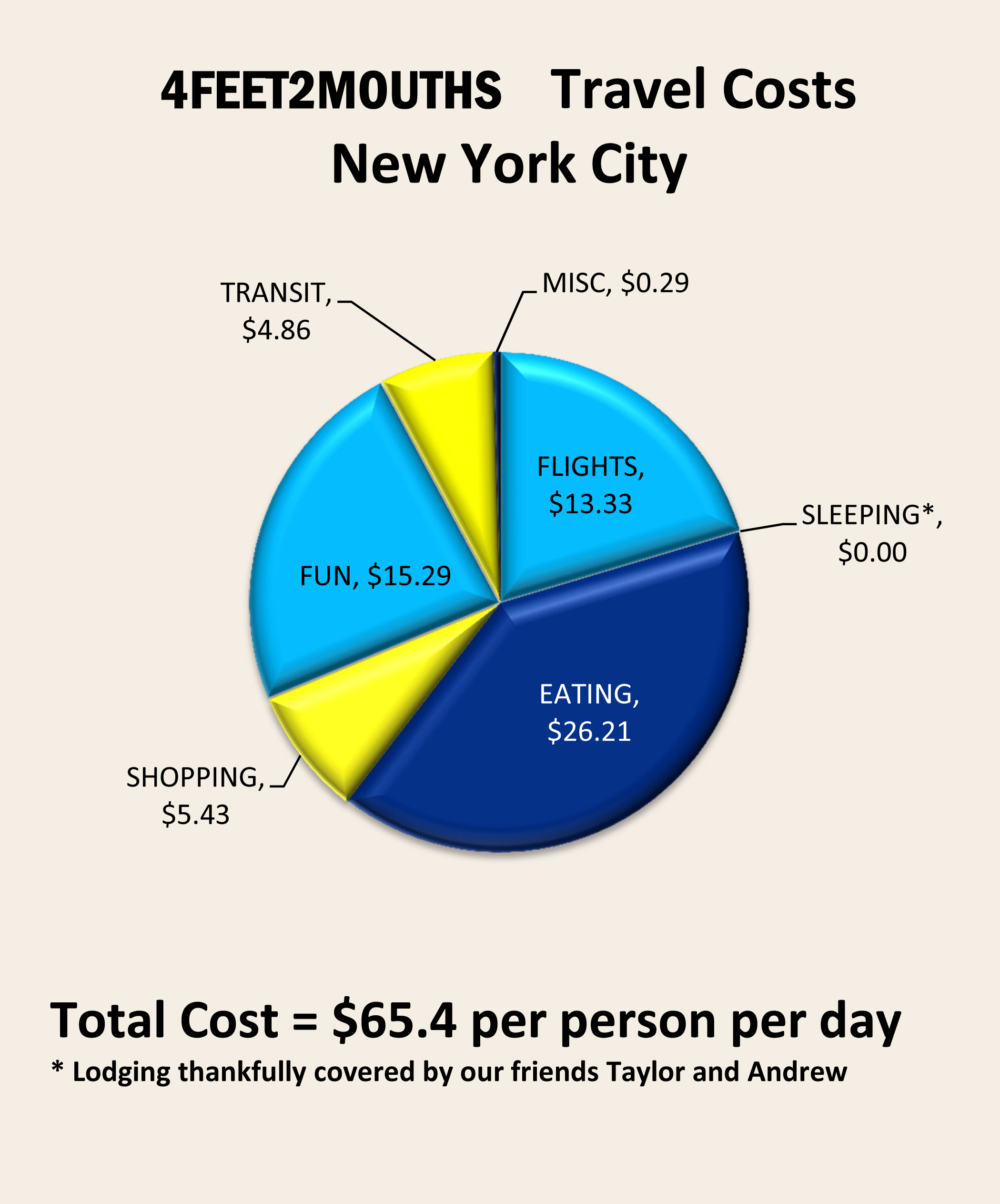
Planning a journey to the “City That Never Sleeps” is an exhilarating endeavor, yet it often comes with a significant degree of financial uncertainty. New York City is a global financial and cultural hub, meaning that while it offers unparalleled experiences, it also demands a strategic approach to budgeting. Whether you are dreaming of a whirlwind weekend or an extended exploration of the five boroughs, understanding the cost breakdown is the first step toward a successful trip.
Estimating Daily Expenses: Budget vs. Luxury
The daily cost of visiting New York depends almost entirely on your preferred travel style. A budget-conscious traveler can navigate the city for significantly less than a luxury seeker, provided they leverage public infrastructure and local insights.
The Budget Traveler Profile
For those looking to stretch their dollars, a daily budget of $150 to $200 is attainable. This includes staying in hostels or budget-friendly hotels in Queens or Brooklyn, utilizing the Metropolitan Transportation Authority subway system, and frequenting casual eateries, food trucks, and iconic pizza parlors. By taking advantage of free attractions like Central Park and the Staten Island Ferry, you can minimize daily outflows without sacrificing the essence of the city.
The Mid-Range Traveler Profile
A mid-range budget of $350 to $500 per day allows for more comfort. This tier typically includes staying in reputable three- or four-star hotels in Manhattan, enjoying sit-down meals at popular bistros, and purchasing a sightseeing pass to access multiple paid attractions. This budget provides the flexibility to mix curated experiences, such as a Broadway show or a guided museum tour, with the freedom to explore neighborhoods at your own pace.
The Luxury Traveler Profile
For those who prioritize exclusivity and high-end service, the sky is the limit. Luxury travel in New York City often entails stays at legendary properties like the The Plaza Hotel or the St. Regis New York, private car services for local transportation, and fine dining at Michelin-starred establishments. For this segment, a daily budget of $1,000 to $2,500+ is common, covering premium amenities and bespoke experiences tailored to personal preferences.
Key Cost Drivers for Your NYC Itinerary
While daily spending is flexible, certain fixed costs represent the largest portion of your travel budget. Planning these in advance is essential for maintaining financial control.
Accommodation Costs
Lodging is historically the most expensive component of any New York trip. Prices fluctuate wildly based on seasonality—peak times like December, during the Macy’s Thanksgiving Day Parade, or the summer high season see rates soar. To mitigate costs, consider booking your stay in neighborhoods with robust public transit links that are slightly outside the immediate city center. Business travelers often flock to Midtown Manhattan, making that area more expensive, whereas Long Island City or Williamsburg often provide better value for money.

Transportation and Accessibility
New York City is one of the few places in the United States where owning a car is a liability rather than an asset. Parking fees are astronomical, and traffic congestion is a constant reality. The most cost-effective way to get around is the subway. Purchasing a weekly unlimited MetroCard or using OMNY tap-to-pay options will keep your transit costs under $40 for an entire week, a small fraction of what you would spend on ride-shares or taxis. If you arrive via John F. Kennedy International Airport or LaGuardia Airport, the AirTrain and local transit connections offer significant savings over private airport transfers.
Dining and Entertainment
Food costs can spiral if you rely solely on dining in Times Square or Rockefeller Center. To optimize your budget, seek out “hidden gems” in residential neighborhoods. The culinary scene in Chinatown or Astoria offers incredible value. When it comes to entertainment, prioritize what truly matters. If you want to see a performance on Broadway, check out the TKTS Booth for same-day discounted tickets. Many of the city’s premier institutions, such as the American Museum of Natural History or the Metropolitan Museum of Art, offer suggested admission for residents of New York State, but visitors should budget for full-priced tickets, which usually range from $25 to $35.
Strategies for Cost-Effective Exploration
Saving money in New York City does not mean missing out. It means traveling smarter. By implementing a few tactical adjustments, you can significantly lower your overhead without reducing your enjoyment of the city’s vast offerings.
Embrace Free Attractions
The beauty of New York lies in its public spaces. A walk across the Brooklyn Bridge provides iconic skyline views without costing a dime. Similarly, spending an afternoon wandering through High Line park or exploring the Grand Central Terminal offers a profound sense of the city’s history and architecture at no expense.
Utilize Sightseeing Passes
If you are a first-time visitor determined to see all the “major” sites—such as the Empire State Building, Top of the Rock, and the 9/11 Memorial & Museum—invest in a multi-attraction sightseeing pass. These passes consolidate entry fees and often save travelers 30% to 50% compared to purchasing individual tickets at the gate.
Timing Your Visit
Seasonality is a major factor in the final cost. If your schedule allows, plan your trip during the “shoulder seasons”—specifically late winter (January to March) or late autumn (October to November). During these months, hotel occupancy drops, and demand for flights to New York City decreases, leading to substantial discounts. Avoiding major holiday weekends will further shield your wallet from surge pricing.
Ultimately, a trip to New York is an investment in an experience that is truly one-of-a-kind. By researching your options, prioritizing the activities that align with your interests, and staying mindful of daily habits, you can craft a memorable itinerary that respects your financial boundaries. Whether you are walking through the urban canyons of the Financial District or picnicking in Prospect Park, the city offers something for every budget level, provided you are willing to plan ahead.