
Transitioning from a visitor to a resident of New York is a dream shared by millions, yet the path to establishing a permanent life in the “City That Never Sleeps” is as multifaceted as the boroughs themselves. Whether you are moving for professional opportunities in the financial sector or seeking the unparalleled cultural tapestry of the arts scene, moving to this iconic metropolis requires strategic planning. Establishing residency is more than just finding a lease; it is about immersing yourself in the logistical, legal, and lifestyle systems that define life in one of the world’s most dynamic urban environments.
Navigating the Housing Market and Establishing a Domicile
The most significant barrier to entry for prospective residents is the competitive and complex real estate landscape. Unlike smaller cities where securing an apartment is a straightforward transaction, New York City operates on a unique set of requirements regarding credit scores, income verification, and guarantor policies.
Understanding the Rental Landscape
Before you can claim residency, you must secure a legal place to live. Most landlords require that a tenant’s annual income be at least 40 times the monthly rent. If you do not meet this threshold, you will likely need a guarantor who makes 80 times the rent, or you may need to look into services that provide institutional guarantors. Navigating platforms that aggregate listings in Manhattan, Brooklyn, Queens, The Bronx, and Staten Island is essential to finding a neighborhood that aligns with your commute and lifestyle.
Defining Your Domicile
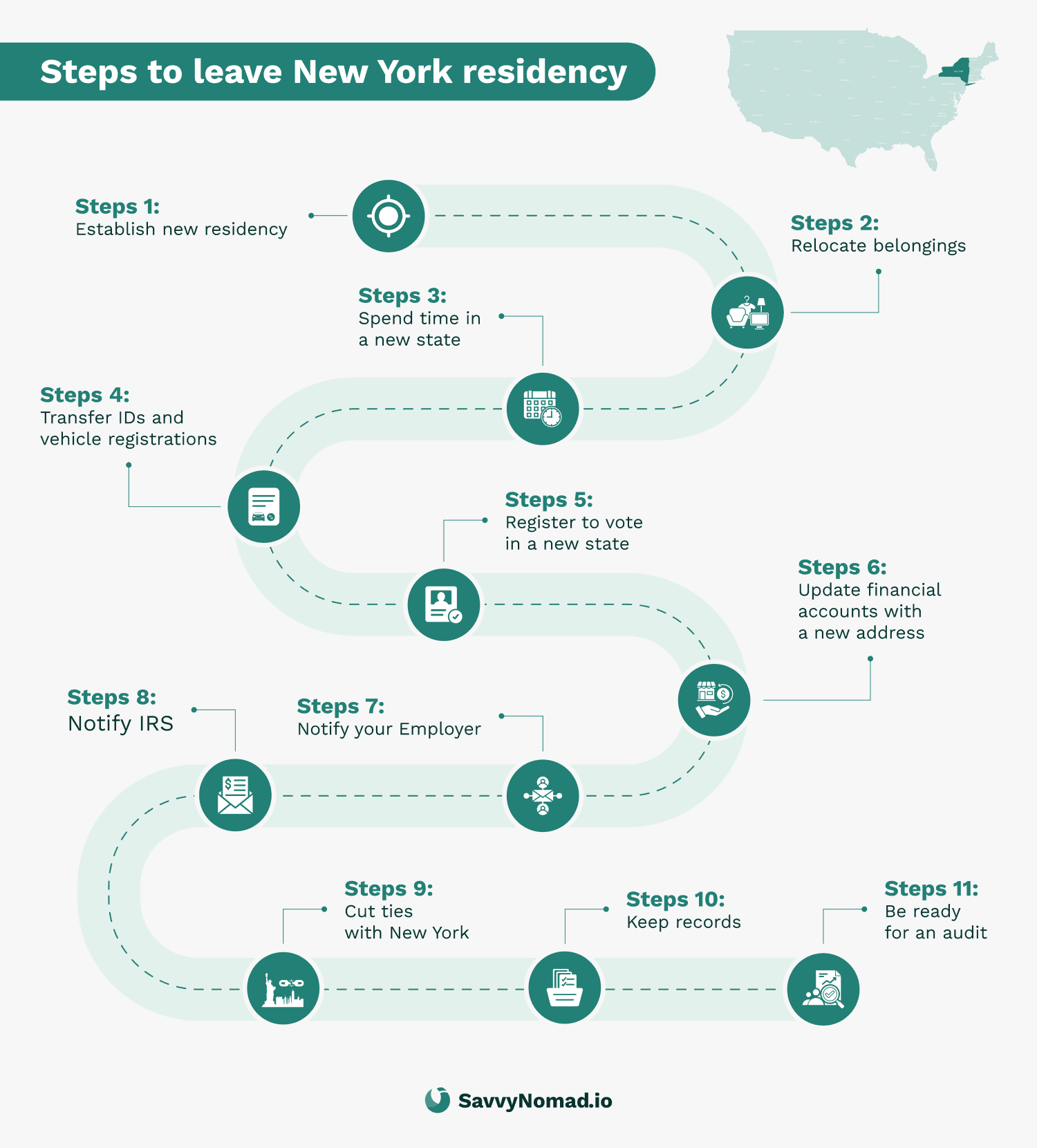
For tax and legal purposes, “residency” is defined by your intent to make a location your permanent home. To officially establish residency in New York State, you must demonstrate that your time spent within the state is not merely transient. This involves updating your voter registration, changing your mailing address with the United States Postal Service, and ensuring that your primary life activities—banking, medical care, and professional filings—are centered within the city.
Legal Requirements and Bureaucratic Essentials
Once you have secured a physical residence, your focus must shift toward the administrative steps required to become a documented resident. These processes ensure that you are compliant with local laws and eligible for the various benefits afforded to citizens and legal residents.
DMV and Identification
A crucial step in signaling your permanent move is updating your government-issued identification. If you are moving from another United States state, you are generally required to exchange your out-of-state driver’s license for a New York State Department of Motor Vehicles license within 30 days of establishing residency. This serves as primary proof of your status and is often required for opening local bank accounts or obtaining residential parking permits.
Tax Obligations
New York City imposes a municipal income tax in addition to state and federal taxes. Understanding your tax liability is a foundational element of residency. As a resident, you are expected to file as such for local income tax purposes. Consulting with a professional who understands the nuances of local tax law is highly recommended to avoid common pitfalls during your first year of residency.

Integrating into the Local Lifestyle
True residency in New York is achieved not just through paperwork, but through the integration into the fabric of the community. The city is a collection of villages, each offering a distinct rhythm, culinary scene, and cultural footprint.
Selecting Your Borough
The character of your daily life depends heavily on your choice of neighborhood. Residents of Upper West Side may enjoy the proximity to Central Park, while those settling in Williamsburg might find themselves closer to the vibrant art galleries and artisanal coffee culture of Brooklyn. Selecting a location that matches your personal interests is vital, as the commute and the local amenities will dictate your satisfaction level more than the apartment itself.
Leveraging Local Resources
To feel like a true local, one must learn to navigate the Metropolitan Transportation Authority system with ease. Beyond the daily commute, familiarize yourself with your local public library branches, which offer invaluable resources for residents, ranging from free museum passes to language classes and community events. Furthermore, participating in neighborhood-specific block associations or community boards can help you establish deep roots in your new home.
Cultural Engagement and Community
The city is home to world-class institutions like the Metropolitan Museum of Art and Lincoln Center. Becoming a resident means moving from the “tourist” mindset—where you visit these locations as a visitor—to a “patron” mindset. Many residents opt for annual memberships, which not only provide financial support to these institutions but also allow for more spontaneous and frequent engagement with the culture that makes the city great.
Maintaining Your Status as a Long-term Resident
Consistency is key to maintaining your residency and maximizing the benefits of city life. The volatility of the local real estate market means that long-term residents must be proactive about their housing situation, lease renewals, and professional growth.
Rent Stabilization and Tenant Rights
One of the most important aspects of staying in New York City is understanding your rights as a tenant. Many apartments fall under rent stabilization laws, which protect tenants from unreasonable rent hikes. Researching whether your building is subject to these protections is a smart move for anyone looking to build a multi-year foundation in a specific neighborhood.
Building a Professional Network
New York thrives on connectivity. Whether you are in finance, technology, design, or the culinary arts, professional residency involves active participation in industry-specific events and networking groups. The density of talent in this city is unmatched; by attending events at venues like Javits Center or local industry hubs, you can solidify your position within your chosen field, ensuring that your stay in the city is not just a brief chapter, but a sustainable career choice.
Health and Wellness in an Urban Setting
Finally, establishing a healthcare team is a critical component of residency. Given the size of the city, identifying primary care physicians and specialists within a reasonable transit radius of your home is essential. Utilizing the extensive New York-Presbyterian Hospital system or other major networks ensures that you have access to the highest tier of care. Taking care of your health is the final pillar in successfully transitioning from someone who visits New York to someone who truly calls it home. By treating the city as a permanent base rather than a temporary stopover, you open yourself up to the myriad opportunities that only this unparalleled urban landscape can offer.
LifeOutOfTheBox is a participant in the Amazon Services LLC Associates Program, an affiliate advertising program designed to provide a means for sites to earn advertising fees by advertising and linking to Amazon.com. Amazon, the Amazon logo, AmazonSupply, and the AmazonSupply logo are trademarks of Amazon.com, Inc. or its affiliates. As an Amazon Associate we earn affiliate commissions from qualifying purchases.