
Navigating the complexities of property management in New York State requires a firm grasp of local housing laws, particularly when dealing with unauthorized occupants. While the term “squatter” is often used colloquially, the legal reality in the United States and specifically within the Empire State involves a nuanced distinction between a squatter and a tenant. For property owners and those managing long-term Accommodation investments, understanding the legal framework is the first step toward reclaiming possession of your premises.
Defining the Legal Status of an Occupant
Before initiating any legal action, a property owner must determine whether the individual in the unit is truly a squatter or a holdover tenant. This distinction significantly changes the procedural path forward.
Squatters vs. Trespassers
In New York, a squatter is generally defined as someone who has moved into a property without the owner’s permission, often with the intention of claiming rights to the space. If the person entered the property illegally and has never paid rent, they may be classified as a trespasser. Under specific circumstances, particularly if the police determine that the entry was unauthorized and recent, law enforcement may be able to remove the individual immediately. However, if the occupant has established a “residency,” the situation shifts from a criminal matter to a civil one, requiring a formal eviction process.
The Threshold of Tenancy
Once an occupant has been in a property for 30 days or more, or if they have received mail at the address, they may have established “tenant rights,” even without a lease. This makes the eviction process considerably more stringent. Attempting “self-help” evictions—such as changing locks, shutting off utilities, or removing belongings—is strictly prohibited and can lead to severe legal penalties for the landlord.
The Legal Process for Eviction in New York
Evicting an unauthorized occupant follows the same rigorous standards as evicting a non-paying tenant. The process is designed to ensure due process, preventing owners from taking rash actions that could infringe upon a person’s rights, regardless of how they entered the unit.
Serving a Notice to Quit
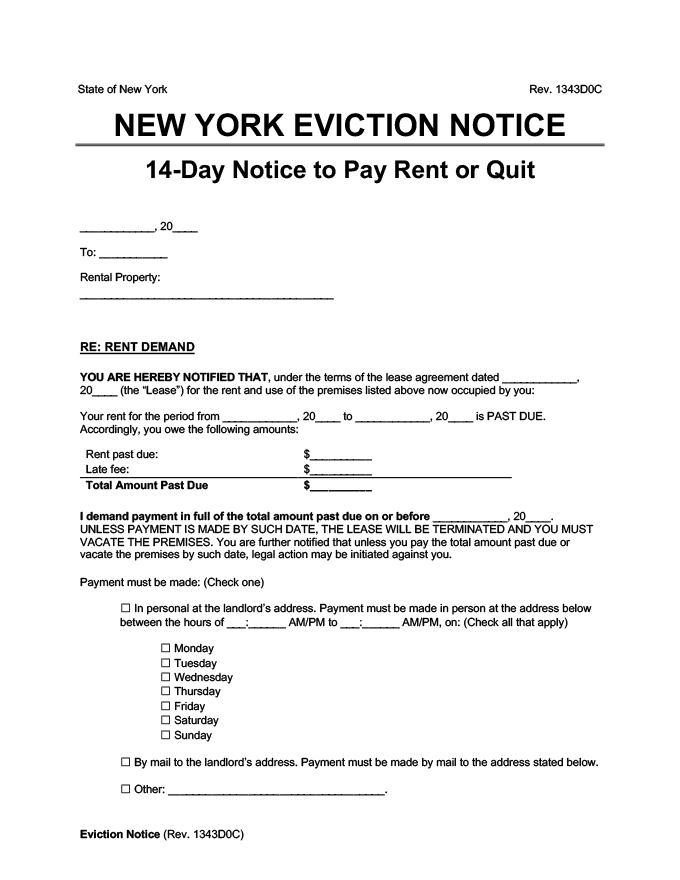
The formal process begins by serving the occupant with a “Notice to Quit.” This is a legal document that formally notifies the individual that they have no right to occupy the premises and must vacate within a specified timeframe. In cases of unauthorized entry, this period is often ten days. This notice must be served according to strict procedural rules, typically involving personal delivery or alternative methods authorized by the court. It is highly recommended to consult with a local attorney to ensure the notice meets all statutory requirements, as any error can lead to a dismissal of the case.
Filing an Eviction Proceeding
If the occupant remains in the Property after the notice period expires, the owner must file a summary proceeding in the Housing Court or the local district court. This involves filing a “Notice of Petition” and a “Petition.” These documents inform the occupant that a legal action has been initiated to regain possession of the unit. The petition must be filed in the county where the property is located, such as Kings County, Queens County, or New York County.
Court Proceedings and Legal Strategy

Once the case is filed, the court will schedule a hearing. This is where the owner must provide evidence that the occupant has no legal right to be on the premises.
Presenting Evidence of Ownership and Status
The burden of proof rests on the property owner. You must provide a valid deed or lease that proves your right to control the property. Documentation regarding the lack of a lease agreement with the occupant is crucial. If the individual claims they were invited, the owner must be prepared to testify that no such invitation occurred or that the invitation was subsequently revoked.
The Role of Mediators and Judges
Many courts encourage mediation to resolve disputes before a formal trial. In some instances, an occupant may agree to vacate voluntarily in exchange for a short grace period. If a settlement is not reached, a judge will hear the arguments. If the judge finds in favor of the property owner, a “Warrant of Eviction” will be issued. It is essential to understand that this warrant does not authorize the landlord to remove the occupant; only a sheriff or a marshal is legally empowered to execute the warrant.
Challenges for Remote Owners and Investors
Managing property from afar, whether you are located in Manhattan or outside the country, increases the risk of unauthorized occupancy. Proactive management is the best defense against these scenarios.
Secure Property Management Practices
For those owning Real Estate as an investment or for seasonal use, vacant units are primary targets. Implementing robust security measures is vital. This includes:
- Routine Inspections: Employing a property manager to visit the unit weekly.
- Advanced Security Systems: Installing smart locks and motion-sensor cameras that alert the owner to unauthorized activity.
- Mail Collection: Ensuring that mail does not pile up, as accumulated mail is often a signal that a property is unattended.
Documenting Every Interaction
Should an unauthorized occupant move into your space, document everything. Keep a log of every conversation, every notice served, and any communication from local law enforcement. In the event of a court proceeding, this paper trail is invaluable. Consistency in your records demonstrates to the court that you are a responsible owner who has followed the law to the letter.
Navigating the Costs and Timeframes
It is important to manage expectations regarding the duration and expense of the eviction process. New York housing courts are notoriously backlogged, and an eviction can take anywhere from several months to over a year, depending on the jurisdiction and the complexity of the occupant’s defense.
Budgeting for Legal Expenses
Retaining an attorney who specializes in Landlord-Tenant Law is an investment. While upfront legal fees may seem significant, the cost of an incorrectly filed eviction—which can be thrown out by a judge and require the process to restart from the beginning—is far higher. Additionally, consider the lost rental income and the potential for property damage during the occupant’s stay.

Understanding Adverse Possession
While rare, property owners should be aware of the concept of “adverse possession.” In New York, if a squatter occupies a property continuously for ten years, pays taxes, and maintains the property in a way that is “open and notorious,” they might theoretically claim legal title. While modern laws make it very difficult to succeed with such a claim, it serves as a stark reminder that property owners must address unauthorized occupancy immediately rather than ignoring it, hoping it will resolve itself.
Reclaiming your property is a serious undertaking that requires patience, legal diligence, and a commitment to following state statutes. By treating the situation as a formal legal matter and avoiding the temptation to resort to extrajudicial measures, you protect your rights as an owner and ensure the eventual return of your Real Estate Asset. Always prioritize professional legal guidance to navigate the specific local requirements of your jurisdiction, as these can vary significantly from one municipality to another across New York State.
LifeOutOfTheBox is a participant in the Amazon Services LLC Associates Program, an affiliate advertising program designed to provide a means for sites to earn advertising fees by advertising and linking to Amazon.com. Amazon, the Amazon logo, AmazonSupply, and the AmazonSupply logo are trademarks of Amazon.com, Inc. or its affiliates. As an Amazon Associate we earn affiliate commissions from qualifying purchases.