
Navigating the bustling streets of New York is an essential rite of passage for every visitor. While the city boasts an extensive subway system, there are moments—late-night returns, heavy luggage, or the simple desire for a scenic view of the Manhattan skyline—where nothing beats the convenience of a traditional yellow cab. Mastering the art of the hail is a skill that separates the seasoned traveler from the bewildered tourist.
Decoding the Yellow Cab: Understanding Signals and Availability
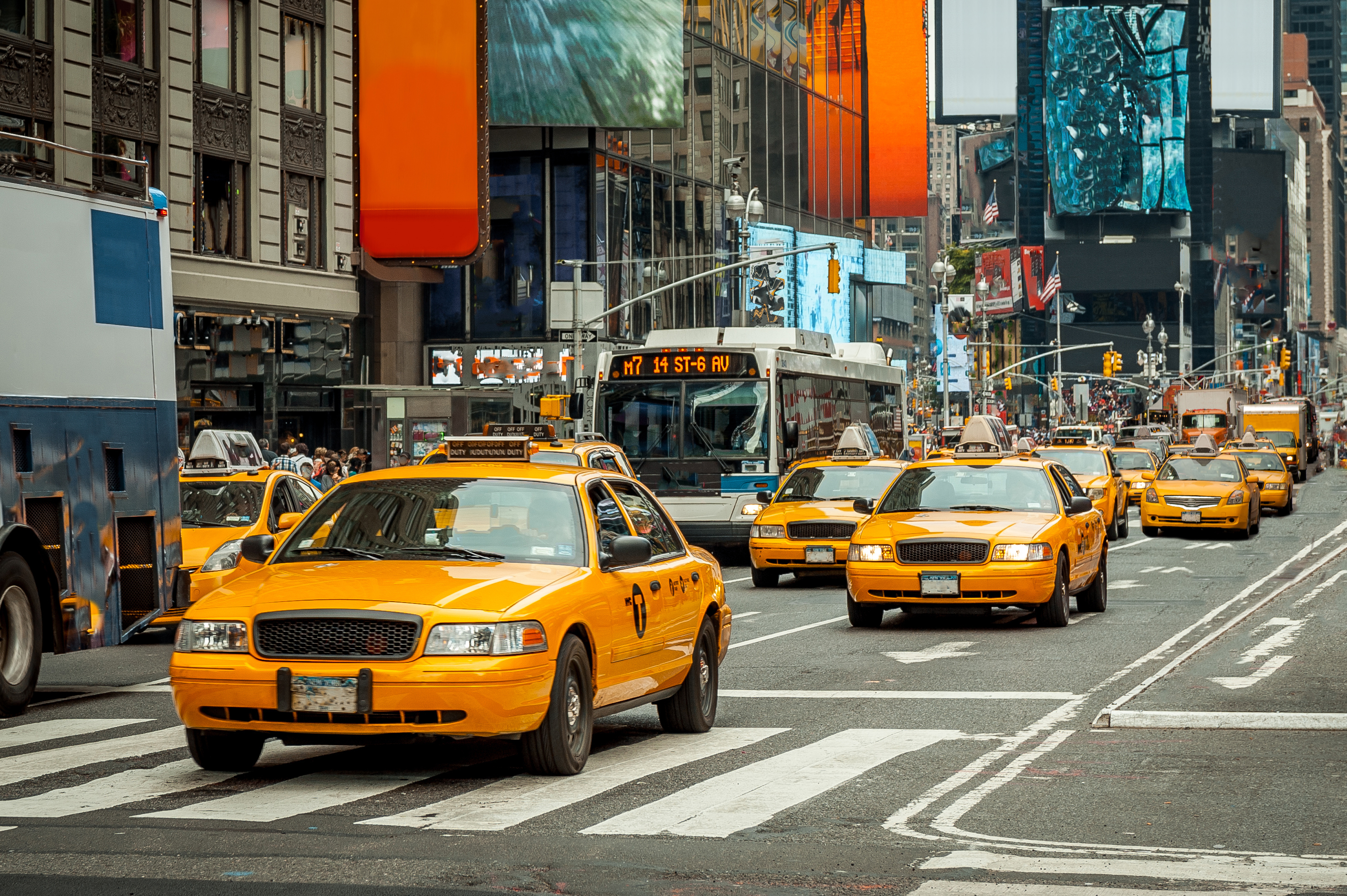
The iconic yellow taxi is a fixture of the United States urban landscape, but knowing how to secure one requires an understanding of their subtle language. The primary indicator of a cab’s availability is the light on the roof, known as the “medallion light.”
Interpreting the Medallion Light
When the center portion of the light is illuminated, the taxi is off-duty or occupied. However, when the entire light is dark, the cab is currently carrying a passenger. The secret to a successful hail lies in looking for the cab where only the side numbers are lit; this signifies that the driver is on-duty and seeking a fare. If the lights are completely dark, the driver is likely on a break or heading toward the end of their shift.
Positioning for Success
Where you stand matters just as much as when you signal. In New York City, it is illegal for taxis to pick up or drop off passengers in crosswalks or near bus stops. To maximize your chances, position yourself at a corner, but ensure you are standing slightly past the intersection. This allows drivers coming from different directions to see you clearly without violating traffic regulations. Avoid trying to hail a cab in front of major landmarks like the Empire State Building during rush hour; instead, walk a block or two away from the heavy pedestrian traffic to find a driver who isn’t already inundated with requests.
The Art of the Hail: Signaling Like a Local
Many visitors make the mistake of waving their arms frantically. This is unnecessary and often ineffective. Professional New York commuters use a precise, confident gesture.
The Professional Technique
Stand firmly on the curb with your body slightly angled toward the street. Extend your arm fully, but keep your hand flat and raised at eye level. By making eye contact with the driver as they approach, you signal intent and confidence. A quick, subtle nod once the driver acknowledges you is sufficient to let them know you are ready for a ride.
Dealing with Competing Commuters
In high-traffic areas like Times Square or near Grand Central Terminal, you may find yourself competing with others for the same vehicle. If you arrive at the corner first, stand your ground. However, if the area is overwhelmingly crowded, consider walking toward the direction of the traffic flow—taxis will often scan the block ahead for potential passengers before reaching the most congested clusters of tourists.

Essential Etiquette and Safety Protocols
Once you have successfully hailed your cab, the transition from street to seat should be smooth and efficient. Being prepared ensures a pleasant experience for both you and the driver.
Entering and Exiting
Always enter the taxi from the curbside door for your own safety. Stepping into the street in Midtown Manhattan is dangerous due to the unpredictable nature of bike messengers and delivery vehicles. Once inside, be prepared with your destination. While many drivers are well-versed in the city’s geography, having an intersection or a specific address in mind is always better than simply naming a neighborhood or a broad attraction.
Payment and Tipping Culture
Every yellow cab is required to accept credit cards, and you will find a payment terminal located in the back seat. Simply follow the prompts on the screen to finalize the fare. Tipping is standard practice in North America. A tip of 15% to 20% is customary, depending on the service and the helpfulness of the driver. If you have significant luggage, it is also courteous to tip a bit more to acknowledge the physical effort of loading and unloading.
Knowing Your Rights
You have the right to request the use of the air conditioning, a specific route, or that the driver refrain from using their radio. However, remember that New York City traffic is highly variable. If a driver suggests a route to avoid construction near Central Park, it is usually in your best interest to heed their local expertise. Most drivers want to get you to your destination quickly so they can move on to their next fare; they are your best allies in navigating the gridlock.
Modern Alternatives and Considerations
While the traditional yellow cab remains the king of the streets, the landscape of transportation in New York has evolved.
The Rise of Digital Apps
If you find yourself in an outer borough or a less-trafficked area of Brooklyn, you may struggle to find an available yellow cab. In these instances, ride-sharing applications have become an invaluable tool. These apps provide a digital trail and upfront pricing, which can be beneficial for travelers who prefer to track their ride in real-time.

When to Avoid a Cab
There are times when a cab is actually the slowest way to travel. During major events or severe weather, the streets of Manhattan can become paralyzed. In such cases, the New York City Subway is significantly more reliable. If you are heading from the Financial District to the Upper West Side during the evening rush, you might find that you arrive faster by train than by road. Always check a transit app before committing to a cab; if the map shows heavy red congestion lines across your entire route, the subterranean option will likely be your best bet.
By understanding the rhythms of the city and following these fundamental tips, you will find that navigating New York becomes less of a chore and more of an integrated part of your local experience. Whether you are heading to a show on Broadway or meeting friends for dinner in SoHo, the yellow cab remains an iconic, efficient, and thoroughly classic way to travel through the greatest city in the world.
LifeOutOfTheBox is a participant in the Amazon Services LLC Associates Program, an affiliate advertising program designed to provide a means for sites to earn advertising fees by advertising and linking to Amazon.com. Amazon, the Amazon logo, AmazonSupply, and the AmazonSupply logo are trademarks of Amazon.com, Inc. or its affiliates. As an Amazon Associate we earn affiliate commissions from qualifying purchases.