
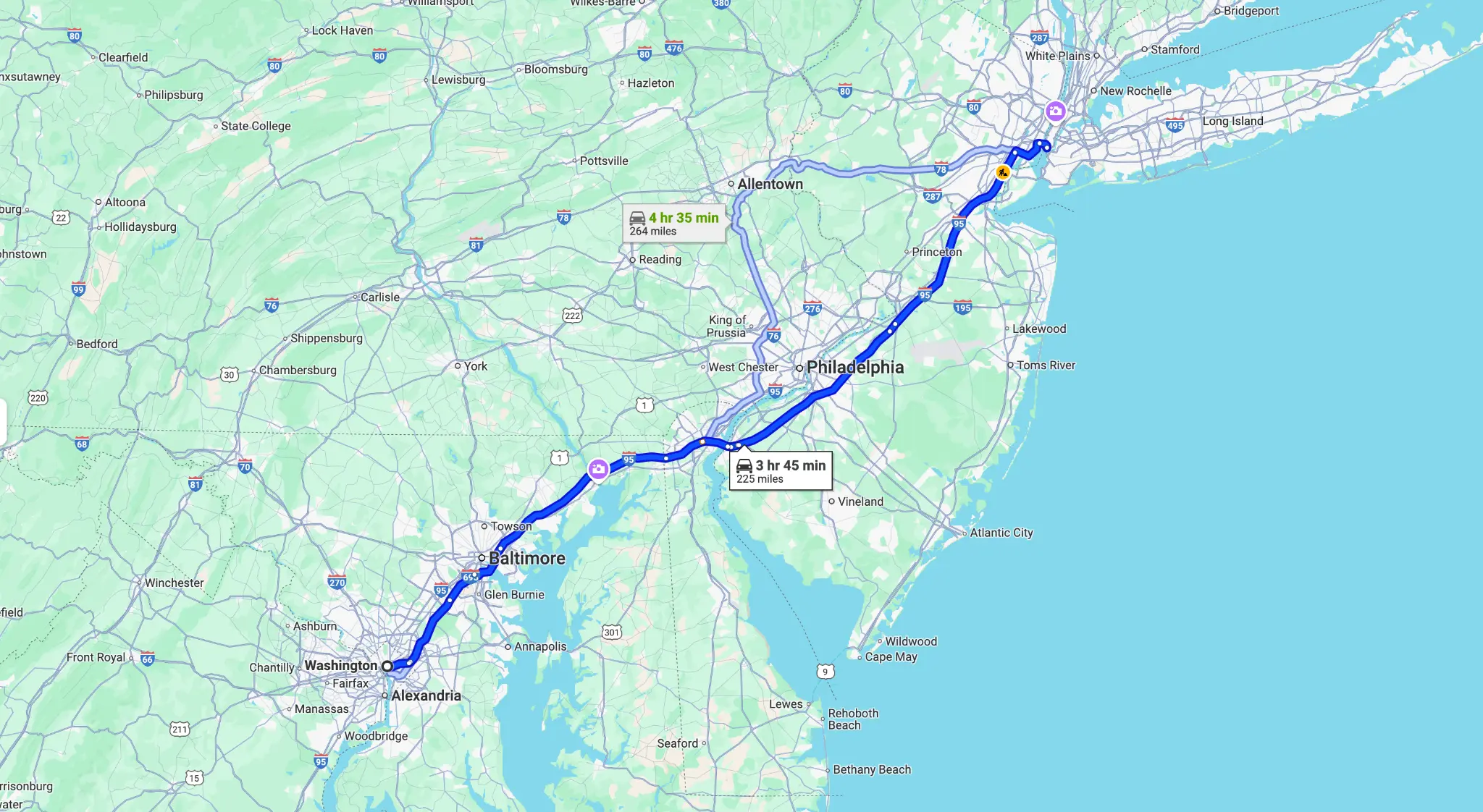
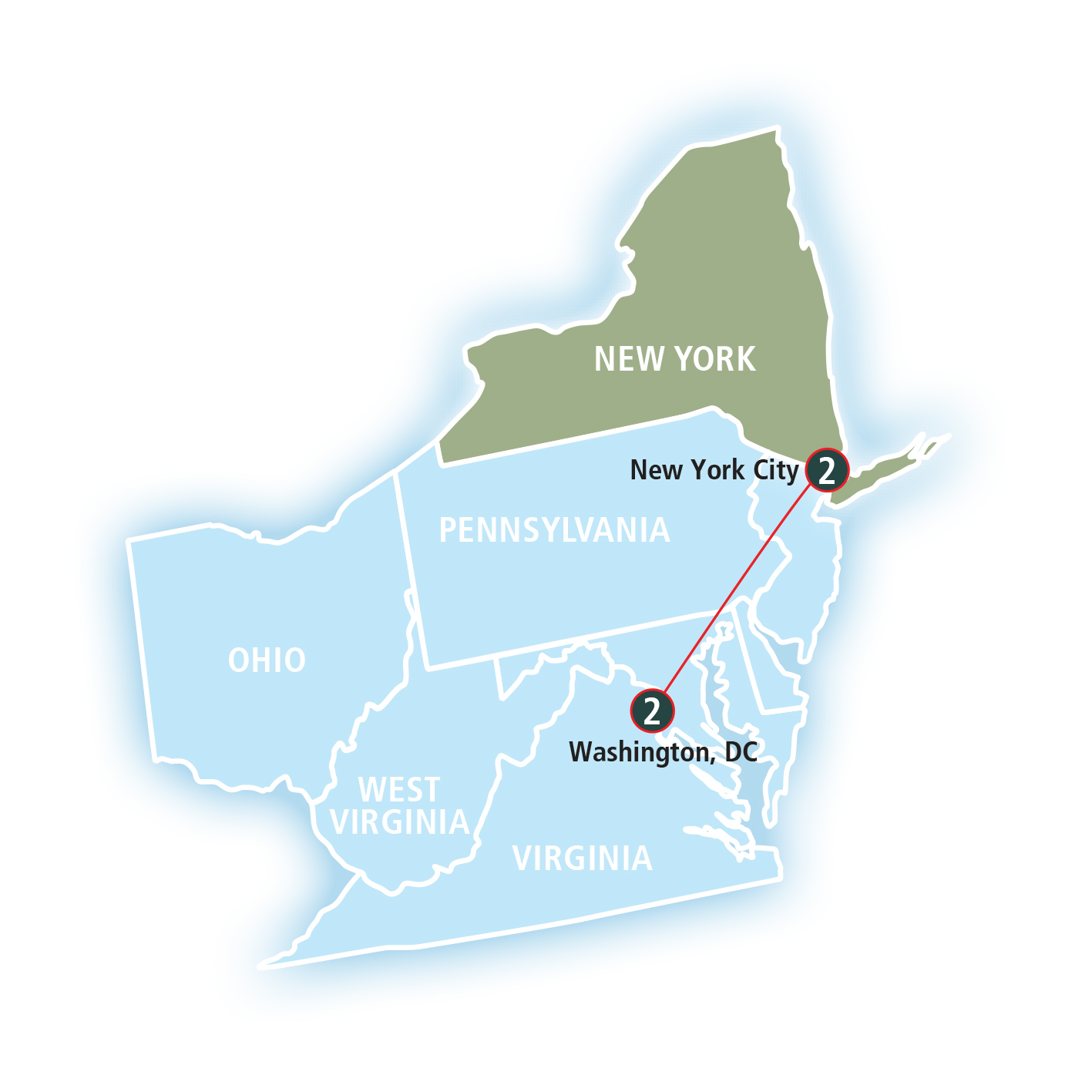
Traveling between the two most influential hubs of the United States, New York and Washington DC, is a rite of passage for many travelers, business professionals, and history enthusiasts. Spanning approximately 225 miles, this corridor is one of the most heavily trafficked routes in the nation. Whether you are looking for speed, budget-friendly options, or a scenic journey through the East Coast, understanding your transport options is key to a seamless trip.
Traveling by Train: The Preferred Route
For many, the train is the gold standard for travel between these two major metropolitan areas. It avoids the unpredictability of highway traffic and the lengthy security procedures associated with air travel.

Amtrak Services
Amtrak serves as the backbone of travel between New York City and the District of Columbia. The high-speed Acela train offers the quickest service, whisking passengers from Moynihan Train Hall at Penn Station to Union Station in roughly 2 hours and 50 minutes. It is a favorite among business travelers due to the increased legroom, reliable Wi-Fi, and quiet cars that allow for productive work time.
Northeast Regional Options
If you prefer a more economical choice, the Northeast Regional train provides a consistent alternative. While it makes more stops than the Acela Express, the price point is often significantly lower if booked in advance. The journey generally takes between 3 hours and 30 minutes to 4 hours. Passengers can enjoy the changing landscapes of New Jersey, Pennsylvania, Delaware, and Maryland from the comfort of their seats.
Traveling by Bus: The Budget-Conscious Choice
For those looking to keep costs low, bus travel remains a staple of the Northeast Corridor. With numerous carriers operating daily routes, you can often find tickets at a fraction of the cost of a train or flight.
Major Carriers and Amenities
Several companies operate frequent departures throughout the day and night. Megabus, FlixBus, and Greyhound are the primary operators, offering services from various curbside locations in Manhattan. Modern buses typically feature power outlets, free Wi-Fi, and reclining seats, making the 4-to-5-hour trip manageable.
Important Considerations for Bus Travel
While affordable, bus travel is highly susceptible to traffic conditions. Navigating the Lincoln Tunnel or the highways surrounding Baltimore can lead to delays during rush hour. If you choose this method, it is best to aim for mid-day or late-night departures to minimize the time spent sitting in congestion. Always ensure you verify your specific departure point, as many bus operators use different street-side stops rather than centralized bus terminals.
Traveling by Air: Speed vs. Logistics
Flying between LaGuardia Airport or John F Kennedy International Airport and Ronald Reagan Washington National Airport is an option, though it requires a nuanced cost-benefit analysis.
Flight Duration vs. Total Travel Time
The actual flight time is often as short as 60 to 75 minutes. However, when you factor in traveling to the airport, the mandatory security check-in at TSA checkpoints, boarding processes, and potential tarmac delays, the “door-to-door” time often rivals the train.
Airports and Convenience
Reagan National Airport is highly prized for its proximity to downtown Washington. Once you land, a short ride on the Washington Metro can place you in the heart of the city in minutes. New York airports, conversely, are notorious for their distance from the city center and the complexity of accessing them. Unless you have airline miles to burn or reside near an airport, the train is frequently a more stress-free experience.
Driving: Flexibility and Scenic Routes
Driving your own vehicle or renting a car offers the greatest degree of flexibility. You can determine your own departure time, make spontaneous stops in historic towns like Philadelphia, and bring as much luggage as you desire.
Navigating the Highways
The most direct route involves taking Interstate 95, a massive artery that connects the entire East Coast. While convenient, this highway is heavily tolled and often congested. Using a GPS navigation app is essential to avoid the worst traffic pockets around Wilmington or Trenton.
Parking and Logistics
Before deciding to drive, consider the parking situation at your destination. Parking in Washington DC can be both scarce and expensive, especially if you are staying near the National Mall or Capitol Hill. If you only plan to stay for a weekend, look for hotels that offer valet services or explore public transit options once you arrive, as you likely won’t need a vehicle to traverse the downtown area.
Essential Tips for a Seamless Journey
Regardless of the mode of transport you select, a few golden rules will ensure your trip between New York City and Washington DC is as smooth as possible.
- Book in Advance: Whether you are opting for the Amtrak or a budget bus, prices fluctuate wildly based on demand. Booking at least two weeks in advance can save you substantial money.
- Mind the Rush Hours: The transit corridors between these two cities are notorious for congestion during weekday rush hours (7:00 AM – 9:00 AM and 4:00 PM – 7:00 PM). Avoid these times if you are traveling by road.
- Weather Awareness: The Mid-Atlantic region experiences unpredictable weather, particularly in winter. If you are traveling during months prone to snow or heavy rain, the train is generally the most resilient option against weather-related cancellations.
- Stay Connected: Regardless of the mode of transport, ensure your mobile device is fully charged. Even with onboard power, having a portable power bank is a smart addition to your travel kit, especially for navigation upon arrival.
- Embrace the Journey: Traveling between these two cities provides a unique look at the history of the United States of America. From the industrial landscapes of the Rust Belt fringes to the historic charm of the Mid-Atlantic, there is much to appreciate if you take the time to look out the window.
Choosing how to get from New York to Washington DC is ultimately about personal preference and your specific priorities for the trip. If speed and relaxation are your goals, the Amtrak is unmatched. If you are prioritizing your budget, the bus system is the clear winner. By understanding the nuances of each, you can ensure that your transition between these two iconic cities is a pleasant and efficient part of your travel experience.
LifeOutOfTheBox is a participant in the Amazon Services LLC Associates Program, an affiliate advertising program designed to provide a means for sites to earn advertising fees by advertising and linking to Amazon.com. Amazon, the Amazon logo, AmazonSupply, and the AmazonSupply logo are trademarks of Amazon.com, Inc. or its affiliates. As an Amazon Associate we earn affiliate commissions from qualifying purchases.