
Entering the workforce as a minor in New York is a significant milestone that signifies the transition toward independence and professional responsibility. Whether you are seeking a summer job at a local café, a retail position in Manhattan, or an internship in Brooklyn, the state mandates strict compliance with labor laws designed to protect your education and well-being. Obtaining employment certification—commonly referred to as “working papers”—is a mandatory prerequisite for anyone under the age of 18 who wishes to be employed within the state.
Understanding the Eligibility and Requirements
In New York State, working papers are not merely a formality; they are a legal assurance that the minor is physically fit for employment and that their academic performance remains a priority. The process is centralized through the school system, ensuring that your path toward professional experience does not jeopardize your fundamental right to an education.

Who Needs Employment Certificates?
If you are under 18 years of age and not yet a high school graduate, you are required to hold an employment certificate. These are divided into two primary age categories:
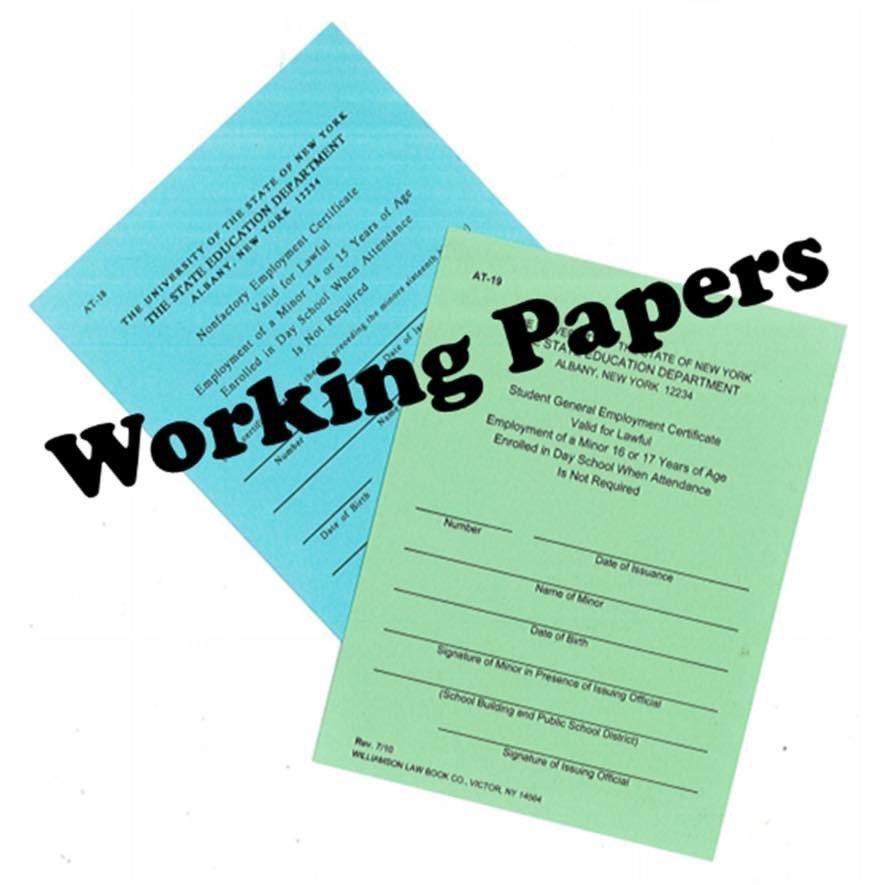
- Student General Employment Certificate (Blue Card): Issued to minors aged 14 and 15. This allows for employment during school hours (if in a work-study program) or outside of school hours.
- Student Non-Factory Employment Certificate (Green Card): Issued to minors aged 16 and 17.
It is important to note that even if you are a minor living in New York City but attending school in another jurisdiction, you generally apply through the school you currently attend. This connection between the school district and the employment authorization ensures that administrators can monitor the total impact of employment on a student’s life.
Required Documentation
To secure your papers, you must present specific documentation to your school’s guidance office or the designated issuing official. Prepare the following items in advance:
- Proof of Age: A birth certificate, passport, or driver’s license serves as legal proof.
- Parental Consent: Most school districts require a signature from a parent or legal guardian on the application form.
- Certificate of Physical Fitness: A doctor must verify that you are physically capable of performing the job duties. This can be a form signed by your family physician or a school-based health center practitioner. If you have had a physical within the last 12 months, your doctor can often provide the necessary documentation without a new exam.
The Application Process: Step-by-Step
Navigating the bureaucracy of a major hub like New York might seem daunting, but the procedure is structured for efficiency. By following a logical sequence, you can transition from applicant to employee in just a few days.
Contacting Your School Administration
The school is the primary hub for this process. If you attend a public school in Queens or The Bronx, head to the main office or the guidance department. Private school students should visit their school’s administrative office. For those who are homeschooled or do not attend a local school, the superintendent of the school district where you reside is responsible for issuing the documents.
Completing the Application
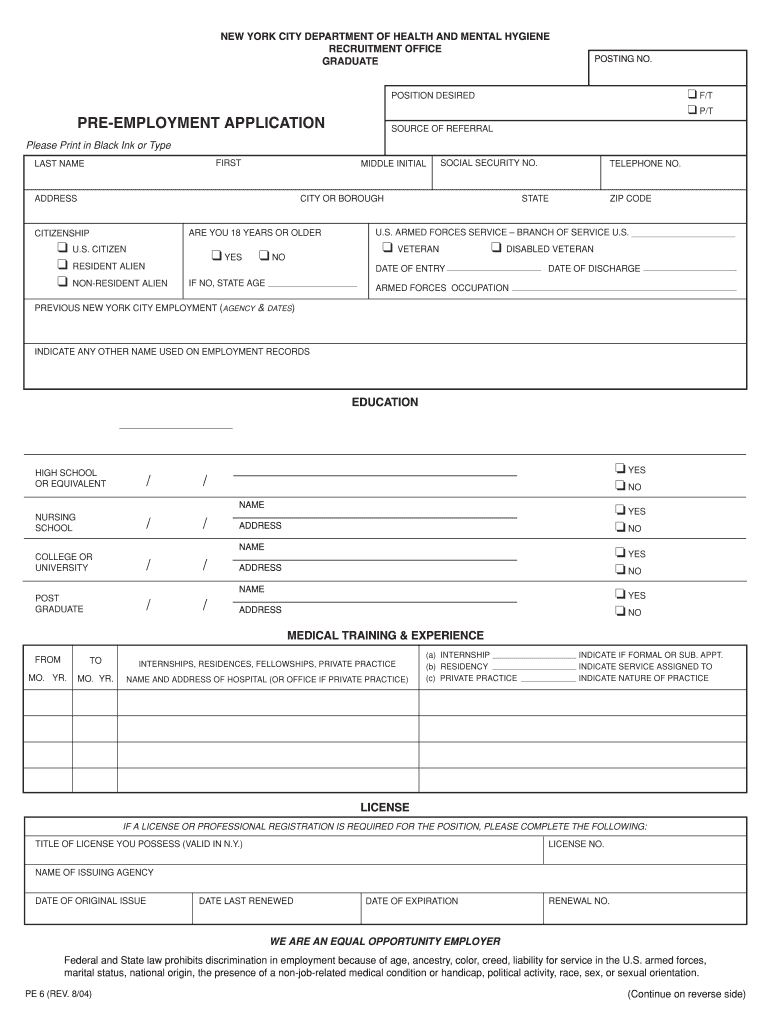
Once you obtain the AT-17 application form, fill it out completely. You will need:
- Personal Information: Name, address, and date of birth.
- Employment Details: While you do not need a specific job offer to obtain general working papers, some specific industry permits might require employer information.
- Verification: Ensure your parent or guardian signs the form. Missing signatures are the most common cause for delays in the issuance of permits.
The Physical Examination
A physical exam is a non-negotiable step. The goal is to ensure that the work you are applying for—whether it be stocking shelves in Staten Island or office administrative tasks—does not pose a health risk. You can usually schedule this at your personal clinic or through the school nurse if New York City Department of Education clinics are available to your specific school.
Labor Laws and Safety Regulations for Minors
Once you have your papers in hand, you enter a protected class of workers. The state of New York takes the labor rights of minors seriously, enforcing specific restrictions on hours and types of work.
Hours of Work Restrictions
For minors aged 14 and 15, the hours are strictly regulated to ensure sufficient rest and study time:
- During school weeks: You cannot work more than 3 hours on a school day, or 18 hours per week.
- Non-school weeks: You may work up to 8 hours per day, but not more than 40 hours per week.
- Evening restrictions: Work must generally stop by 7:00 PM during the school year, though this extends to 9:00 PM during the summer months.
For 16 and 17-year-olds, the rules are slightly more lenient, allowing for more flexible scheduling, but employers must still adhere to limits regarding late-night shifts before school days.
Prohibited Occupations
Safety is paramount. Minors are prohibited from operating dangerous machinery, working in construction sites involving heavy equipment, or performing tasks that involve exposure to hazardous chemicals. Whether you are working at Central Park or a local library, your tasks should be age-appropriate and supervised. If you ever feel that your duties are crossing the line into unsafe territory, you have the right to consult with your school counselor or the New York State Department of Labor.
Maintaining Your Professional Standing
Getting the papers is only the first step. To maintain your ability to work, you must keep your academic standing in check.
Why Grades Matter
In some cases, schools reserve the right to revoke working papers if a student’s grades drop significantly or if attendance becomes inconsistent. This policy is designed to reinforce the idea that work is a supplement to your primary duty as a student. If you plan on working in a fast-paced environment like Times Square, ensure that you have the time management skills to balance your shifts with your homework load.
Employer Responsibilities
Your employer is also held to a high standard. They are required to keep your working papers on file at the place of business. They cannot legally allow you to work without them. If an employer asks you to work without the proper documentation, it is a red flag that they are not following state labor laws. Always ensure your paperwork is processed correctly before your first shift begins.
Renewal and Transition
If you move to a different city within New York State, such as relocating from Albany to Buffalo, you may need to update your records. Always notify your school if your personal information changes or if you are moving to a new school district. Once you turn 18 or graduate from high school, you will no longer need these certificates, as you will transition into the general adult labor force.
Working as a minor is an excellent way to gain financial literacy, develop professional soft skills, and learn the value of a dollar. By obtaining your working papers through the proper, regulated channels, you are setting a foundation for a successful and legal professional career in New York. Take pride in the process, prioritize your education, and enjoy the independence that comes with your first paycheck.
LifeOutOfTheBox is a participant in the Amazon Services LLC Associates Program, an affiliate advertising program designed to provide a means for sites to earn advertising fees by advertising and linking to Amazon.com. Amazon, the Amazon logo, AmazonSupply, and the AmazonSupply logo are trademarks of Amazon.com, Inc. or its affiliates. As an Amazon Associate we earn affiliate commissions from qualifying purchases.