
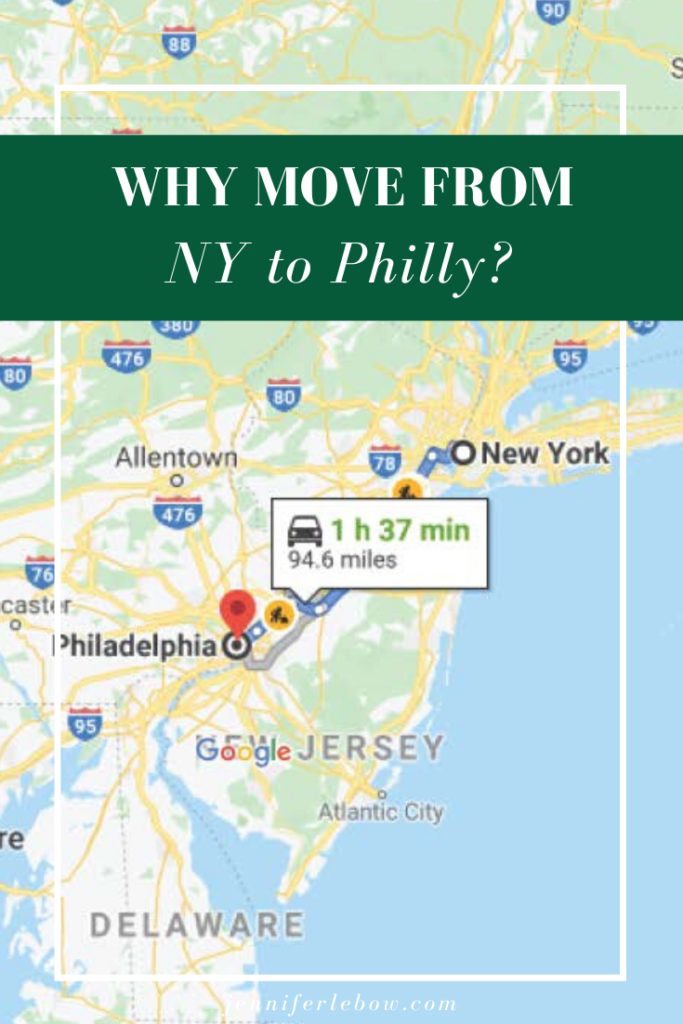
Traveling between Philadelphia and New York is a quintessential Northeast Corridor experience. Separated by a mere 95 miles, these two titans of the American East Coast are deeply interconnected by history, commerce, and culture. Whether you are a business traveler rushing to a meeting in Manhattan or a leisure seeker heading from the City of Brotherly Love to explore the Big Apple, the journey is remarkably straightforward. With various modes of transit available, choosing the right method depends on your budget, time constraints, and personal comfort.
Traveling by Train: The Efficient Standard
For the vast majority of travelers, rail remains the gold standard for navigating the stretch between Pennsylvania Station in New York and William H. Gray III 30th Street Station in Philadelphia.
Amtrak: Speed and Convenience
Amtrak offers the fastest and most seamless connection between the two hubs. The Acela service is the premier choice for those who value time, frequently completing the journey in approximately 70 to 80 minutes. While tickets can carry a premium price tag, the reliability and comfort are unmatched. Alternatively, the Northeast Regional service provides a more economical balance, typically taking about 90 minutes. Both services allow passengers to bypass traffic and arrive directly in the heart of Midtown, steps away from major transit hubs and iconic landmarks.
SEPTA and NJ Transit: The Budget-Conscious Alternative
If you are looking to save money and don’t mind a slower pace, you can utilize a combination of regional rail systems. By taking SEPTA from Philadelphia to Trenton Transit Center, you can transfer to NJ Transit for the remainder of the trip to New York Penn Station. This approach requires more coordination and involves switching trains, but it is a time-tested strategy for commuters and budget travelers who want to avoid the high surge pricing often associated with high-speed rail.
Navigating by Road: Cars, Buses, and Flexibility
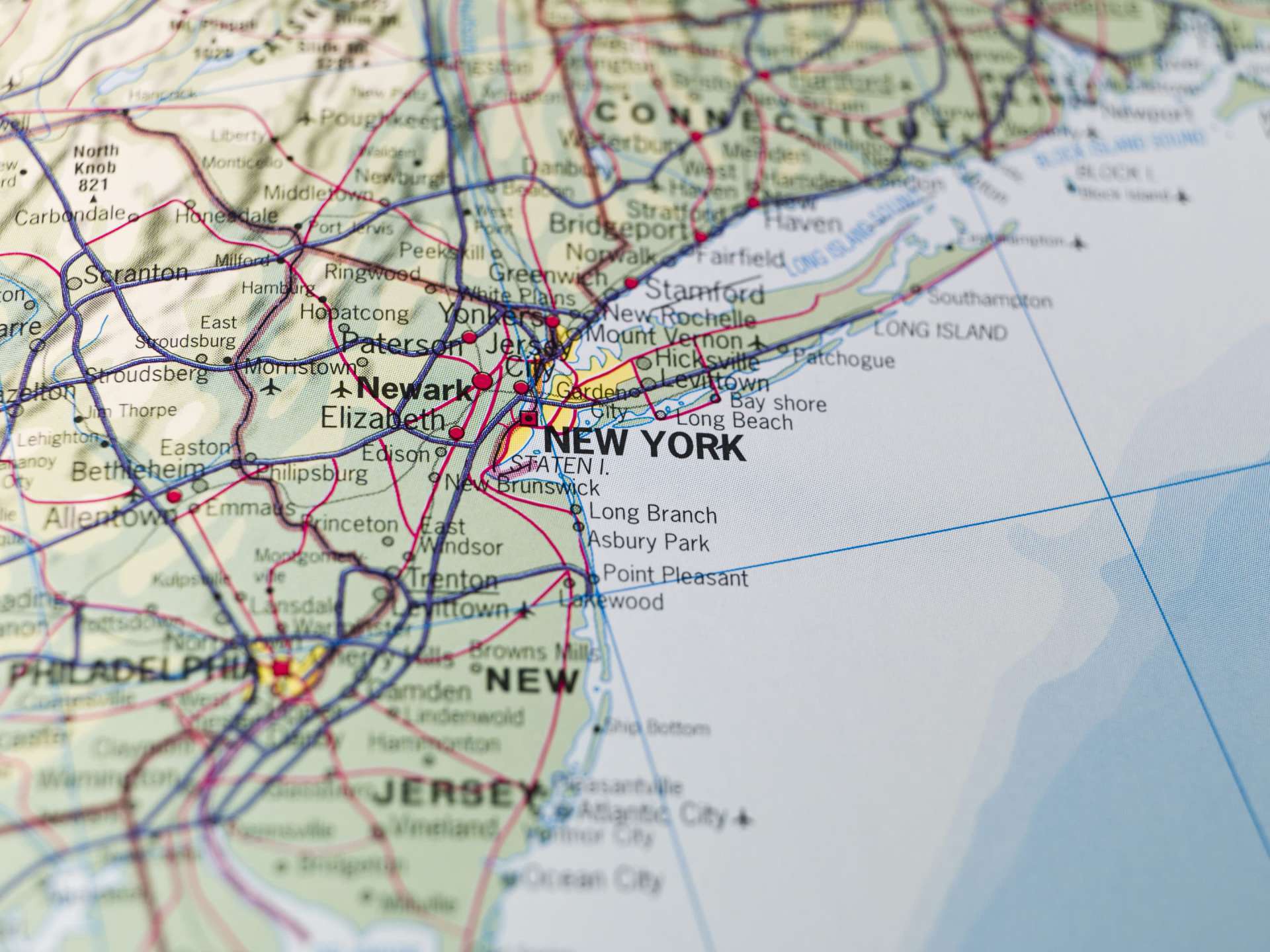
Driving or taking a bus offers its own set of advantages, particularly if you are traveling with a group or have significant luggage. However, it is essential to account for the unpredictable nature of traffic on Interstate 95, which serves as the primary artery connecting these two major metropolitan areas.
The Bus Experience
Intercity bus lines, such as Megabus and FlixBus, operate frequent departures from various points in Philadelphia to destinations like Port Authority Bus Terminal. These services are often the cheapest way to travel between the cities. Travelers should be mindful that travel times can vary wildly depending on the time of day and traffic conditions near the Lincoln Tunnel or the George Washington Bridge. During peak hours, a trip that should take two hours can easily stretch to three or more.
Driving Your Own Vehicle
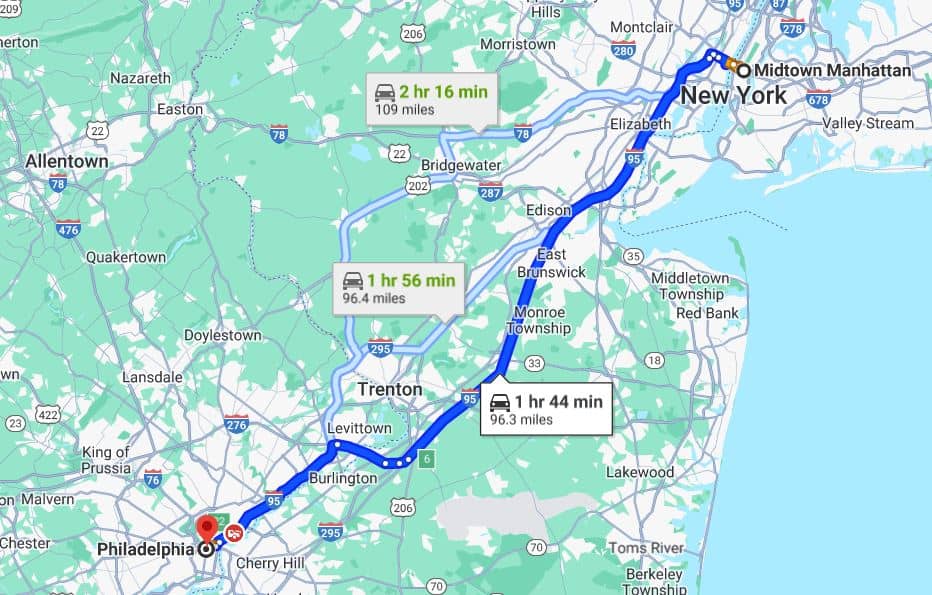
If you prefer the autonomy of your own vehicle, the drive is relatively simple but requires planning regarding parking. Once you arrive in New York City, parking can be prohibitively expensive and difficult to find. If you plan to drive, it is highly recommended to secure a parking garage reservation in advance or choose a hotel that offers dedicated guest parking. The route primarily follows I-95 North, which takes you through New Jersey. Be prepared for tolls, as the New Jersey Turnpike is a heavily tolled highway that remains the most efficient route for private motorists.
Comparing Transit Options for Optimal Planning
Choosing between train and road travel essentially comes down to a trade-off between cost, speed, and stress.
Factors Influencing Your Choice
- Time Constraints: If your schedule is rigid, the train is the only way to go. It is immune to road accidents and congestion.
- Budget: Bus travel consistently wins on price. If you book in advance, you can often find tickets for a fraction of the cost of a train fare.
- Group Size: If you are traveling as a family, driving might actually be more cost-effective than purchasing multiple rail tickets, provided you factor in the cost of gas and potential tolls.
- Accessibility: Both Philadelphia and New York are highly walkable cities once you arrive. However, consider the “last mile” of your journey. If your hotel is near Times Square or Central Park, the train deposits you much closer to your destination than a bus terminal or a parking garage might.
Strategic Tips for a Smooth Trip
To ensure your travel goes off without a hitch, consider the following best practices:
- Book During Off-Peak Hours: If your schedule allows, travel mid-morning or mid-afternoon on weekdays. You will save money on rail tickets and avoid the worst of the regional rush-hour traffic.
- Monitor Weather Conditions: The Northeast Corridor is prone to severe weather. In the winter months, heavy snow can significantly impact rail schedules and highway speeds. Always check transit alerts before leaving.
- Use Mobile Apps: Download the apps for Amtrak or your chosen bus carrier. These provide real-time updates, digital tickets, and notifications regarding platform changes or delays.
- Consider Your Arrival Point: New York is vast. If your destination is in Brooklyn or Queens, you might find it easier to take a train to Newark Penn Station and transfer to the PATH train or New Jersey Transit to access different parts of the Five Boroughs without having to navigate through the heart of Manhattan.
Whether you choose the high-speed efficiency of the rail or the flexibility of the road, the journey from Philadelphia to New York is a brief and manageable trip. By understanding the nuances of each transit method, you can transform your commute from a stressful necessity into a productive or relaxing start to your time in one of the world’s most vibrant urban landscapes. As you prepare for your departure, keep in mind that the best traveler is the informed one—knowing which station to use, which traffic corridors to avoid, and how to navigate the local transit systems will make all the difference in your travel experience.
LifeOutOfTheBox is a participant in the Amazon Services LLC Associates Program, an affiliate advertising program designed to provide a means for sites to earn advertising fees by advertising and linking to Amazon.com. Amazon, the Amazon logo, AmazonSupply, and the AmazonSupply logo are trademarks of Amazon.com, Inc. or its affiliates. As an Amazon Associate we earn affiliate commissions from qualifying purchases.