
Navigating the transit corridor between New Jersey and New York City is a daily ritual for hundreds of thousands of commuters and a simple process for travelers looking to explore the iconic sights of the Big Apple. Whether you are coming from the suburban sprawl of Jersey City or the quiet neighborhoods of Princeton, there are several reliable ways to cross the Hudson River and arrive at the heart of Manhattan.
Rail Transit: The Most Efficient Route
For the vast majority of visitors, the train is the most reliable and efficient way to travel into New York. Avoiding the legendary traffic of the Lincoln Tunnel or the Holland Tunnel makes rail travel the preferred choice for those who value predictability.
NJ Transit and Amtrak
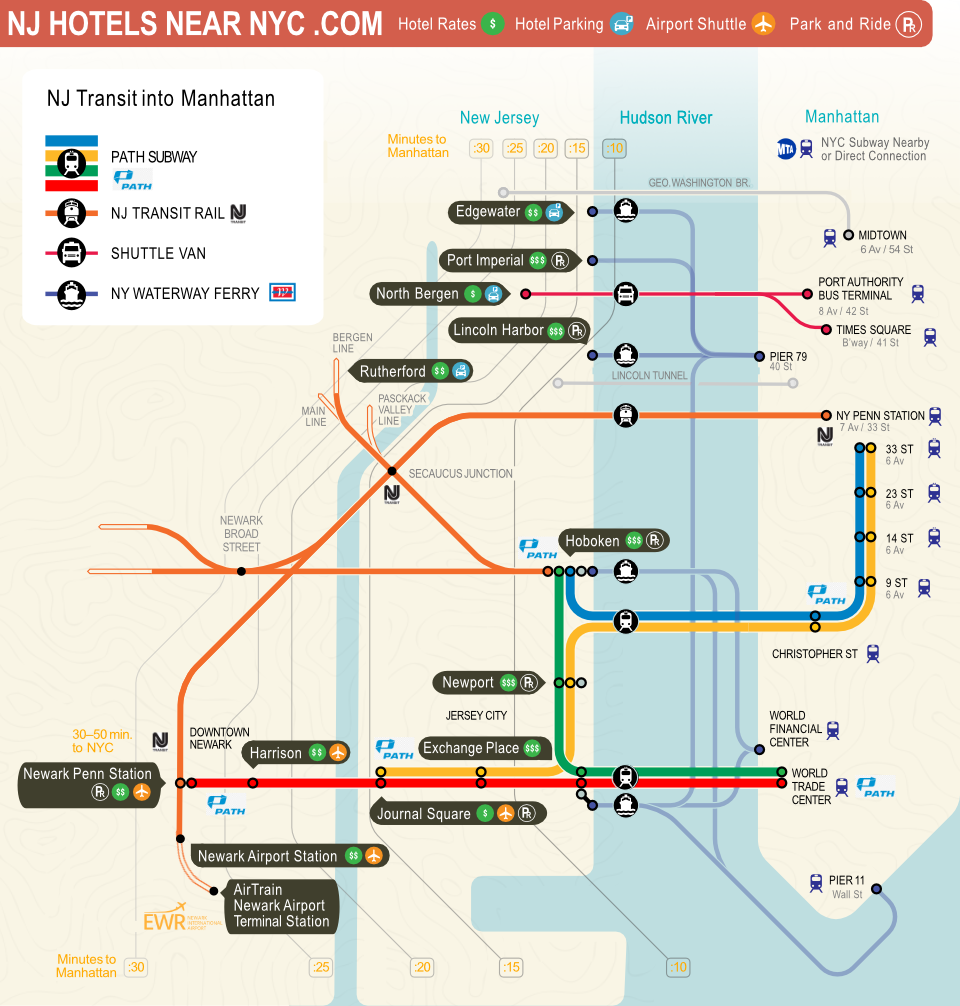
NJ Transit operates an extensive network of regional rail lines that connect major towns across the Garden State to New York Penn Station. If you are starting your journey in Newark or Trenton, you can hop on a Northeast Corridor line. Many of these trains also offer service via Amtrak, which, while often pricier, provides a faster, more comfortable ride with fewer stops, especially if you are traveling from distant parts of New Jersey.
The PATH Train
If your departure point is in Hoboken or Jersey City, the PATH Train is your best friend. This rapid transit system operates 24/7 and connects directly to several key hubs in Manhattan, including World Trade Center and 33rd Street. The PATH Train is highly affordable and integrated with the MetroCard system, making it a seamless transition into the New York City Subway.
Ferry Services: A Scenic Commute
For those who want to avoid the underground tunnels and prefer a more scenic approach, the NY Waterway ferry is an excellent alternative. Taking a boat across the Hudson River offers breathtaking views of the New York City skyline, particularly at sunset or sunrise.
Ferry Terminals and Routes
Ferries depart from various points along the New Jersey waterfront, including Weehawken, Edgewater, and Hoboken. Once you board, you can disembark at several key locations in New York City, such as Midtown Manhattan, Brookfield Place, or Pier 11.
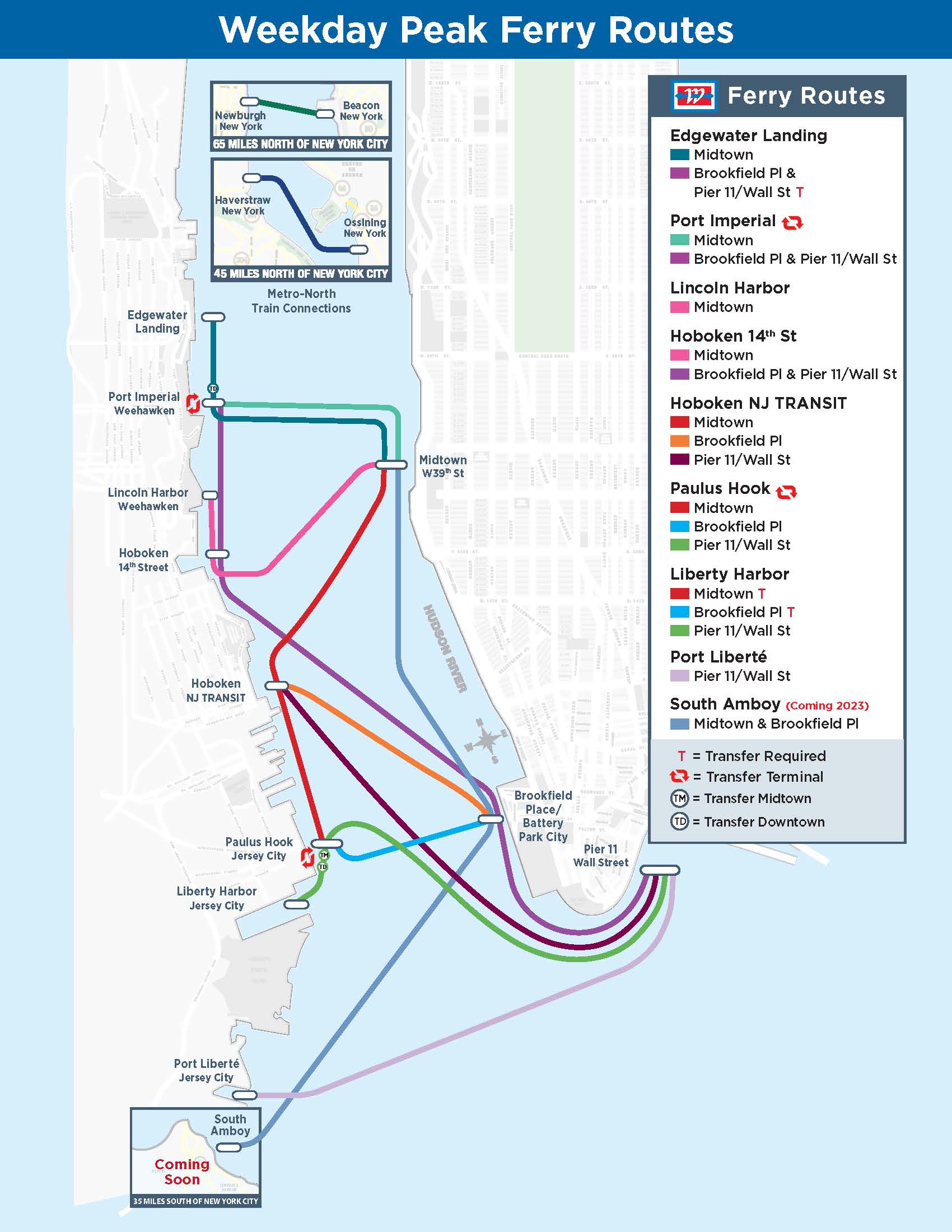
While the fare is generally higher than train or bus tickets, the convenience and the sheer beauty of the journey make it a favorite for tourists and professionals alike. The NY Waterway fleet is modern, climate-controlled, and usually provides a stress-free experience regardless of the weather.
Road Travel: Buses and Driving
Traveling by road is a staple of life in the New York Metropolitan Area. While traffic can be unpredictable, the bus system remains the most pervasive method of transportation for residents who live outside of rail hubs.
The Bus Network
NJ Transit buses run frequent routes from suburban areas directly to the Port Authority Bus Terminal in Midtown Manhattan. This is a highly convenient option if you are coming from a neighborhood not serviced by a train station. However, keep in mind that during peak rush hours, buses are often subject to heavy congestion at the Lincoln Tunnel. Always check traffic reports before you depart to ensure your journey stays on schedule.
Driving into the City
Driving your own vehicle into Manhattan is generally discouraged due to the extreme cost of parking and the heavy traffic. If you must drive, be prepared to pay tolls at either the George Washington Bridge, the Holland Tunnel, or the Lincoln Tunnel.
If you prefer to drive part of the way, a popular “park and ride” strategy involves driving to a NJ Transit station like Metropark or Secaucus Junction, leaving your car in the garage, and taking the train for the final leg of the trip. This saves you the headache of navigating city streets and hunting for an expensive parking spot near Times Square or Central Park.

Tips for a Seamless Trip
To ensure your journey between New Jersey and New York is as pleasant as possible, consider these essential travel tips:
- Use Mobile Ticketing: Download the NJ Transit app to purchase tickets directly on your smartphone. This eliminates the need to stand in line at ticket kiosks.
- Avoid Rush Hour: If your schedule is flexible, try to travel outside of the 7:00 AM – 9:00 AM and 4:30 PM – 6:30 PM windows. The trains and buses are significantly less crowded, making for a much more comfortable experience.
- Know Your Destination: New York City is a massive urban sprawl. If you are heading to the Financial District, a PATH Train or ferry to Lower Manhattan is often more direct than taking an NJ Transit train to New York Penn Station.
- Check Service Advisories: Before you leave, check for any planned track work or service delays. The Metropolitan Transportation Authority and NJ Transit often post updates on their websites regarding weekend construction that could affect your travel time.
Whether you are heading to New York City for a business meeting, a shopping trip to Fifth Avenue, or to catch a show on Broadway, the options available ensure you can get there with ease. By understanding the nuances of the train, ferry, and bus networks, you can navigate this iconic corridor like a local. Choose the mode of transport that fits your budget and timing, and prepare to enjoy the endless energy of the United States’ most vibrant metropolis.
LifeOutOfTheBox is a participant in the Amazon Services LLC Associates Program, an affiliate advertising program designed to provide a means for sites to earn advertising fees by advertising and linking to Amazon.com. Amazon, the Amazon logo, AmazonSupply, and the AmazonSupply logo are trademarks of Amazon.com, Inc. or its affiliates. As an Amazon Associate we earn affiliate commissions from qualifying purchases.