
The New York Strip is arguably the hallmark of a premier steakhouse experience. Known for its robust beefy flavor and moderate marbling, this cut—often sourced from the short loin—strikes the perfect balance between tenderness and texture. Whether you are traveling through the culinary epicenters of New York City or hosting a refined dinner at home, mastering the preparation of this steak is an essential skill for any food enthusiast. To achieve a professional-grade result, one must treat the process as an art form, respecting the quality of the ingredient through precise heat control and timing.
Selecting and Preparing the Cut
The journey to the perfect steak begins long before the pan hits the heat. The quality of your raw material dictates the potential of the final dish. When sourcing your meat, whether from a local boutique butcher or a high-end grocer, there are specific characteristics to prioritize.
The Importance of Marbling and Thickness
Look for a steak that is at least 1.5 inches thick. A thinner steak will overcook in the center before you can achieve a proper crust on the exterior. Marbling—the small white flecks of intramuscular fat—is vital. When rendered, this fat provides the moisture and deep, savory flavor that defines a top-tier New York Strip. Seek out USDA Prime or high-end Choice grades to ensure the best fat distribution. If you are visiting a market like the famous Chelsea Market, do not hesitate to ask the butcher for a center-cut strip, as these offer the most uniform thickness and consistency.
Tempering the Meat
Never cook a steak directly from the refrigerator. Taking your steak out 30 to 45 minutes before cooking allows the internal temperature to rise closer to room temperature. This simple step ensures that the heat penetrates the center more evenly, preventing a cold, raw middle while the outside is already seared. While the steak tempers, pat it completely dry with paper towels. Moisture is the enemy of the Maillard reaction—the chemical process that creates the flavorful brown crust. If the surface is wet, the steak will steam rather than sear.
The Art of the Sear
For home cooks who admire the techniques used in the kitchens of Chicago, a city famous for its steakhouse culture, the cast-iron skillet is the primary tool of choice. It retains heat better than any other material, providing a steady temperature that is crucial for a perfect crust.
Seasoning for Depth
Keep the seasoning simple to allow the natural flavor of the beef to shine. Kosher salt is essential; apply it liberally to all sides, including the thin strip of fat along the edge. The salt draws out excess moisture initially but is then reabsorbed, seasoning the meat deeply. Coarse black pepper should be added just before searing; adding it too early can cause it to burn and turn bitter under the intense heat of the pan.
Achieving the Perfect Crust
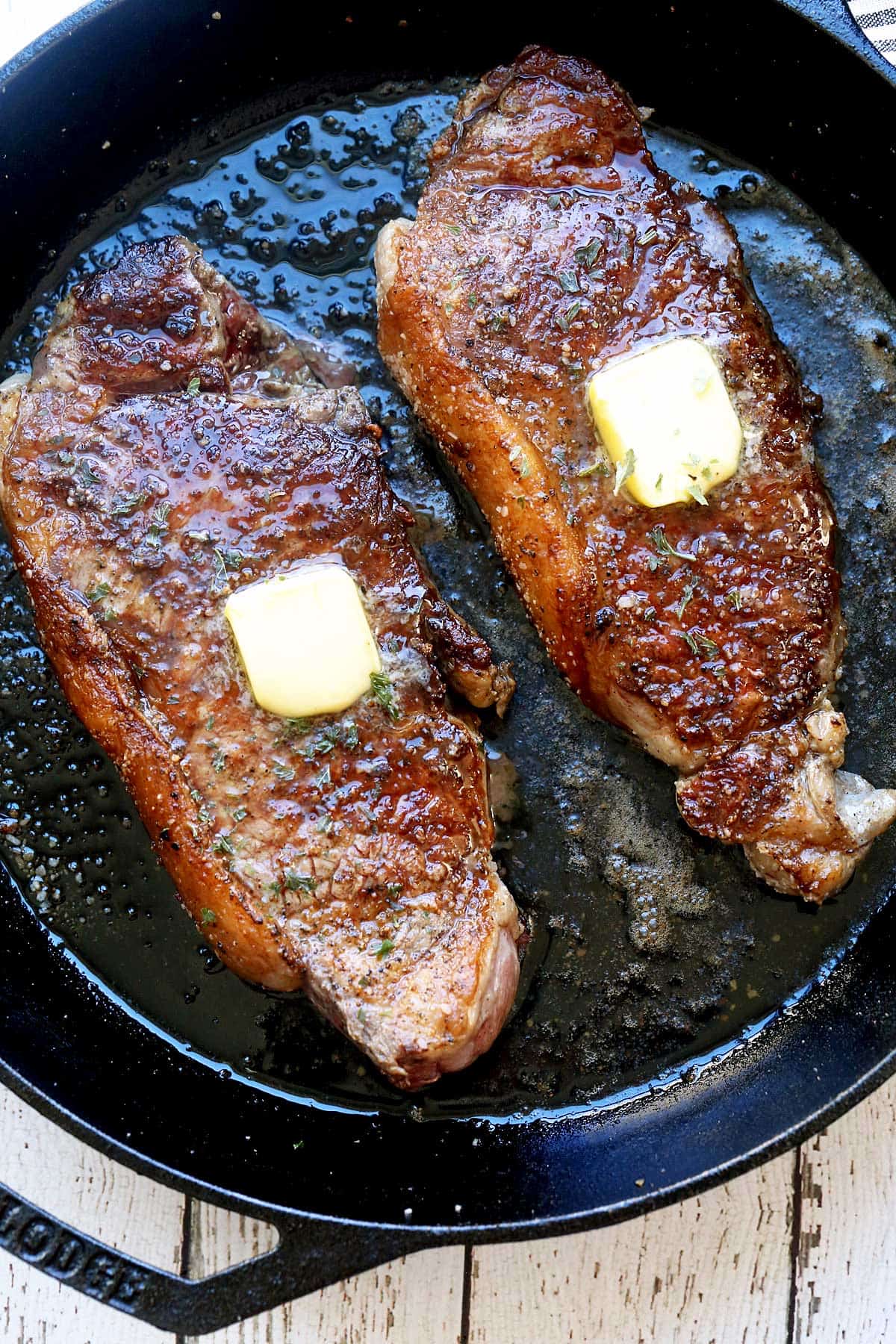
Place your cast-iron skillet over high heat until it begins to smoke slightly. Add a high-smoke-point oil, such as avocado or grapeseed oil. Gently lay the steak into the pan away from you to avoid splashing. Resist the urge to move or flip the steak for at least three to four minutes. You are looking for a deep, mahogany-colored crust. Once the first side is developed, flip the steak and sear the other side. Do not forget to sear the fat cap on the edge by holding the steak vertically with tongs; this renders the fat and makes it crispy and delicious.
Butter Basting and Finishing
This is the secret technique utilized by top chefs to elevate a standard piece of meat to a restaurant-quality delicacy. As you near the end of the cooking process, the steak enters the “basting” phase, which adds layers of aromatic complexity.
Aromatics and Fat
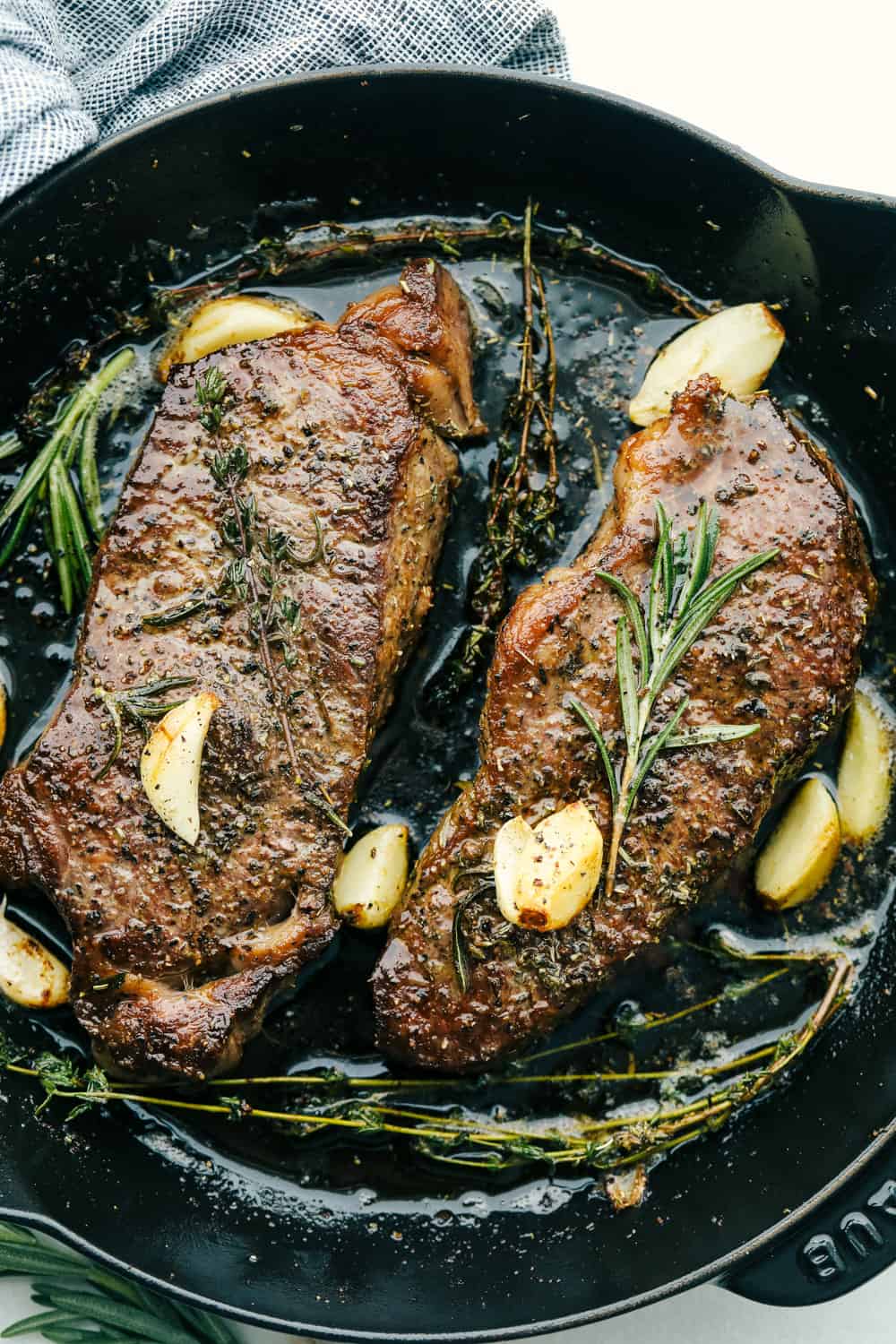
Lower the heat to medium and add two tablespoons of unsalted butter to the pan. Once the butter begins to foam, add two crushed cloves of garlic and a few sprigs of fresh thyme or rosemary. As the butter browns—taking on a nutty, toasted aroma—tilt the pan slightly and use a large spoon to continuously baste the steak with the foaming, herb-infused butter. This process not only keeps the steak moist but also imbues the crust with a rich, savory depth that is characteristic of the finest dining establishments in Paris or Buenos Aires.
Monitoring Internal Temperature
To guarantee precision, use an instant-read meat thermometer. The visual appearance can be deceiving, but the internal temperature never lies. For a New York Strip, pull the steak from the pan when it reaches:
- Rare: 120°F (49°C)
- Medium-Rare: 130°F (54°C)
- Medium: 140°F (60°C)
Remember that the temperature will continue to rise by about 5 degrees after you remove it from the heat—a phenomenon known as carryover cooking.
The Essential Rest
The final and most overlooked step is the rest. Once you remove the steak from the pan, place it on a warm plate or a cutting board and tent it loosely with aluminum foil.
Why Resting Matters
During the intense heat of searing, the muscle fibers of the steak contract, pushing the juices toward the center of the cut. If you slice into the steak immediately, these juices will run out onto the board, leaving you with a dry, less flavorful piece of meat. Allowing the steak to rest for 8 to 10 minutes gives the juices time to redistribute throughout the muscle fibers. This ensures that every bite is succulent and tender.
Serving with Elegance
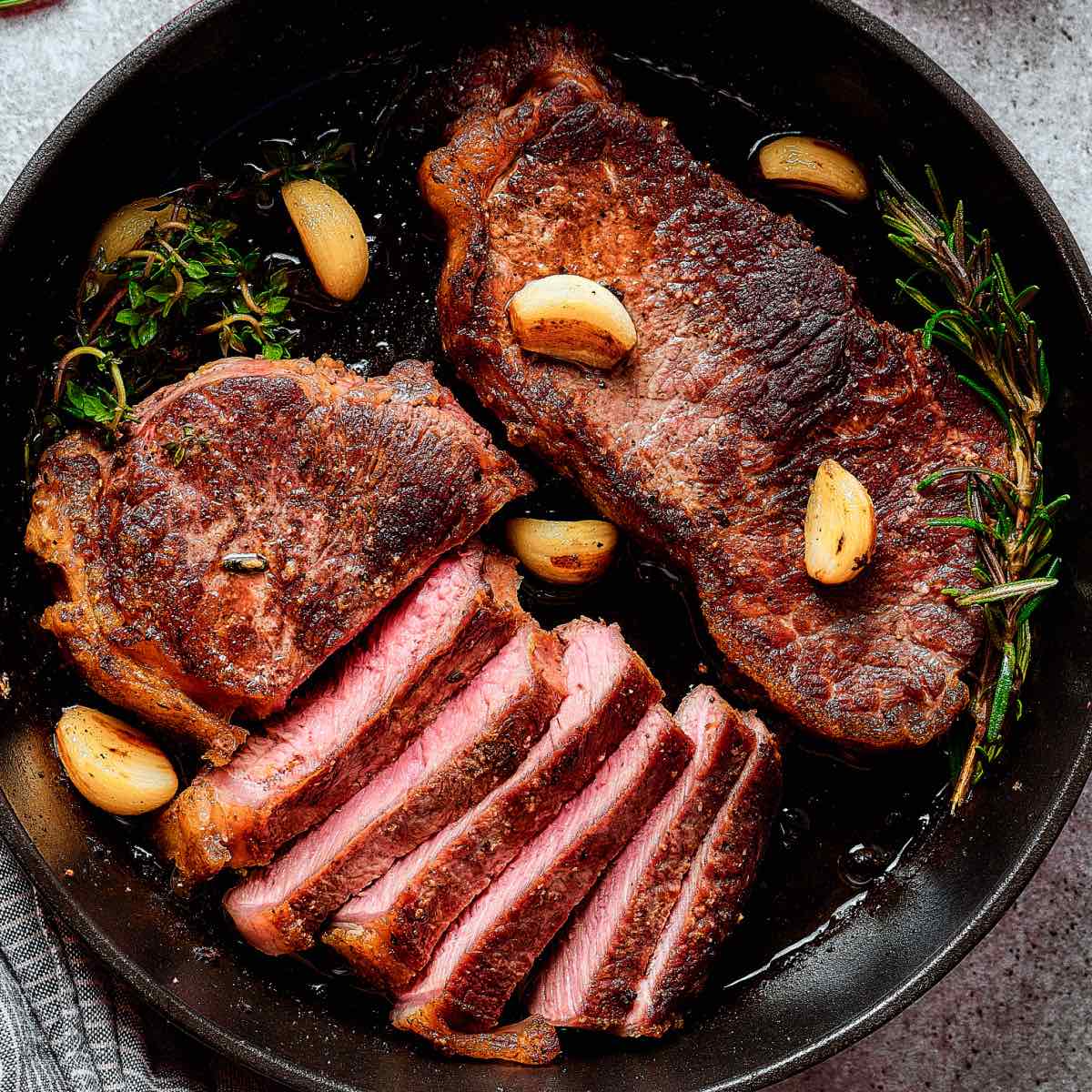
Once rested, slice the New York Strip against the grain. Cutting across the muscle fibers shortens them, making the meat feel more tender when chewed. Serve your steak simply, perhaps with a side of roasted root vegetables or a crisp garden salad. If you have mastered the searing and basting techniques, you will find that your homemade steak rivals the offerings found in the most prestigious hotels in London or the culinary hotspots of Tokyo.
By focusing on the quality of your ingredients, managing your heat source with care, and respecting the resting process, you transform a simple cut of meat into a memorable dining event. Whether enjoyed as a quiet meal at home or as the centerpiece of a celebratory gathering, the New York Strip stands as a testament to the rewards of careful, intentional preparation. Enjoy the process as much as the final result, and take pride in your ability to bring the authentic flavors of world-class gastronomy into your own kitchen.
LifeOutOfTheBox is a participant in the Amazon Services LLC Associates Program, an affiliate advertising program designed to provide a means for sites to earn advertising fees by advertising and linking to Amazon.com. Amazon, the Amazon logo, AmazonSupply, and the AmazonSupply logo are trademarks of Amazon.com, Inc. or its affiliates. As an Amazon Associate we earn affiliate commissions from qualifying purchases.