
The New York Strip steak is a culinary hallmark of New York City, a cut synonymous with the bustling energy of the United States. Known for its robust flavor and ideal balance of tenderness and chew, it is a staple in the high-end steakhouses that dot the landscape of Manhattan. Whether you are inspired by the legendary dining culture of Peter Luger Steak House in Brooklyn or simply looking to recreate a world-class culinary experience at home, mastering the preparation of this prime cut is a journey into the heart of American gastronomy.
Selecting the Perfect Cut of Meat
Before you even turn on your stove, the quality of your steak will determine the success of your meal. The New York Strip is taken from the short loin, a muscle that does very little work, ensuring a tender texture. When visiting your local butcher or a high-end market like Chelsea Market, there are specific visual cues to look for.
Understanding Marbling and Aging
Marbling refers to the intramuscular fat that appears as white flecks throughout the muscle. This fat is the primary carrier of flavor; as it renders during the cooking process, it bastes the meat from the inside out. Look for “Prime” grade beef, which offers the highest level of marbling. Furthermore, if you can source dry-aged beef, you will encounter a depth of flavor—often described as nutty or umami-forward—that is characteristic of the finest dining establishments in the West Village. Dry-aging draws out moisture, concentrating the beefy intensity that makes a New York Strip so iconic.
Thickness and Preparation
For the best results, ensure your steak is cut at least 1.5 inches thick. A thinner steak will overcook in the center before achieving the desired sear. Once you have your steak, remove it from the refrigerator at least 45 minutes before cooking. Bringing the meat closer to room temperature allows for a more even cook, preventing the dreaded “grey band” of overcooked meat that can ruin the experience of an otherwise excellent cut.
The Art of the Sear: Achieving the Golden Crust
The hallmark of a perfect New York Strip is a deep, dark brown crust—the result of the Maillard reaction. This chemical reaction occurs between amino acids and reducing sugars when exposed to high heat, creating a complex, savory flavor profile.
Pan Selection and Heat Management
Use a heavy-bottomed cast iron skillet. This material is essential because it retains heat effectively, ensuring the temperature doesn’t drop significantly when you place the cold meat into the pan. Place your skillet over high heat and add a high-smoke-point oil, such as grapeseed or avocado oil. Avoid butter at this stage, as it will burn before the pan is hot enough. Once the oil begins to shimmer and whisper, gently lay the steak into the skillet, ensuring you press it slightly to make full contact with the surface.
The Basting Technique
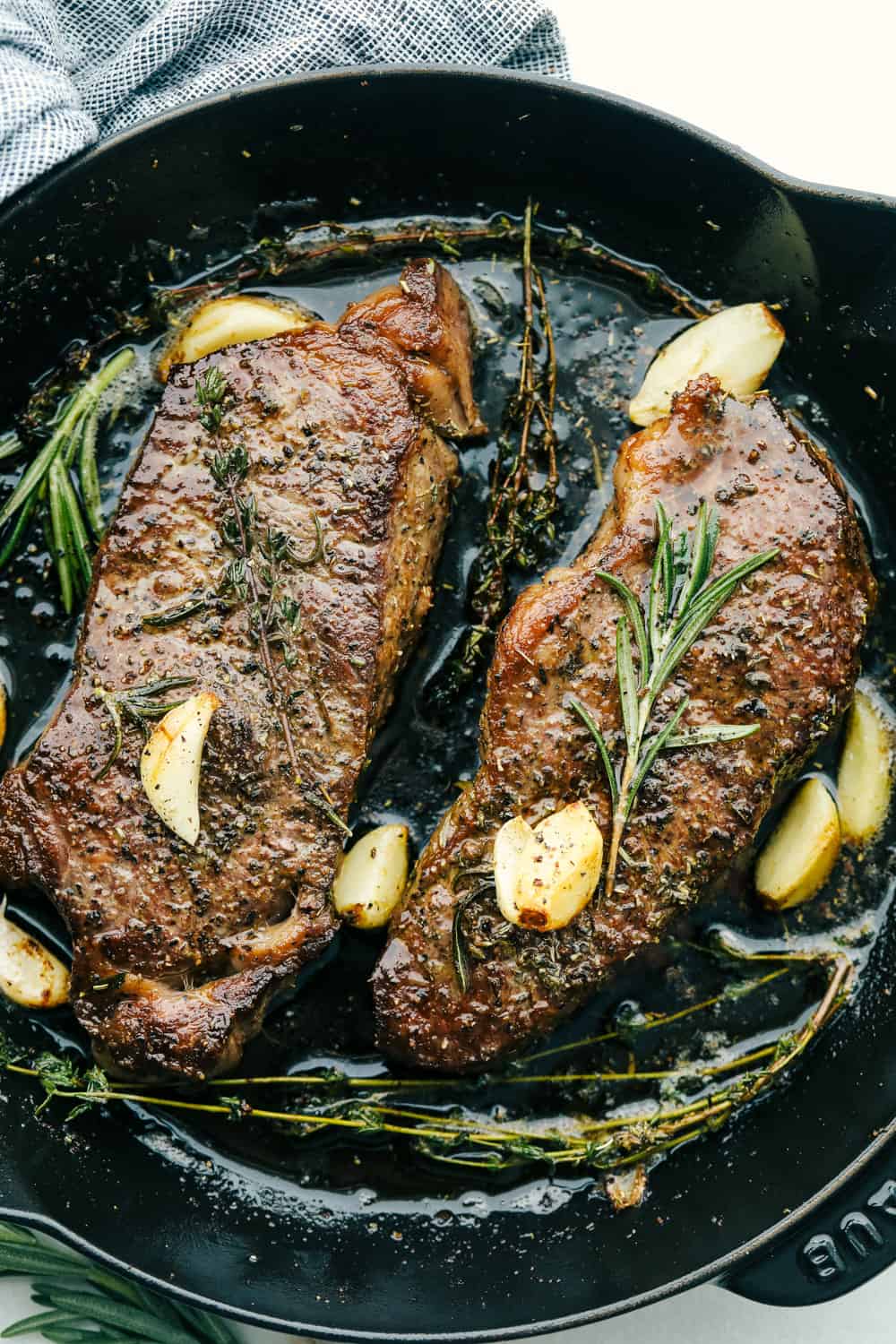
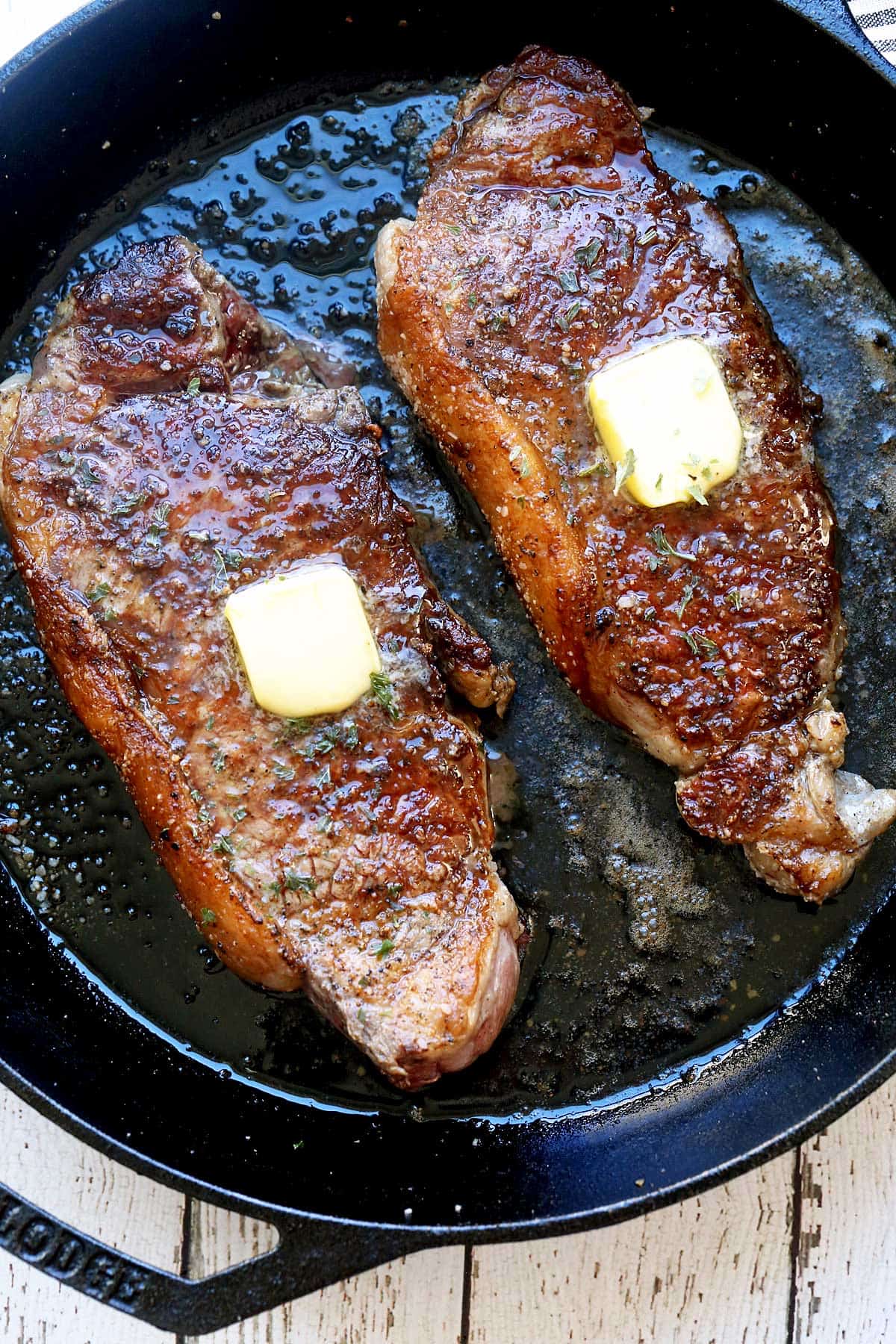
After the steak has developed a beautiful crust on one side, flip it. Now is the time to incorporate aromatics. Reduce the heat slightly and add three tablespoons of unsalted butter, two smashed cloves of garlic, and a sprig of fresh thyme or rosemary. As the butter foams, use a large spoon to continuously baste the steak with the hot, herb-infused fat. This technique, a favorite in the kitchens of Paris and refined by chefs across the globe, adds a layer of richness that permeates the crust and enhances the meat’s natural sweetness.
Precision Cooking and Resting
Achieving the perfect internal temperature is the final hurdle in your culinary endeavor. While many prefer their steak medium-rare, the goal is to reach your desired temperature without sacrificing moisture.
Using an Instant-Read Thermometer
Relying on touch or time is risky. For a professional result, use an instant-read thermometer. For medium-rare, pull the steak from the heat when the internal temperature reaches 125°F (52°C). Remember that carry-over cooking will continue to raise the internal temperature by another 5 to 7 degrees while the meat rests.
The Importance of the Rest
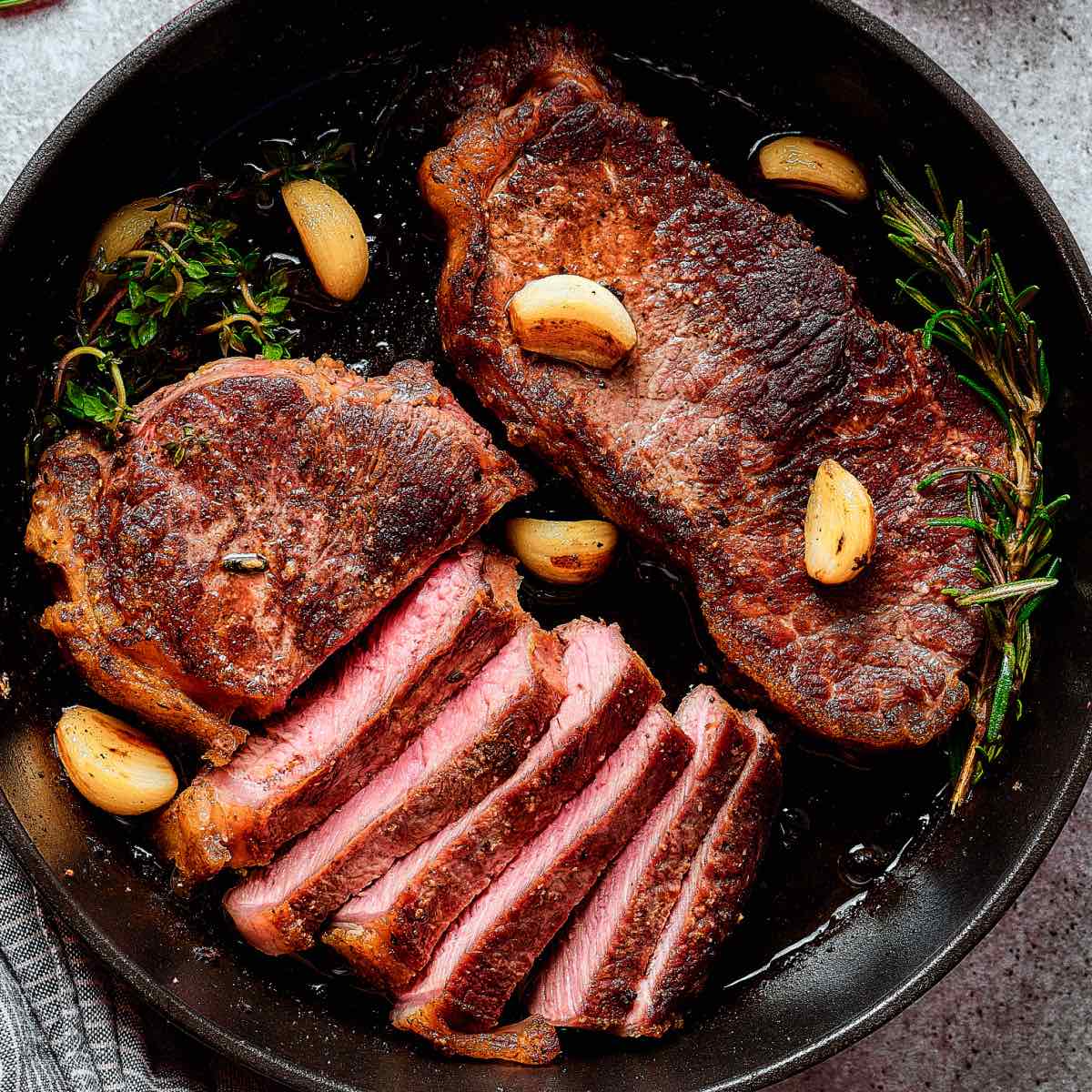
The most overlooked step in preparing a New York Strip is the resting period. Transfer the steak to a cutting board or a warm plate and let it sit for at least 8 to 10 minutes before slicing. During the searing process, the muscle fibers contract and force the juices toward the center of the steak. Resting allows the fibers to relax and the juices to redistribute throughout the meat. If you slice into the steak too early, those precious juices will run onto the board, resulting in a drier, less flavorful bite.
Serving and Pairing Suggestions
A perfectly prepared New York Strip deserves thoughtful accompaniment. In the classic culinary tradition found in London or Chicago, the steak is the star, but the sides elevate the meal.
Seasonal Sides
Consider serving your steak with classic sides that complement the richness of the beef. Creamed spinach, a dish famously associated with the steakhouses of Midtown Manhattan, provides a velvety contrast to the crusty exterior of the steak. Alternatively, a simple salad of peppery arugula dressed with high-quality olive oil and lemon zest can cut through the fat, cleansing the palate between bites.
Wine Pairing
For a wine pairing, look toward full-bodied reds. A Cabernet Sauvignon or a bold Malbec, perhaps sourced from the vineyards of Argentina, stands up well to the intensity of the beef. The tannins in these wines act as a foil to the fat, creating a balanced experience that lingers on the tongue.
As you plate your steak, consider slicing it against the grain to maximize tenderness. Sprinkle a pinch of flaky sea salt over the top to finish. By following these steps—from selecting the right marbling to mastering the basting process—you transform a simple piece of meat into a sophisticated culinary experience that honors the legacy of one of the world’s most beloved cuts. Whether shared with friends or enjoyed as a quiet evening meal, the New York Strip represents the intersection of simplicity and luxury, a testament to the enduring appeal of quality ingredients prepared with care.
LifeOutOfTheBox is a participant in the Amazon Services LLC Associates Program, an affiliate advertising program designed to provide a means for sites to earn advertising fees by advertising and linking to Amazon.com. Amazon, the Amazon logo, AmazonSupply, and the AmazonSupply logo are trademarks of Amazon.com, Inc. or its affiliates. As an Amazon Associate we earn affiliate commissions from qualifying purchases.