
For decades, the dark, rain-slicked alleys and towering, neo-gothic spires of Gotham City have served as the ultimate playground for caped crusaders and criminal masterminds. While comic book lore famously positions the city as a fictional entity, the architectural DNA, cultural pulse, and socioeconomic struggles depicted in its narratives share an undeniable kinship with New York City. To walk the streets of Manhattan is to walk through the living blueprint of a myth.
The Architectural Echoes of the Concrete Jungle
The visual language of Gotham City is defined by its verticality and sense of historical weight. Artists and filmmakers have long looked to the real-world skyline of the United States to craft the oppressive atmosphere of their fictional metropolis.
The Art Deco Influence
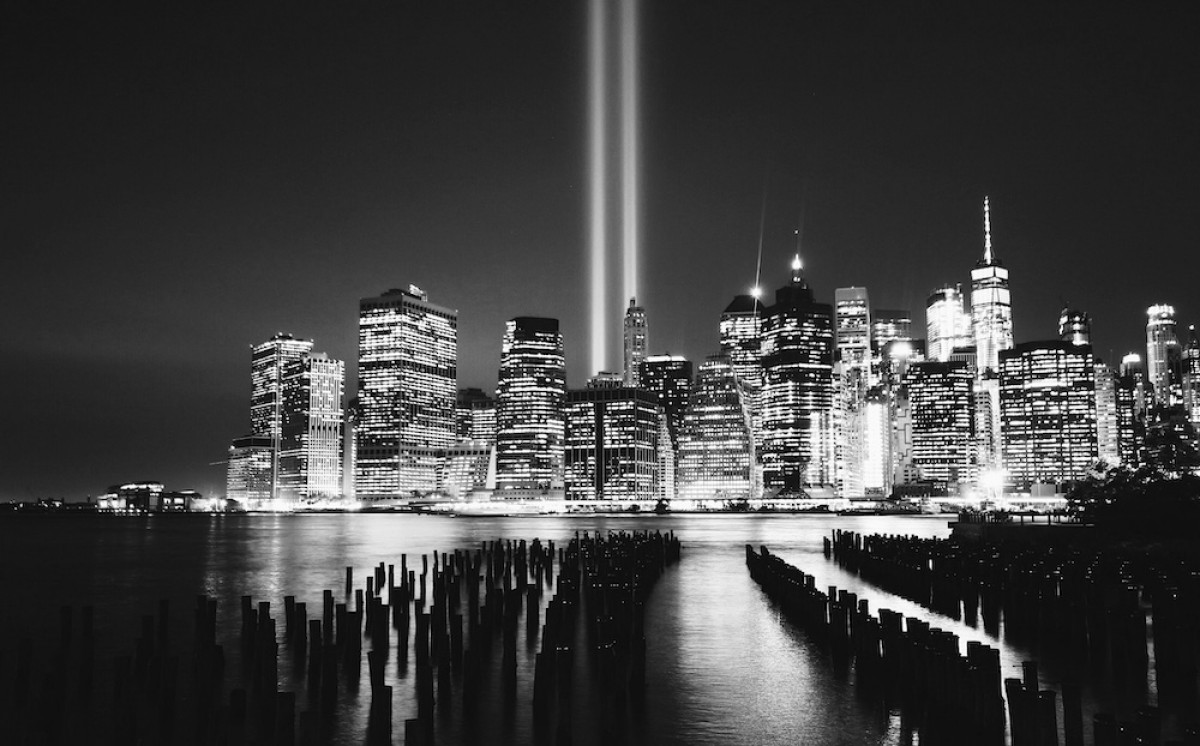
The aesthetic of Gotham City is heavily rooted in the Art Deco and Beaux-Arts movements. If you stand in Midtown Manhattan and gaze upward at the Chrysler Building, you are looking at the literal structural ancestor of the Wayne Enterprises headquarters. The sharp, metallic ornamentation and the gargoyles perched high above the streets provide the exact visual cues that animators and set designers use to construct the brooding skyline of the Dark Knight’s home.
Bridges and Landmarks
The transit network of New York City also serves as a crucial point of inspiration. The Brooklyn Bridge has been reimagined countless times as the gateway to the Narrows or the industrial heart of Gotham City. By mirroring the suspension cables and stone piers of this famous landmark, writers ground the fictional city in a recognizable reality, allowing the audience to instinctively grasp the geography of danger and isolation that defines the city’s criminal underbelly.
A Tale of Two Cities: Cultural and Social Parallels
Beyond the steel and stone, the soul of a city is found in its demographics, its history, and its unique cultural friction. Writers of the DC Comics universe have historically utilized the social dynamics of New York City as a mirror for the chaos of their own invention.
Crime, Corruption, and Class Divides
New York City in the 1970s and 80s was a place of extreme contrasts—a city defined by both immense wealth and gritty, crumbling infrastructure. This specific era of the Big Apple provided the essential narrative texture for stories involving Bruce Wayne. The tension between the elite residing in Upper East Side penthouses and the struggles of the working class in the outer boroughs is a hallmark of the Gotham City experience.
The Melting Pot Dynamic
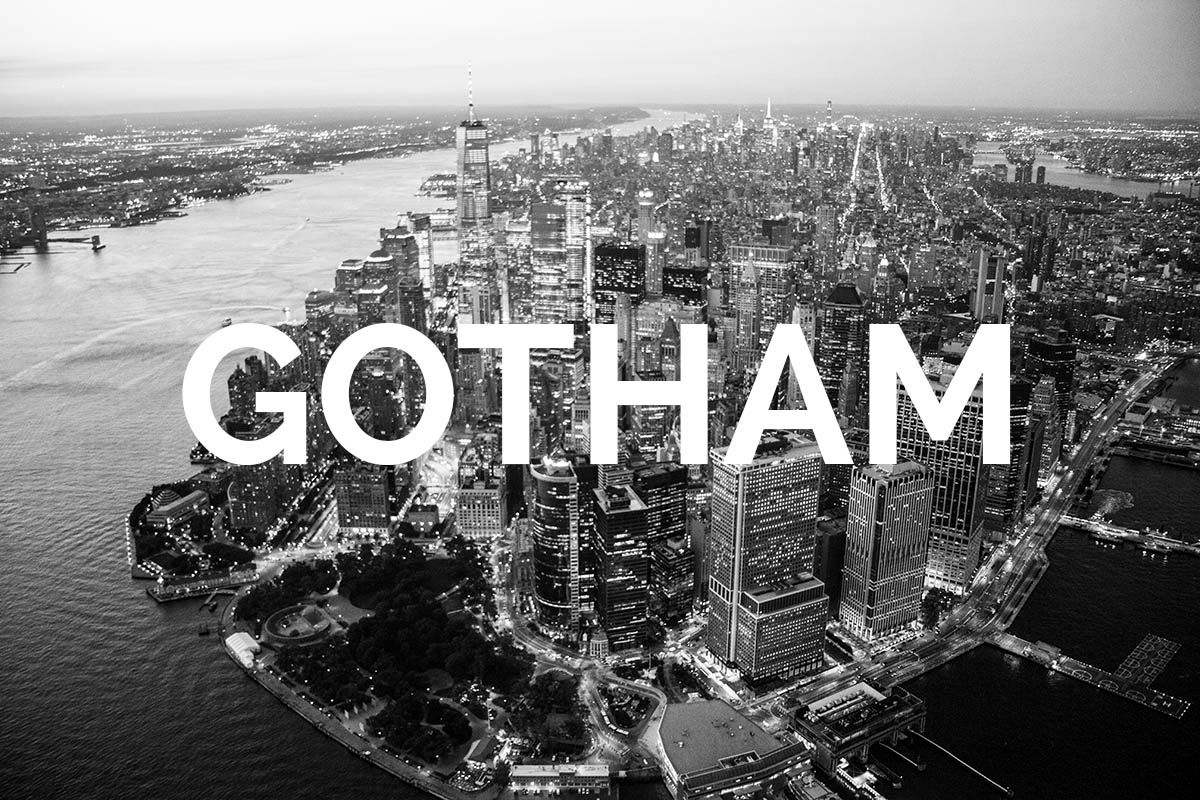
Much like New York City, Gotham City is portrayed as a cultural melting pot where millions of dreams collide. It is a place that attracts the best and the brightest, as well as the most desperate. The chaotic energy of Times Square or the frantic pace of the New York City Subway system is distilled into the fiction of a city that never sleeps and never stays safe. This density of population creates the perfect conditions for the larger-than-life villains that inhabit the dark corners of the Gotham City Police Department.
Cinematic Interpretations: From Fiction to Fact
The debate over whether Gotham City is truly New York City is largely settled by the filmmakers who choose to set their stories there. The location scouting process for major superhero films often ends with a direct mandate: find the place that feels the most like the real-world metropolis of New York.
The Christopher Nolan Approach
When Christopher Nolan filmed his iconic trilogy, he opted to use Chicago and Pittsburgh to stand in for his version of the city. While these cities provided the necessary grit and industrial landscape, they were chosen specifically because they share a similar urban density and historical architectural style with New York City. The decision highlights that Gotham City is more of an “archetype” of an American metropolis than a specific geographical pin on a map.
The Todd Phillips Vision
In more recent iterations, such as the 2019 film Joker, the filmmakers explicitly used New York City as their primary filming location. By utilizing the iconic staircases in the Bronx and the weathered storefronts of the Lower East Side, the film stripped away the fantasy elements of the comic books to reveal a reality that was hauntingly, unmistakably New York. This shift solidified the long-held suspicion of many fans: the two cities are, for all intents and purposes, one and the same in the collective imagination.
Why the Distinction Still Matters
If Gotham City is essentially New York City, why not just call it that? The answer lies in the freedom that fiction provides.
The Freedom of Mythic Proportions
By creating a separate identity, creators are liberated from the constraints of real-world history and geography. They can invent corrupt agencies like the Gotham City Health Department or place massive, fictitious islands like Arkham Asylum in the middle of a harbor without the need for accurate historical or political justification. It allows for a hyper-stylized version of reality where the rain is always heavier, the shadows are always deeper, and the stakes are always existential.

The Legacy of the Urban Legend
Ultimately, the relationship between these two cities is symbiotic. New York City lends its soul, its skyline, and its complex social fabric to Gotham City. In return, Gotham City gives New York City a legendary status, turning the mundane aspects of city living into a canvas for grand, heroic narratives. When travelers visit the Statue of Liberty or walk through Central Park, they are tracing the steps of the very people who inspired the world’s most famous fictional metropolis.
Whether it is intended as a literal representation or a spiritual successor, the bond remains unbreakable. Gotham City exists as the darkest, most compelling version of New York City we have ever imagined, a city that reminds us that beneath the gloss of any great urban center, there is always a layer of mystery waiting to be uncovered by those brave enough to explore the shadows.
LifeOutOfTheBox is a participant in the Amazon Services LLC Associates Program, an affiliate advertising program designed to provide a means for sites to earn advertising fees by advertising and linking to Amazon.com. Amazon, the Amazon logo, AmazonSupply, and the AmazonSupply logo are trademarks of Amazon.com, Inc. or its affiliates. As an Amazon Associate we earn affiliate commissions from qualifying purchases.