
When considering the dissolution of a marriage, legal procedures often take center stage in the bustling hub of New York. For many, the prospect of navigating the state’s complex legal landscape is as daunting as planning a cross-country excursion. However, understanding the framework of matrimonial law is essential for those residing in the United States. One of the most frequently asked questions regarding the legal termination of a marriage is whether the state operates under a “no-fault” system. The answer is a definitive yes, but understanding the nuances requires looking at how the legal system evolved to mirror the changing social fabric of modern life.
The Evolution of Divorce Law in New York
Historically, New York was one of the last holdouts in the country to adopt a true no-fault divorce statute. For decades, spouses seeking to end their marriage were required to prove “fault”—such as adultery, abandonment, or cruel and inhuman treatment—in order to obtain a judgment of divorce. This often led to contentious court battles, prolonged litigation, and significant emotional strain on families.
The Shift Toward No-Fault Legislation
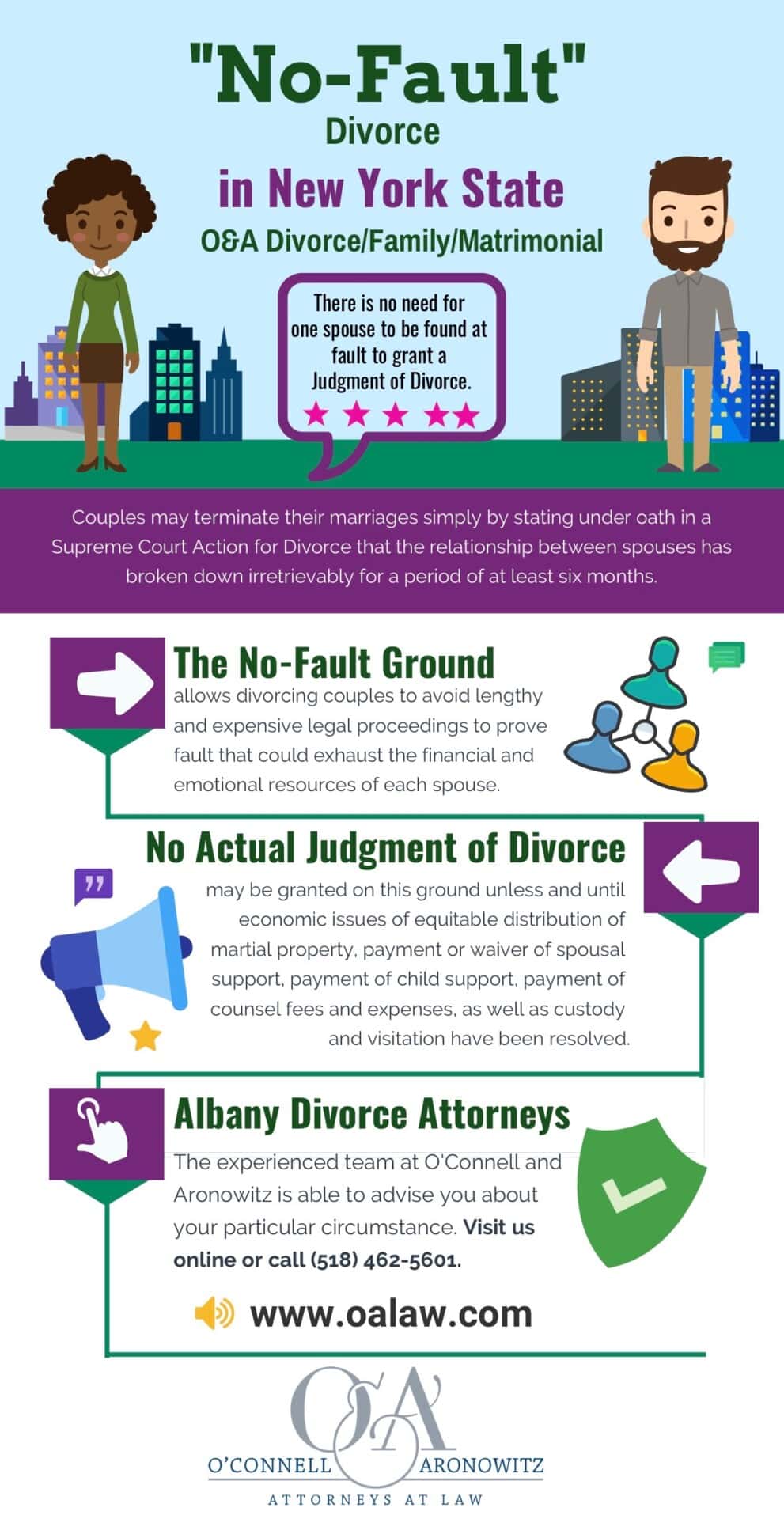
In 2010, the landscape shifted dramatically with the enactment of a no-fault provision, commonly referred to as the “irretrievable breakdown” ground. This change fundamentally altered the nature of matrimonial litigation in New York City and across the state. By allowing individuals to end a marriage based on the premise that the relationship is beyond repair—without needing to air grievances or prove specific misconduct—the state moved in alignment with a more modern, lifestyle-oriented approach to legal dissolution.
Impact on Legal Procedures
The introduction of no-fault divorce did not replace the old laws entirely; rather, it provided a more streamlined path for couples. By removing the requirement to cast blame, the legal process shifted from an adversarial confrontation to a more administrative, albeit complex, negotiation regarding assets, custody, and support. This evolution reflects a broader societal shift that prioritizes the personal well-being of the parties involved, similar to how modern travelers prioritize streamlined logistics when visiting Manhattan or the Hudson Valley.
Understanding Irretrievable Breakdown
To file for a no-fault divorce in New York, the petitioner must assert under oath that the marriage has suffered an “irretrievable breakdown” for a period of at least six months. This legal standard is the cornerstone of the state’s current matrimonial framework.
The Six-Month Requirement
This time-bound requirement serves as a cooling-off period, acknowledging the gravity of the decision to end a union. It is not merely a box to be checked, but a testament to the fact that the marital bond is recognized as a significant commitment. In the eyes of the law, the six-month duration acts as a threshold, distinguishing transient marital conflict from a permanent, irreparable collapse of the relationship.
Addressing Ancillary Issues
While the grounds for divorce are now simplified, the logistical and financial components remain as complex as ever. A divorce case is not resolved simply by citing an irretrievable breakdown. Before the court grants the final decree, all “ancillary” issues must be addressed. This includes, but is not limited to:
- Equitable distribution of marital assets and property.
- Spousal maintenance (alimony) determinations.
- Child custody and visitation schedules.
- Child support obligations.

Much like organizing a complex itinerary for a trip to Upstate New York, the dissolution of a marriage requires careful planning and a clear understanding of the rules of engagement. Whether one is dealing with high-net-worth assets or complex custody arrangements, the legal process in Brooklyn or Queens demands professional guidance.
Comparative Perspectives and Strategic Considerations
When comparing New York to other jurisdictions, it is clear that the no-fault option has brought a sense of pragmatism to the courtroom. While other states may offer different pathways or expedited procedures, the standard of the “irretrievable breakdown” is now the most common route for litigants.
Choosing Your Strategy
Deciding whether to file under no-fault or to retain traditional fault-based grounds is a strategic choice. While no-fault is generally faster and less antagonistic, there may be specific scenarios—often involving financial disputes or custody leverage—where a party might still consider pleading fault. However, such instances are increasingly rare. In the modern era, the emphasis is heavily placed on alternative dispute resolution, such as mediation or collaborative law, which are designed to keep the process out of the courtroom.
The Role of Mediation and Collaboration
Just as one might seek a professional concierge when visiting Long Island to ensure a seamless experience, many couples now opt for neutral mediators or collaborative lawyers to navigate the complexities of their separation. These methods prioritize privacy, speed, and the preservation of resources. Because New York is a no-fault state, the legal incentive to remain in an adversarial posture has diminished, allowing couples to focus on their future rather than the failures of the past.
Navigating the Legal Journey
The reality of modern divorce in New York is that it is fundamentally an exercise in restructuring one’s life. The transition from being a married couple to single individuals involves as much administrative work as it does emotional processing.
Seeking Professional Counsel
Legal counsel is indispensable throughout this transition. Even if both parties agree that the marriage is over, the nuances of law—ranging from tax implications to pension division—require the expertise of a professional who understands the jurisdiction of New York. A skilled lawyer acts as a guide, much like a seasoned travel consultant might help navigate the intricacies of exploring Niagara Falls or the historic streets of Albany.

Planning for the Future
The state’s adoption of no-fault divorce was a milestone in personal autonomy. It acknowledges that the preservation of a marriage is a joint effort, and its termination, when necessary, should not be a performative trial of character. For those walking this path, the focus remains on equitable outcomes and a stable transition into a new chapter. By understanding the statutes and the processes involved, individuals can move through the experience with dignity and foresight, ensuring that their personal lifestyle and long-term goals are protected throughout the legal process.
In summary, New York provides a robust legal framework that supports the termination of marriage through a no-fault approach. This transition into a more modern, efficient legal model offers a pathway that minimizes unnecessary conflict and emphasizes the importance of settlement and resolution. Whether you are situated in the bustling environment of Buffalo or the serene corners of the Catskills, the legal reality remains consistent: you have the right to seek a new beginning under the law.
LifeOutOfTheBox is a participant in the Amazon Services LLC Associates Program, an affiliate advertising program designed to provide a means for sites to earn advertising fees by advertising and linking to Amazon.com. Amazon, the Amazon logo, AmazonSupply, and the AmazonSupply logo are trademarks of Amazon.com, Inc. or its affiliates. As an Amazon Associate we earn affiliate commissions from qualifying purchases.