
The question of whether New York is considered “East” or “West” is far more complex than a simple glance at a map. While the state and its iconic city sit firmly on the eastern seaboard of the United States, the answer shifts depending on whether you are looking through the lens of geographical coordinates, cultural identity, or the historical progression of the American frontier. To understand the position of this global powerhouse, we must examine its role as both a gateway and an entity unto itself.
The Geographic Reality of the Eastern Seaboard
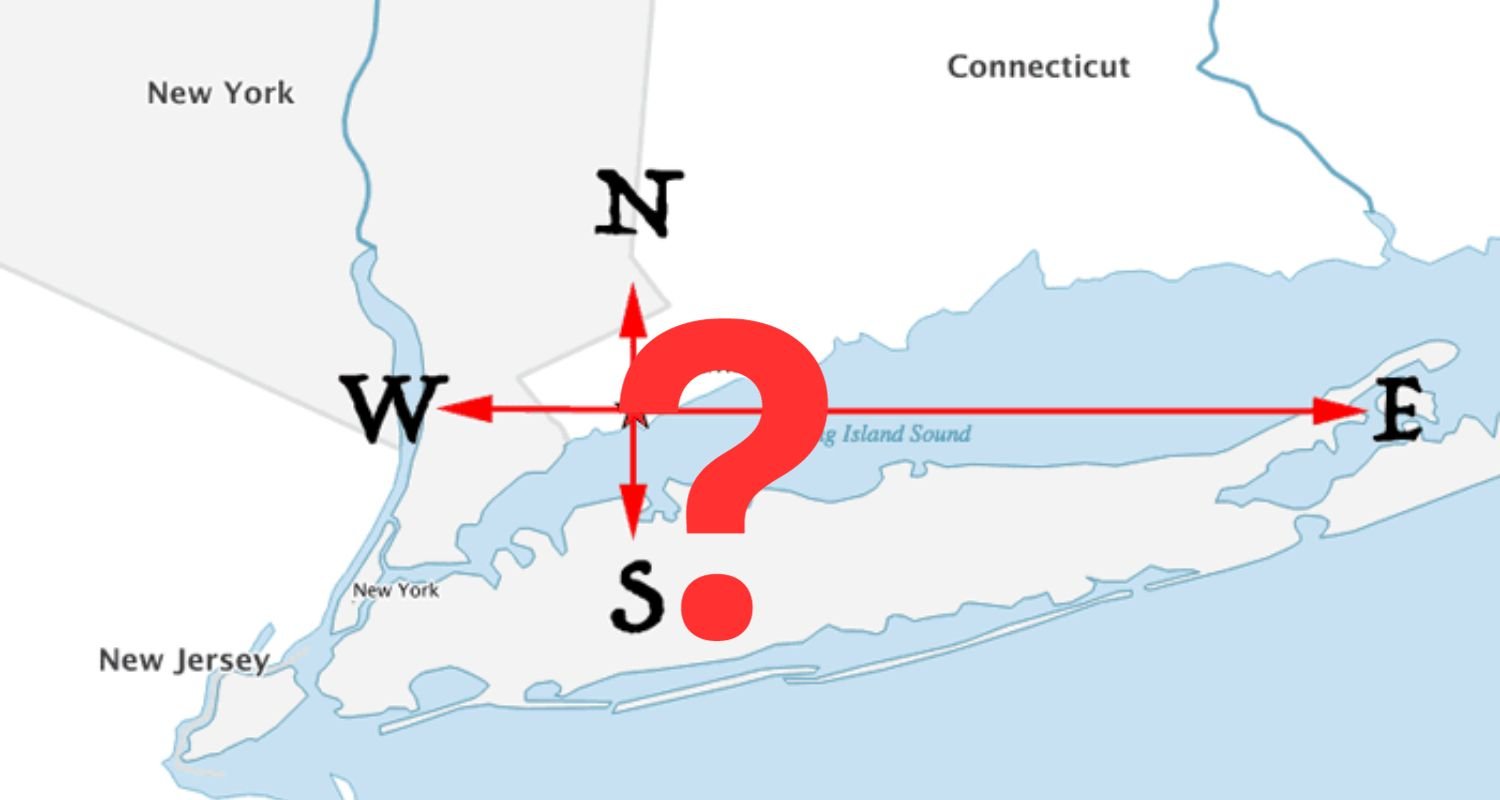
From a purely cartographic perspective, New York is undeniably part of the Eastern United States. It occupies a strategic position along the Atlantic Ocean, acting as a primary anchor for the Northeast megalopolis.
Coastal Orientation
The state of New York, and specifically New York City, serves as the traditional threshold for travelers arriving from Europe. Historically, the harbor at the Statue of Liberty represented the first point of contact for millions, solidifying its identity as a beacon of the East. Its climate, coastal geography, and proximity to states like Massachusetts and Connecticut reinforce this classification.
The Continental Divide
In the broader American context, the Mississippi River is often cited as the dividing line between East and West. By this metric, New York is situated deep within the eastern half of the nation. It shares the cultural and economic rhythms of the Eastern Time Zone, characterized by dense urban planning, historical colonial roots, and a deep, inextricable link to transatlantic trade and politics.
The Cultural Duality of the Empire State
While the geography is settled, the cultural perception of New York is a fascinating study in contradictions. The state experiences a distinct transition as one moves away from the coast, leading to a debate about where the “East” ends and a different, perhaps more “Western” spirit begins.
The Urban East
The downstate region, anchored by the five boroughs and the surrounding suburbs of Long Island, is the quintessential “Eastern” environment. It is defined by rapid transit, intense vertical density, and a fast-paced professional culture that mirrors the major hubs of London or Paris. Here, the orientation is outward, toward the Atlantic, looking across the water for diplomatic and economic partnership.

The Upstate Transition
As one travels north and west from Manhattan toward the Adirondack Mountains or the Finger Lakes, the landscape shifts dramatically. The influence of the Great Lakes and the proximity to the Midwest introduces a different cultural temperament. While still geographically in the East, the rugged wilderness and the industrial heritage of cities like Buffalo and Rochester feel worlds apart from the polished marble of Wall Street. This is where the “Eastern” identity of the state begins to blur, as the vastness of the American interior exerts its gravitational pull.
New York as the “West” of the Old World
There is a historical argument that, for centuries, New York was the westernmost outpost of European civilization. Before the expansion across the Appalachian Mountains, the city served as the frontier for explorers and settlers.
The Gateway to the Interior
The completion of the Erie Canal fundamentally changed the trajectory of the state. By connecting the Hudson River to the Great Lakes, New York positioned itself as the key intermediary between the established East Coast and the emerging American West. This established a unique identity: New York was the place where the East met the West. It was the financial engine that funded westward expansion, providing the capital for Chicago, Denver, and San Francisco to grow into their own identities.
Global Connectivity
In modern terms, New York is often categorized as part of the “Western World” in a geopolitical sense—the alliance of democratic, capitalist nations. In this context, whether the city is East or West within the U.S. matters far less than its status as a leader of the broader Western tradition. When residents of Tokyo or Seoul look toward New York, they see the definitive archetype of Western civilization, regardless of which side of the Hudson River they are standing on.
Navigating the Identity of a Global Icon
To label New York simply as “East” is to ignore the reach of its influence, and to call it “West” is to ignore its foundational history on the Atlantic shore. The reality is that New York is a hybrid, a state and city that transcended regional definitions long ago.
The Cosmopolitan Middle Ground
New York functions as a bridge. It is a city that consumes the history of the East—evidenced by the cobblestone streets of Greenwich Village and the colonial legacies of Albany—while constantly pushing the boundaries of the future, a trait typically associated with the American West. It is this tension between the old-world sophistication of its Eastern origins and the frontier-like ambition of its expansionist history that gives the region its unmistakable energy.
A Final Perspective
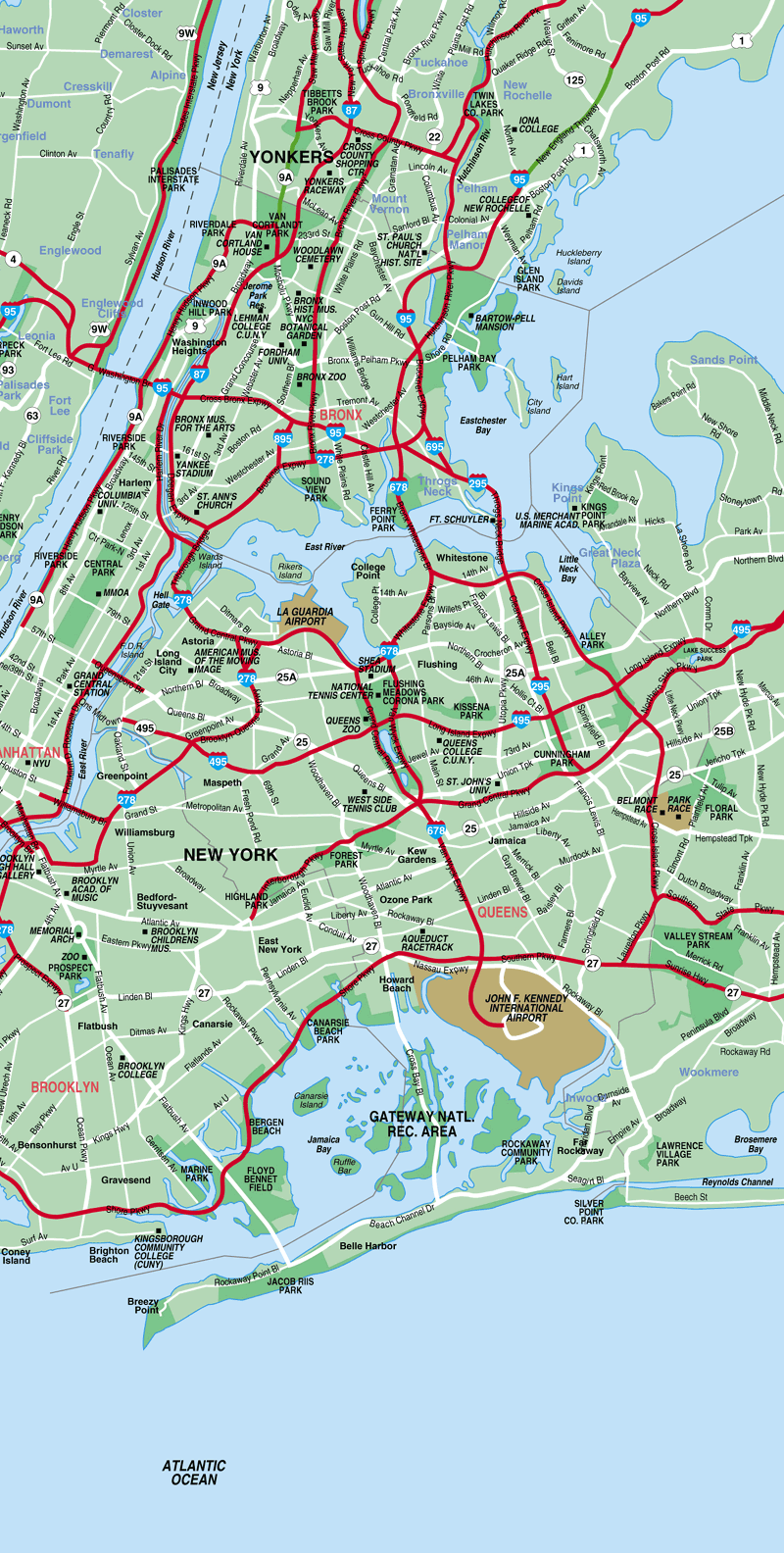
If you are standing in Times Square or walking through the trails of Central Park, you are in the East. You are in a place governed by the time zones, coastal climate, and historic trade routes of the American Atlantic. Yet, you are also in a place that serves as the gateway to the West, a laboratory of innovation that defines the trajectory of the entire continent.
Ultimately, New York does not fit neatly into a compass point. It is the center of its own world—a place that defines the direction of the culture rather than being defined by it. Whether you are traveling for business or pleasure, from Brooklyn to Syracuse, you are experiencing a region that has successfully reconciled the traditions of the East with the relentless, pioneering spirit of the West.
LifeOutOfTheBox is a participant in the Amazon Services LLC Associates Program, an affiliate advertising program designed to provide a means for sites to earn advertising fees by advertising and linking to Amazon.com. Amazon, the Amazon logo, AmazonSupply, and the AmazonSupply logo are trademarks of Amazon.com, Inc. or its affiliates. As an Amazon Associate we earn affiliate commissions from qualifying purchases.