
When travelers begin mapping out their journeys across the vast expanse of the United States, one of the most fundamental questions—often asked in jest or by those navigating the country for the first time—is where New York falls in the continental divide. While the geography of the nation is neatly split into distinct regions, the cultural identity of New York City is inextricably linked to the Atlantic seaboard.
To clarify, New York is definitively an East Coast destination. It sits at the heart of the northeastern corridor, serving as the cultural, financial, and transit gateway to the Atlantic states. Understanding this regional distinction is the first step in planning a quintessential American excursion, as the rhythms, climate, and topography of the East Coast differ significantly from the sun-drenched, rugged terrain of the West Coast.
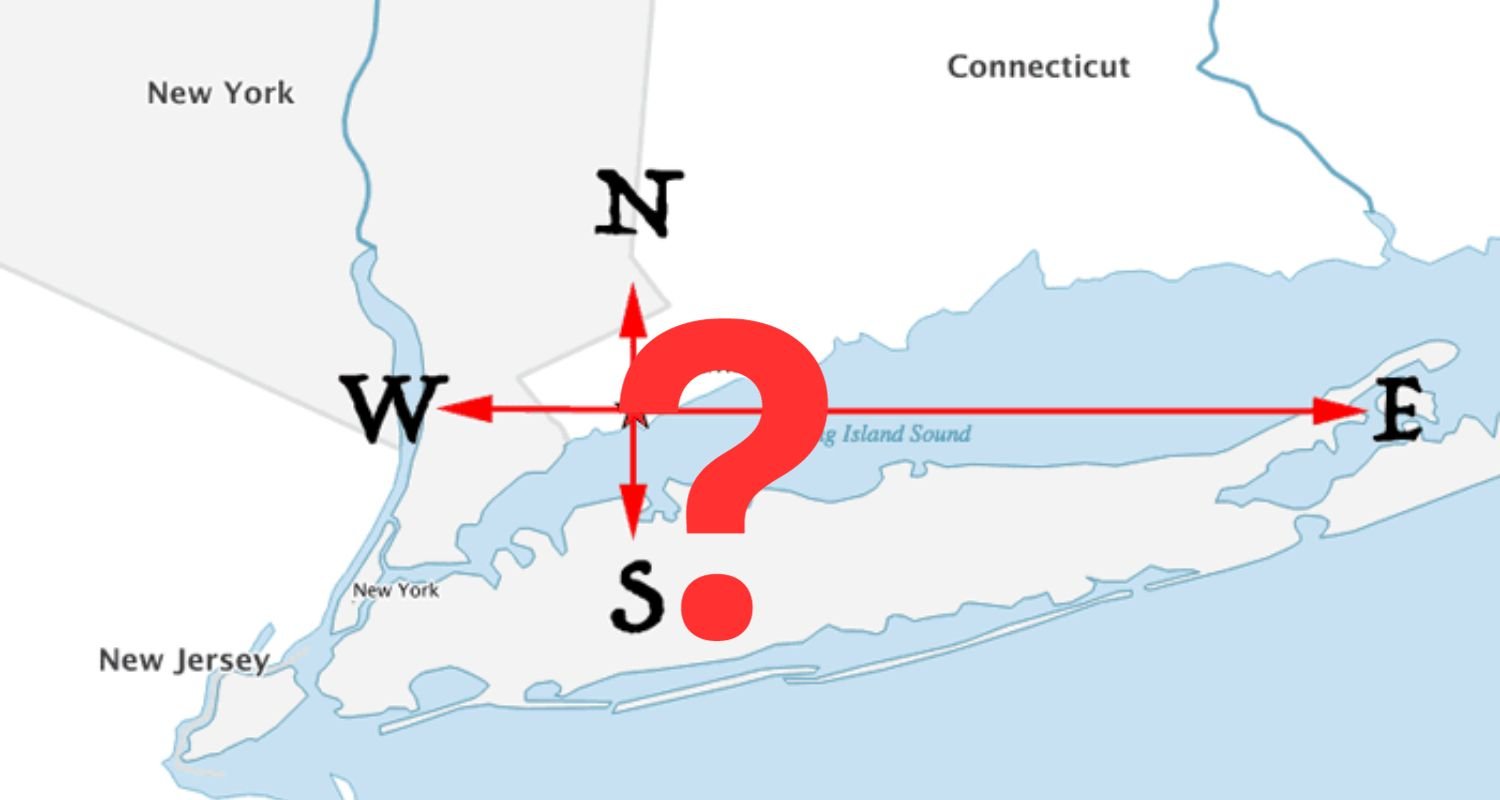
The Geographical and Cultural Identity of the East Coast
The East Coast, often referred to as the Atlantic Coast, stretches from Maine down to Florida. It is characterized by historical depth, dense urban landscapes, and a fast-paced lifestyle that mirrors the global importance of its primary hubs.
The Historic Significance of the Atlantic Seaboard
For centuries, New York has served as the primary entry point for global travelers and immigrants, anchoring the East Coast’s identity. The region is rich with colonial history, industrial evolution, and a focus on vertical urbanism. Unlike the sprawling, car-centric cities often associated with the West Coast, East Coast cities like Boston, Philadelphia, and Washington D.C. are designed with a pedestrian-first ethos, historical integrity, and an emphasis on public transit connectivity.
Climate and Seasonal Dynamics
One of the defining features of an East Coast trip is the intensity of the four distinct seasons. While the West Coast, particularly California, is celebrated for its temperate Mediterranean climate, New York experiences the full drama of the elements. From the crisp, colorful foliage of autumn in Central Park to the snowy, festive winters of the Rockefeller Center, the East Coast offers a visual and atmospheric variety that defines the travel experience.
Navigating the Major Travel Hubs of the Atlantic
As you plan your journey through the East Coast, it is essential to understand the density and proximity of the region’s major landmarks. Because the states are smaller and geographically closer compared to the sprawling expanse of the West, travelers can easily traverse multiple states in a single day.
The Northeast Corridor Connectivity
New York City serves as the central node of the Northeast Corridor. Through the efficient Amtrak rail system, travelers can reach the halls of power in Washington D.C. in roughly three hours, or step back into the revolutionary history of Boston in about four. This level of accessibility is a stark contrast to the vast distances required to travel between major West Coast cities like Los Angeles and Seattle, making the East Coast an ideal destination for those who wish to experience diverse cultures within a short time frame.

Iconic Landmarks and Their Coastal Context
When visiting New York, the proximity to the ocean is always felt, though the lifestyle is decidedly urban. The Statue of Liberty stands as a beacon on the harbor, greeting those who arrive via the Atlantic. Landmarks such as the Empire State Building and the Brooklyn Bridge are situated in a landscape that thrives on energy, ambition, and constant motion—traits that define the quintessential East Coast experience.
East Coast vs. West Coast: A Traveler’s Guide
Deciding between the two coasts often comes down to the type of experience a traveler is seeking. While the East Coast is a hub of intellectual pursuit, high finance, and historical discovery, the West Coast often leans into outdoor adventure, relaxed coastal living, and the sprawling vistas of the Pacific Ocean.
Cultural Paces and Perspectives
Travelers will notice that the “East Coast pace” is uniquely rapid. Whether it is grabbing a quick bagel at a New York City corner shop or navigating the bustling crowds of Times Square, the East Coast operates on a frequency of efficiency. In contrast, West Coast cities tend to prioritize work-life balance and recreational access, with activities centered around surfing, hiking, and road trips through iconic locations like Yosemite National Park or the Pacific Coast Highway.
Culinary and Social Experiences
The culinary scene on the East Coast is rooted in tradition and immigrant influence. From the legendary pizza slices of Brooklyn to the high-end, Michelin-starred establishments in Manhattan, the food scene is as diverse as it is historic. The West Coast, specifically regions like San Francisco, emphasizes farm-to-table freshness and innovative fusion, reflective of its proximity to agricultural powerhouses and diverse international communities.
Tips for Planning Your Atlantic Coast Itinerary
If you have decided that the historic, fast-paced allure of the East Coast is your next travel destination, preparation is key to making the most of your time.
Seasonal Planning for Optimal Travel
The best time to visit the East Coast depends on what you want to experience. If you are interested in sightseeing and long walks, the shoulder seasons of spring and fall are ideal, offering mild temperatures and vibrant scenery. If you enjoy the cultural peak of the region, winter offers a unique charm with holiday markets and indoor theater experiences that are unrivaled globally.

Essential Travel Logistics
- Public Transit: Rely on trains and subways. In cities like New York, renting a car is often more of a burden than a benefit due to limited parking and traffic congestion.
- Multimodal Exploration: Utilize the Amtrak network to link your visits between Philadelphia, Baltimore, and New York City.
- Walking Gear: Even though public transport is abundant, the most authentic way to see the East Coast is on foot. Pack comfortable, durable walking shoes, as you will likely cover several miles a day traversing the city streets and historic districts.
Ultimately, identifying New York as an East Coast city is more than just a matter of cartography; it is an understanding of the region’s soul. Whether you are walking through the historic streets of Charleston or taking in the skyline of Manhattan, the East Coast offers a tapestry of experiences that reward the curious traveler at every turn. By recognizing the unique energy of the Atlantic states, you are better equipped to craft a journey that honors the history and innovation that have long defined this vibrant portion of the United States.
LifeOutOfTheBox is a participant in the Amazon Services LLC Associates Program, an affiliate advertising program designed to provide a means for sites to earn advertising fees by advertising and linking to Amazon.com. Amazon, the Amazon logo, AmazonSupply, and the AmazonSupply logo are trademarks of Amazon.com, Inc. or its affiliates. As an Amazon Associate we earn affiliate commissions from qualifying purchases.