
When planning a trip to the iconic concrete jungle of New York City, travelers often obsess over the itinerary: which Broadway shows to catch, which museums to prioritize, and where to find the best pizza. However, one of the most practical questions that often goes overlooked until the moment a visitor steps off the plane is the climate. Is New York humid? The short answer is yes, particularly during the summer months, but understanding the nuance of the city’s weather patterns is essential for anyone looking to maximize their comfort while exploring the United States.

Understanding the New York City Climate Profile
The climate in New York is classified as humid subtropical. This means the region experiences four distinct seasons, each offering a vastly different experience for the urban explorer. While the winters can be biting and cold—often accompanied by snow—the late spring and summer months usher in a level of atmospheric moisture that can catch unprepared tourists off guard.
The Summer Peak
From late June through August, humidity levels in the city often spike. Because Manhattan is an island surrounded by water, the humidity is frequently exacerbated by the proximity to the Atlantic Ocean. The “Urban Heat Island” effect further complicates matters. The dense concentration of pavement, brick, and steel absorbs heat throughout the day and releases it slowly at night, trapping moisture and making the city feel significantly warmer than the ambient air temperature recorded in more rural areas.
The Transition Seasons
Spring and autumn are arguably the best times to visit New York City. During these periods, the humidity remains at manageable levels. In April and May, the air is generally crisp, though occasional rain showers are common. By late September and October, the humidity drops off entirely, leaving behind that famous, cool, clear autumn air that makes walking through Central Park a dream.
Navigating the City’s Heat and Moisture
If you find yourself visiting during a humid spell, you don’t need to hole up in your hotel room. The city is designed to help you cope, provided you know where to go and how to manage the environment.
The Underground Experience
The New York City Subway is a marvel of engineering, but it can become notoriously humid during the summer. Station platforms are located deep underground where the heat from the trains gets trapped. If you are sensitive to heat, try to limit your time waiting on platforms. During peak summer heat, opt for buses or ride-sharing services if you want to avoid the stifling air of the subway stations.

Green Oases and Waterways
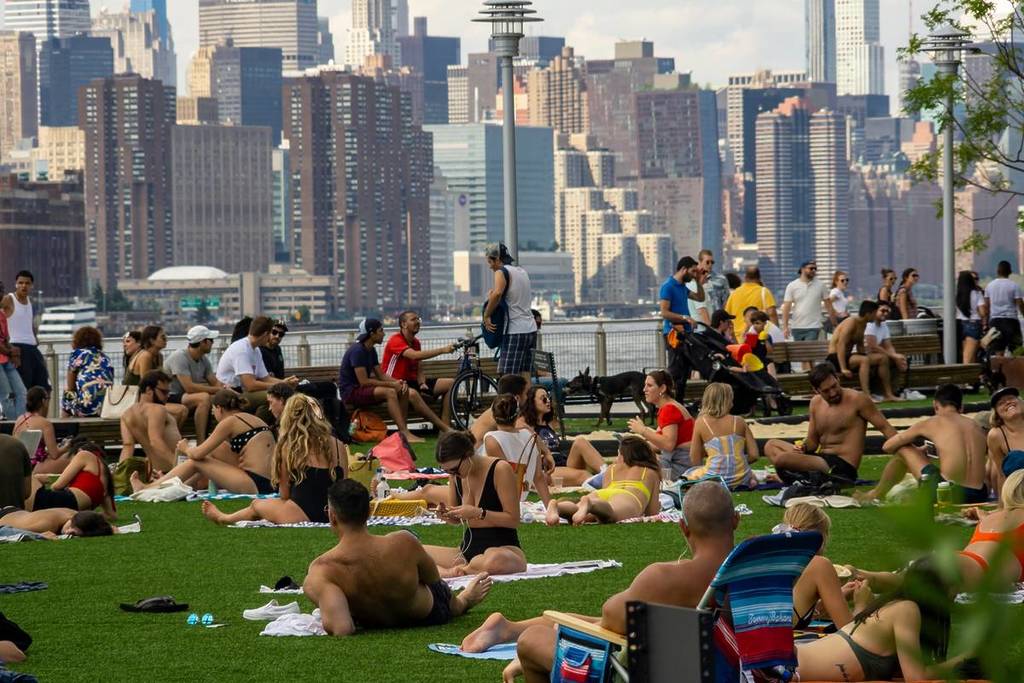
When the humidity starts to climb, follow the lead of the locals. New Yorkers flock to the many public parks and waterfronts to catch a breeze. The High Line offers an elevated perspective where air circulation is noticeably better than down at street level. Alternatively, head to Brooklyn Bridge Park to take advantage of the cooling effect provided by the East River.
Strategic Sightseeing
To survive the humidity, employ a “split-day” strategy. Spend your mornings outdoors, visiting landmarks like the Statue of Liberty or the Empire State Building before the sun reaches its zenith. Use the peak hours of 2:00 PM to 5:00 PM to duck into air-conditioned spaces. The Metropolitan Museum of Art and the Museum of Modern Art are perfect retreats where you can enjoy world-class culture in climate-controlled comfort.
Essential Tips for a Comfortable Visit
Preparation is the key to enjoying New York regardless of the humidity index. Packing the right gear can make the difference between a miserable trek and a memorable adventure.
- Fabric Choice Matters: Leave the heavy denim at home during the summer. Opt for lightweight, moisture-wicking fabrics like linen, bamboo, or high-performance athletic wear. These materials allow your skin to breathe and dry much faster than heavy cotton.
- Hydration Stations: Carry a reusable water bottle. While you won’t always find public fountains, many coffee shops and delis will refill your bottle upon request. Staying hydrated is your primary defense against heat exhaustion.
- Embrace the “Indoor-Outdoor” Balance: Plan your route so that you are never too far from an air-conditioned shop or café. If you find yourself sweating through your clothes, do not hesitate to duck into a bookstore or a lobby to cool down for ten minutes.
- Footwear Considerations: Humidity often leads to swelling. Choose comfortable, breathable walking shoes rather than tight leather boots. If you plan on walking from Times Square to Rockefeller Center, your feet will thank you for the extra room and ventilation.
When Should You Book Your Trip?
If you are particularly sensitive to humidity, it is worth looking at the historical weather data before finalizing your travel dates. While the allure of a New York summer—with its outdoor movie screenings, rooftop bars, and bustling street fairs—is undeniable, the months of July and August represent the peak of the city’s humidity.
The Case for Spring
Visiting in late May offers the best of both worlds. The city is in full bloom, the outdoor cafes are opening, and the oppressive humidity of the mid-summer hasn’t arrived yet. You will find that walking across the Brooklyn Bridge is much more pleasant when you aren’t fighting against a heavy, moisture-laden atmosphere.
The Case for Autumn
October is widely considered the “sweet spot” for New York. The humidity has effectively vanished, replaced by a refreshing chill. This is the optimal time for long-distance walking tours, visiting the 9/11 Memorial & Museum, or simply wandering through the historic streets of Greenwich Village.
In conclusion, while New York can be quite humid, it is rarely a deal-breaker for a determined traveler. By understanding the rhythm of the city’s climate, choosing your timing wisely, and respecting the influence of the Atlantic Ocean on the local weather, you can ensure that your visit to the greatest city in the world remains a highlight of your travel experiences. Whether you are seeking the glitz of Broadway or the history found in Lower Manhattan, don’t let a bit of moisture deter you. Just pack accordingly, keep your water bottle full, and enjoy everything that this vibrant metropolis has to offer.
LifeOutOfTheBox is a participant in the Amazon Services LLC Associates Program, an affiliate advertising program designed to provide a means for sites to earn advertising fees by advertising and linking to Amazon.com. Amazon, the Amazon logo, AmazonSupply, and the AmazonSupply logo are trademarks of Amazon.com, Inc. or its affiliates. As an Amazon Associate we earn affiliate commissions from qualifying purchases.