
For millions of residents and the constant stream of visitors exploring New York City, the humble glass of tap water is a daily necessity. Whether you are grabbing a quick drink while walking through Central Park or filling a reusable bottle before heading to the Metropolitan Museum of Art, the quality of the local water supply is a common question. Known globally as “NYC tap,” the water in New York is often touted as some of the best in the world, frequently credited with giving the city’s famous bagels and pizza crusts their distinct texture and flavor.
But beyond the culinary reputation, is it truly safe for consumption? Understanding the journey of the water from the mountains to your faucet provides the necessary context for why this resource is held in such high regard by both locals and those visiting North America.
The Source: Pristine Reservoirs and Protected Watersheds
The primary reason behind the safety and quality of New York tap water is its origin. Unlike many major metropolitan areas that rely on treated groundwater or river water, the majority of the city’s supply comes from an expansive network of nineteen reservoirs and three controlled lakes located in the Catskill Mountains, the Delaware River basin, and the Croton Watershed.
The Catskill and Delaware Watersheds
Approximately 90% of the city’s water is sourced from the Catskill and Delaware systems. These regions are situated far north of the city, shielded from the industrial runoff and pollutants that often plague urban water sources. Because the water is gathered in protected wilderness areas, it arrives at the city’s intake points already remarkably clean. This natural filtration process through soil, forest floors, and rock strata acts as the first, and perhaps most significant, line of defense in maintaining high water standards.
Environmental Stewardship
The New York City Department of Environmental Protection (DEP) manages this land with extreme rigor. By purchasing and strictly regulating land surrounding these reservoirs, the city prevents development, sewage runoff, and heavy agriculture, ensuring that the source water remains pristine. This commitment to source protection is so effective that New York City remains one of the few major cities in the United States that is exempt from the Environmental Protection Agency mandate to filter its surface water.
Treatment and Rigorous Testing Protocols
While the water is pure at the source, the journey into the five boroughs involves sophisticated treatment and monitoring to ensure it remains safe through every mile of piping.

Advanced Disinfection
Before the water reaches the distribution mains in Manhattan or Brooklyn, it undergoes a standardized treatment process. This includes chlorination to kill bacteria and prevent the growth of harmful microorganisms, as well as fluoridation to support dental health. Additionally, the Catskill water is treated with ultraviolet light at the Croton Water Filtration Plant, a state-of-the-art facility that inactivates pathogens like Cryptosporidium and Giardia.
Daily Monitoring
The New York City Department of Environmental Protection conducts hundreds of thousands of tests annually. Samples are taken from a vast network of testing stations scattered across the city, far exceeding the requirements set by the Safe Drinking Water Act. These tests monitor for everything from lead and copper to pesticides and industrial chemicals. The results are published in an annual Water Quality Report, which is publicly accessible, ensuring complete transparency regarding the chemical composition of the water you consume at a hotel in Times Square or a cafe in Queens.
Addressing Common Concerns: Pipes and Infrastructure
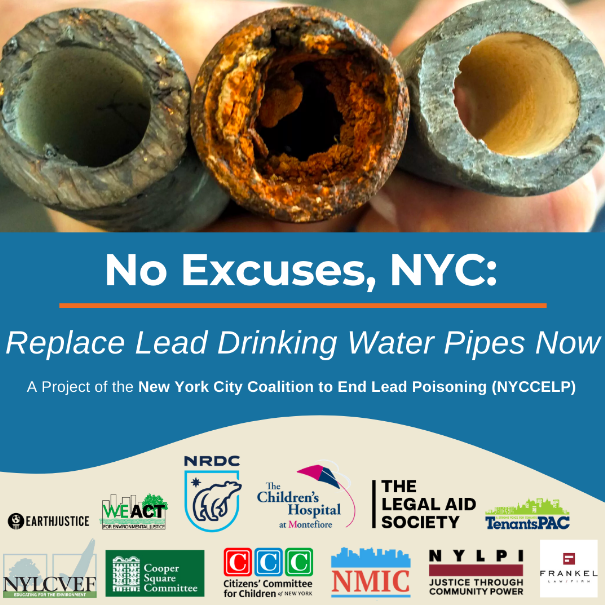
The most common concern regarding New York tap water is not the quality of the water itself, but the age of the delivery infrastructure. New York City has some of the oldest plumbing systems in the country, and lead piping is a lingering reality in certain historic residential buildings and older tenements.
Internal Plumbing Issues
The city’s water mains are generally made of cast iron or steel, which are well-maintained. However, if you are staying in a building constructed before the 1950s, there is a possibility that internal lead service lines or solder may still exist. The city has taken proactive measures to mitigate this risk, including chemical treatments that coat the interior of pipes to prevent lead from leaching into the water supply.
Practical Tips for Travelers
For those staying in short-term rentals or older historic hotels in areas like the Upper West Side or Greenwich Village, there are simple steps to ensure optimal water quality:
- Flush the Tap: If the water has been sitting in your pipes for several hours (such as overnight), let the cold water run for about 30 seconds to two minutes before filling your glass. This clears out water that has been in contact with household plumbing.
- Use Cold Water Only: Always draw water for drinking or cooking from the cold tap. Hot water is more likely to contain impurities or sediment picked up from the water heater or aging internal pipes.
- Inquire with Management: If you are staying at a major hotel chain or a luxury resort near Fifth Avenue, the staff can usually provide information regarding their building’s plumbing and filtration status.
Why NYC Tap Water Is the Preferred Choice
For the environmentally conscious traveler, choosing tap water over bottled water is not just a safety decision; it is a lifestyle choice that resonates with the culture of New York City. The production and transportation of single-use plastic bottles contribute significantly to carbon emissions and waste. By opting for tap water, visitors participate in a local tradition that prioritizes the city’s natural resources.
Furthermore, the taste of New York water is frequently praised by experts. Because the water is relatively “soft” and lacks the heavy mineral content found in many other regions, it is considered cleaner-tasting and more refreshing. This quality is precisely what sets local food establishments, from the historic diners of The Bronx to the high-end eateries of Staten Island, apart from their counterparts elsewhere.
When you traverse the iconic streets of Wall Street or gaze at the skyline from the Brooklyn Bridge, you are surrounded by a city that takes its infrastructure seriously. The water that flows from the tap is a testament to nearly a century of careful environmental management and a commitment to public health. It is safe, it is regulated, and it is a highlight of the New York experience that every visitor can enjoy with confidence. By carrying a reusable bottle, you not only save money but also immerse yourself in the authentic, sustainable rhythm of life in this global capital.
LifeOutOfTheBox is a participant in the Amazon Services LLC Associates Program, an affiliate advertising program designed to provide a means for sites to earn advertising fees by advertising and linking to Amazon.com. Amazon, the Amazon logo, AmazonSupply, and the AmazonSupply logo are trademarks of Amazon.com, Inc. or its affiliates. As an Amazon Associate we earn affiliate commissions from qualifying purchases.