
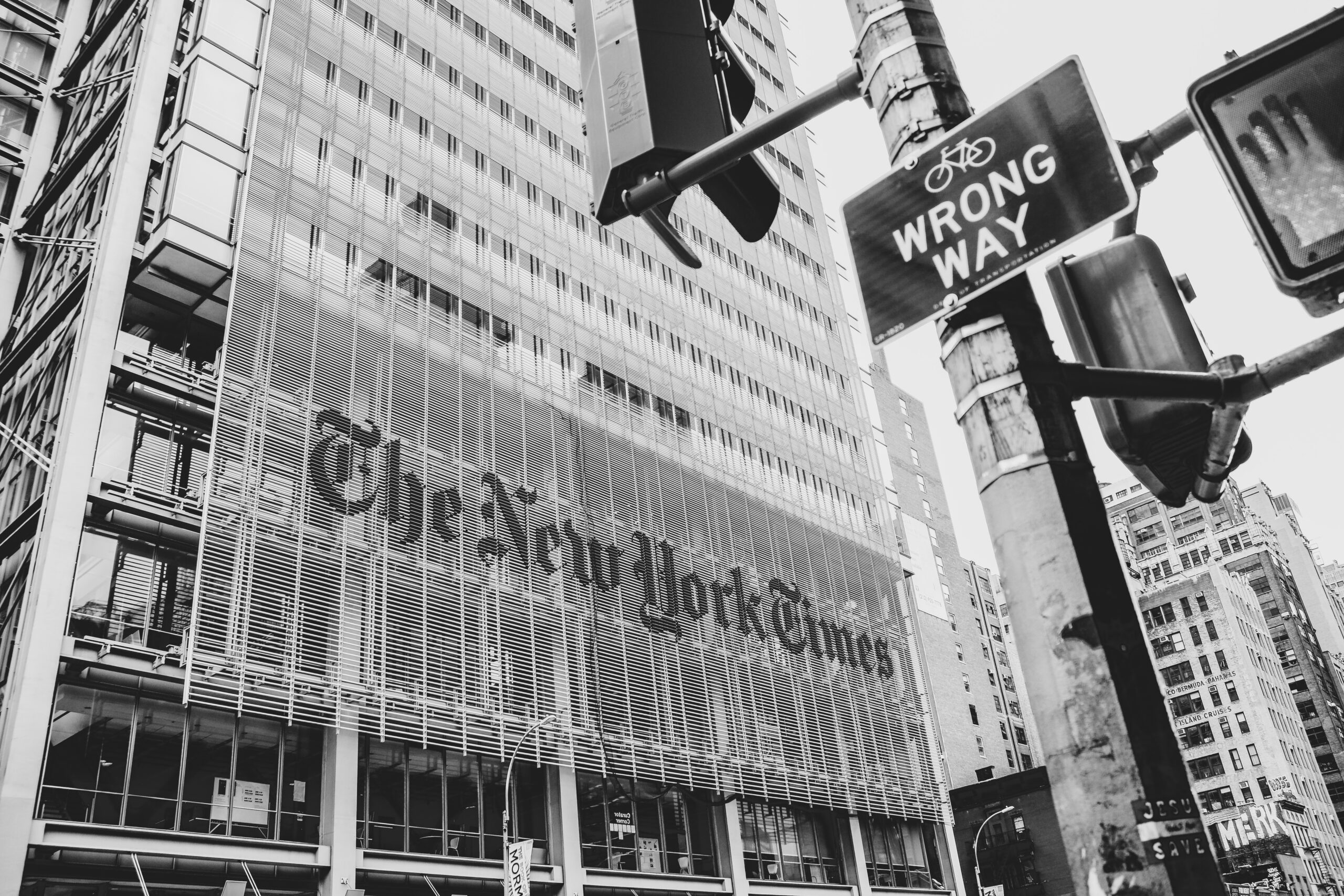
When planning a luxury excursion or a deep-dive cultural trip to a major metropolitan hub like New York City, travelers often find themselves overwhelmed by the sheer volume of information available. Whether you are researching the hidden architectural gems of Manhattan or seeking an informed perspective on the evolving culinary scene in Brooklyn, the sources you choose to consult can significantly impact the quality of your experience. Many sophisticated travelers turn to The New York Times for travel inspiration and historical context. However, the question of whether this publication serves as a “scholarly” source—and how that status applies to a traveler’s research—is a nuanced one that deserves exploration within the context of high-end, informed tourism.
The Distinction Between Journalism and Scholarly Research
In the realm of academia, a scholarly source is typically defined by rigorous peer review, primary research, and an adherence to specific methodological standards. Conversely, a newspaper is a product of journalism, intended to inform the public quickly and accessibly. For a traveler researching a stay at the St. Regis New York or the history of Central Park, understanding this distinction is vital.
Journalistic Integrity in Travel Writing
While The New York Times may not be a peer-reviewed academic journal, it occupies a unique tier of reportage. When the publication covers destinations such as Paris or Tokyo, it employs travel writers who act as expert observers. They conduct field research, interview local authorities, and provide cultural critiques that go far beyond standard travel brochures. For a traveler looking to understand the socio-political climate of a destination, this journalistic insight is often more relevant than the dry, theoretical data found in academic archives.
When Journalism Becomes an Authority
The credibility of a news outlet often rests on its editorial process. When a publication dedicates its resources to fact-checking and comprehensive investigation, it assumes an authoritative role. For travelers preparing for an extended stay in Italy or London, the depth of coverage provided by major newspapers can serve as a primary guide. It acts as a bridge between dense historical literature and the lived reality of a modern tourist.
Leveraging News Media for Cultural Immersion
For the discerning traveler, “scholarly” is perhaps not the goal; “informed” is. Cultural tourism requires an understanding of a location’s living history. If you are staying at The Savoy in England, reading the local and international perspectives on the city’s heritage can transform a standard holiday into an immersive intellectual experience.
Contextualizing Landmarks and History
Newspapers excel at providing the “why” behind the “what.” If you visit the Louvre Museum in France, you will see the art. But if you read the long-form features in reputable outlets, you gain insight into the provenance of the collection, the political nuances of its acquisition, and the current debates surrounding its exhibits. This adds a layer of depth to your itinerary that simple guidebook entries cannot match.

Curated Experiences and Socio-Economic Insight
The best travel journalism provides an analysis of the local economy and social dynamics. Understanding how Singapore balances its rapid modernization with its green initiatives, or how Mexico City navigates its complex colonial past, allows a traveler to move through these spaces with greater empathy and awareness. By utilizing high-level journalism, you transition from a passive consumer of sights to an active, informed participant in the global culture.
The Role of Critical Analysis in Travel Planning
Travelers who prioritize intellectual engagement often seek out critiques of infrastructure, dining, and hospitality. This is where journalism functions as a proxy for rigorous scholarship.
Evaluating Luxury Hospitality
When deciding between the Four Seasons Resort in Maui or a historic boutique hotel in Kyoto, travelers often rely on the scrutiny of professional travel writers. These writers evaluate more than just the thread count of the linens; they assess the sustainability practices, the integration with local culture, and the authentic hospitality of the staff. This critical lens ensures that your investment in travel yields an experience consistent with your values.
Navigating Ethical Tourism
Scholarship often addresses the ethical implications of tourism, including issues such as gentrification in Lisbon or over-tourism in Venice. Major newspapers are frequently at the forefront of these discussions. By engaging with these articles, travelers can make informed decisions about when, where, and how to travel, ensuring their presence contributes positively to the communities they visit.
Synthesizing Diverse Perspectives
To achieve a truly “scholarly” level of understanding for your next trip, one should never rely on a single source. Instead, construct a mosaic of information that includes:
- Primary Historical Texts: Dive into the archives regarding sites like the Acropolis in Greece to understand the architectural significance.
- Professional Travel Journalism: Utilize the deep reporting from international newspapers to grasp current cultural trends and local etiquette.
- On-the-Ground Cultural Experts: Engage with local guides who can synthesize formal history with oral traditions and personal experience.
The Value of Balanced Research
If you are planning a journey to Dubai or Istanbul, start with the historical foundations found in academic or semi-academic texts. Then, layer on the journalistic perspectives from reputable outlets. This hybrid approach ensures that your expectations are tempered by reality and enriched by context. You will find that your appreciation for the Great Wall of China or the Sydney Opera House increases exponentially when you understand both the historical necessity of the structure and its current cultural resonance.

Final Considerations for the Informed Traveler
Ultimately, the value of a source is measured by its utility to the reader. While The New York Times may not carry the weight of a peer-reviewed journal in a classroom setting, its utility in the field of tourism is immense. It provides the contemporary narrative, the critical edge, and the human interest stories that make a destination come alive. As you curate your next itinerary—whether to a remote lodge in Switzerland or a bustling metropolis like Shanghai—remember that the best travel research is as much about curiosity as it is about verification. By synthesizing diverse perspectives and maintaining a critical, inquisitive mindset, you turn every voyage into a profound, intellectually stimulating chapter of your own life’s story. The depth of your experience depends entirely on the breadth of your inquiry, and by treating reputable journalism as a vital resource, you ensure that your travel is as thoughtful as it is memorable.
LifeOutOfTheBox is a participant in the Amazon Services LLC Associates Program, an affiliate advertising program designed to provide a means for sites to earn advertising fees by advertising and linking to Amazon.com. Amazon, the Amazon logo, AmazonSupply, and the AmazonSupply logo are trademarks of Amazon.com, Inc. or its affiliates. As an Amazon Associate we earn affiliate commissions from qualifying purchases.