
The question of whether one will encounter snow in New York is a query that occupies the minds of millions of travelers every year. As a city that serves as a global beacon for winter tourism, the Big Apple transforms under the influence of cold fronts and atmospheric shifts. Understanding the seasonality and the meteorological rhythm of this concrete jungle is essential for anyone looking to experience the quintessential aesthetic of a white winter.
The Seasonal Patterns of Precipitation
New York is defined by a temperate continental climate, which means that while seasons are distinct, they are also prone to variability. The window for snowfall typically opens in late November and can extend well into April, though the core “snow season” is firmly rooted between January and February.

Understanding the Historical Climate
Historically, the city experiences its heaviest accumulations in the peak of winter. January often provides the coldest temperatures, creating the ideal environment for snow to settle rather than melt upon contact with the pavement. However, the erratic nature of the North Atlantic Oscillation can cause “warm spells,” where temperatures hover well above freezing, turning potential snowstorms into chilling rain.
The Role of Nor’easters
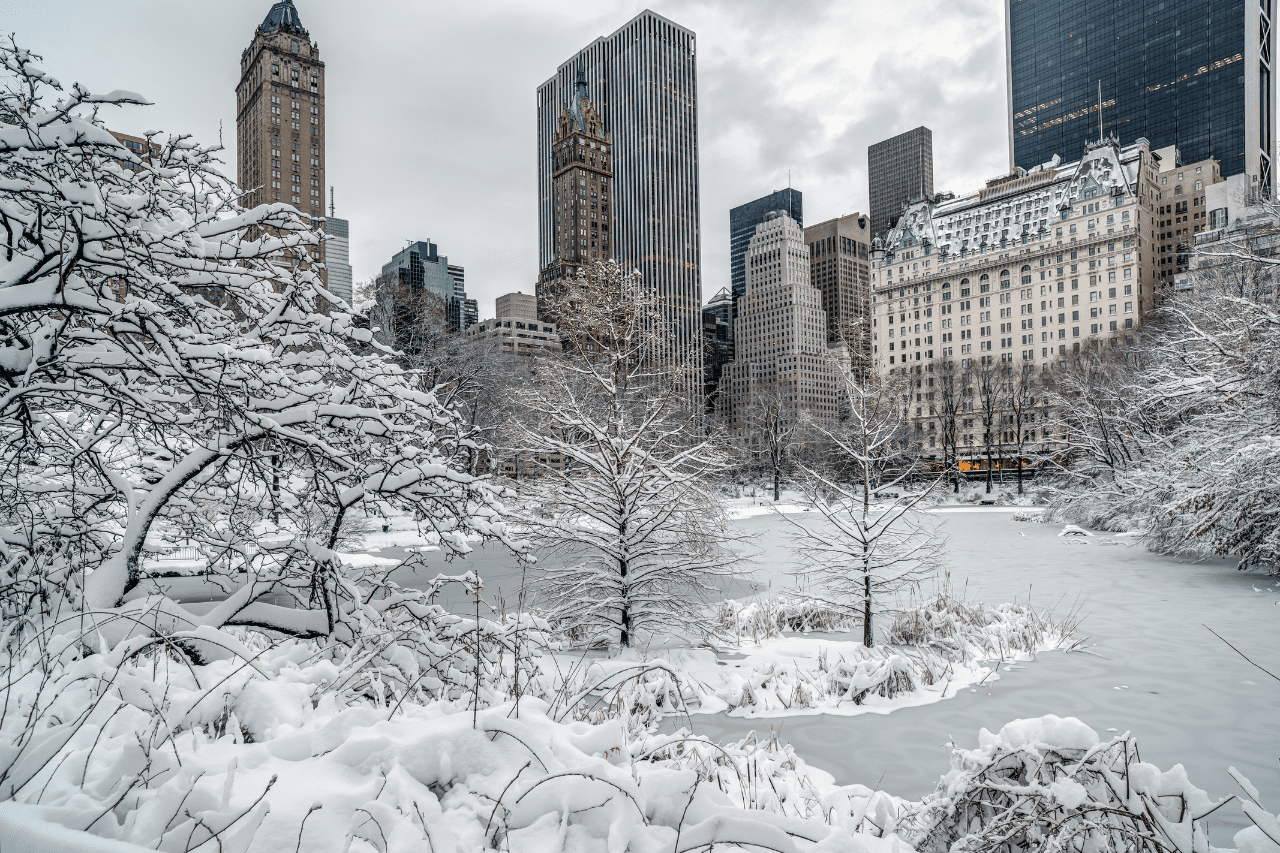
Much of the significant snow accumulation in the region is driven by “Nor’easters.” These are intense storm systems that track along the East Coast of the United States. When these storms collide with cold air pouring down from Canada, they create the heavy, blanket-like snowfall that covers iconic locations like Central Park. These events are the highlight for many travelers who specifically visit during winter to capture the photographic beauty of a snow-dusted metropolis.
Navigating the Winter Landscape
Experiencing snow in the city is a transformative experience, but it requires a strategic approach to travel. The urban environment handles snow differently than rural landscapes, and understanding these dynamics is key to a smooth journey.
Iconic Snow-Covered Landmarks
When the snow falls, certain areas become magnets for visitors seeking the perfect winter shot. Times Square takes on a surreal quality as the bright digital billboards reflect off the freshly fallen powder. Similarly, the Brooklyn Bridge offers a striking silhouette against a gray, snowy sky, making it one of the most photographed locations during a winter storm. For those who enjoy architecture, the Empire State Building provides a dramatic view of the snow-covered grid of Manhattan from its observation decks.
Logistics and Urban Maintenance
The city is exceptionally efficient at clearing major thoroughfares. The Department of Sanitation employs a fleet of plows and salt spreaders that work tirelessly to ensure that major arteries remain navigable. While this keeps the city moving, it also means that the pristine white blanket often turns to a gray slush within 24 to 48 hours of a storm. Timing is everything; to catch the magic, one must be on the ground while the flakes are still falling or immediately after the storm concludes.

Tips for the Winter Traveler
Visiting during the colder months requires a shift in packing and planning. While the snow provides a beautiful backdrop, it also introduces challenges that demand preparation.
Strategic Packing for the Elements
The key to enjoying a snowy trip is layering. Start with thermal base layers, move to an insulating middle layer—like a wool sweater or a down vest—and finish with a high-quality, windproof, and water-resistant outer coat. Because the sidewalks can be wet, waterproof boots are non-negotiable. Many travelers arrive in New York City with inadequate footwear, only to find themselves uncomfortable within hours of navigating the icy patches that inevitably form on pedestrian crossings.
Timing Your Visit for Optimal Chances
If your primary goal is to see snow, aim for late January or early February. While no meteorologist can guarantee a storm, these months offer the highest statistical probability of snowfall. Keep a close eye on the long-range weather forecasts, but remain flexible. The city’s infrastructure is robust, but public transit—specifically the Subway—can occasionally experience delays during extreme weather events.
Beyond the Snow: Alternative Winter Activities
Even if the weather does not cooperate and the city remains dry during your visit, the winter atmosphere persists. During the colder months, the culture of the city shifts indoors. This is the prime season for theater in the Broadway district or spending hours exploring the vast collections at the Metropolitan Museum of Art.
If you find yourself in the city during the holiday season, the festive energy often compensates for a lack of natural snow. The lighting ceremonies at Rockefeller Center and the elaborate storefront displays along Fifth Avenue provide a winter wonderland aesthetic, regardless of whether a single flake of snow has touched the ground.
The Cultural Impact of Winter Weather
Snow in the city is more than just a weather event; it is a cultural phenomenon that alters the behavior of the populace. There is a distinct “hush” that falls over the streets during a heavy snowfall, a rare moment of silence in a city that never sleeps.
The Social Scene
During a snowstorm, the city’s social life migrates into cozy, dimly lit venues. You will find that the local bars and cafes in Greenwich Village become crowded refuges. This is a fantastic opportunity for travelers to experience the local culture, as the communal atmosphere of escaping the cold brings locals and visitors together in a shared appreciation for warmth.
Photography and Aesthetics
For the creative traveler, a snowy day provides a color palette that is impossible to replicate. The contrast between the stark white snow and the yellow cabs, red brick facades, and dark steel of the skyline creates a visual depth that is world-renowned. Whether you are a professional photographer or a casual enthusiast, the atmospheric quality of a winter morning in Washington Square Park is worth the chill.
Ultimately, whether you catch the city under a blanket of white or witness it in the crisp, cold clarity of a post-storm day, the winter season remains a profound time to explore. The unpredictable nature of the climate simply adds another layer of intrigue to the experience, making every visit unique. By packing wisely, managing your expectations, and embracing the cold, you will find that the city offers a winter experience that is as sophisticated as it is memorable. Always check local news outlets, such as the New York Times, during your stay to remain updated on potential storm warnings or municipal advisories, ensuring your journey remains both safe and enjoyable.
LifeOutOfTheBox is a participant in the Amazon Services LLC Associates Program, an affiliate advertising program designed to provide a means for sites to earn advertising fees by advertising and linking to Amazon.com. Amazon, the Amazon logo, AmazonSupply, and the AmazonSupply logo are trademarks of Amazon.com, Inc. or its affiliates. As an Amazon Associate we earn affiliate commissions from qualifying purchases.