
The term “Upstate” is one of the most debated geographical labels in the United States. To the casual observer, it might simply imply anything north of New York City. However, for residents of the Empire State, the definition is far more nuanced, shifting depending on whether you are talking to a native of Buffalo, a resident of the Hudson Valley, or someone living in the Adirondack Mountains. Understanding what “Upstate” actually means requires peeling back layers of culture, geography, and economic identity.
The Geographical Spectrum of Upstate
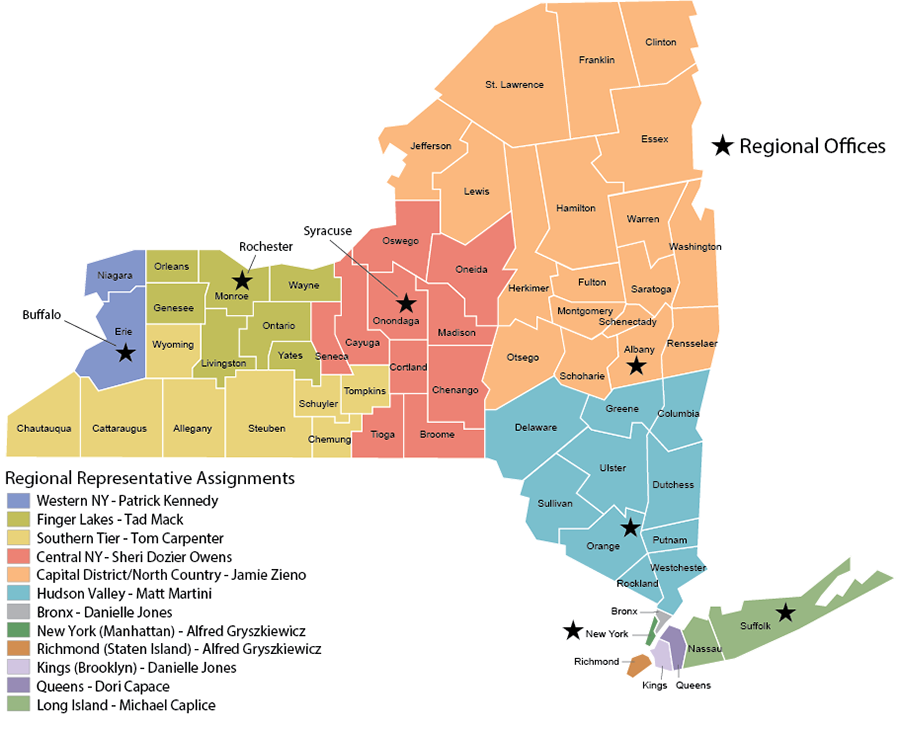
Geographically, the vast majority of New York State is, by definition, “up” from the city. But the reality is that the state is a massive tapestry of varied terrains and climates.
From the Catskills to the Great Lakes
The southern reaches of what is colloquially termed Upstate often begin in the Catskill Mountains, a region defined by dense forests, rolling hills, and a deep history of artistic and musical influence. Moving westward, the landscape transitions into the rolling pastoral scenery of the Finger Lakes, famous for their deep glacial basins and thriving viticulture. Further west still, the landscape opens up toward the Great Lakes, where Lake Erie and Lake Ontario provide a distinct maritime climate that separates the northern and western sections from the interior.
The North Country and the Border
When locals speak of the “North Country,” they are referring to the area stretching toward the St. Lawrence River and the border with Canada. This region is wilder, colder, and more sparsely populated. It encompasses the Thousand Islands and the northern reaches of the Adirondack Park, a massive protected wilderness that serves as the lungs of the state. These areas are not just “not the city”; they possess an entirely different pace of life.
Cultural Identity and the “Upstate” Divide
Defining Upstate often feels like a cultural tug-of-war. To those in Manhattan or Brooklyn, “Upstate” is frequently used as a blanket term for anything that lacks a subway system. This reductionist view is a common point of contention for those who live in vibrant, historic urban centers like Albany, Syracuse, or Rochester.
The Urban Centers of the North
These cities are the economic and cultural anchors of the region. Albany, as the state capital, represents the seat of political power and holds a deep, colonial-era architectural legacy. Rochester, historically known for innovation and manufacturing, serves as a hub for education and high-tech industries. Syracuse sits at the geographic crossroads of the state, bridging the gap between the east and the west. These are not merely rural outposts; they are complex cities with unique identities that are often overshadowed by the prominence of the downstate metropolis.
The “Downstate” vs. “Upstate” Tug-of-War
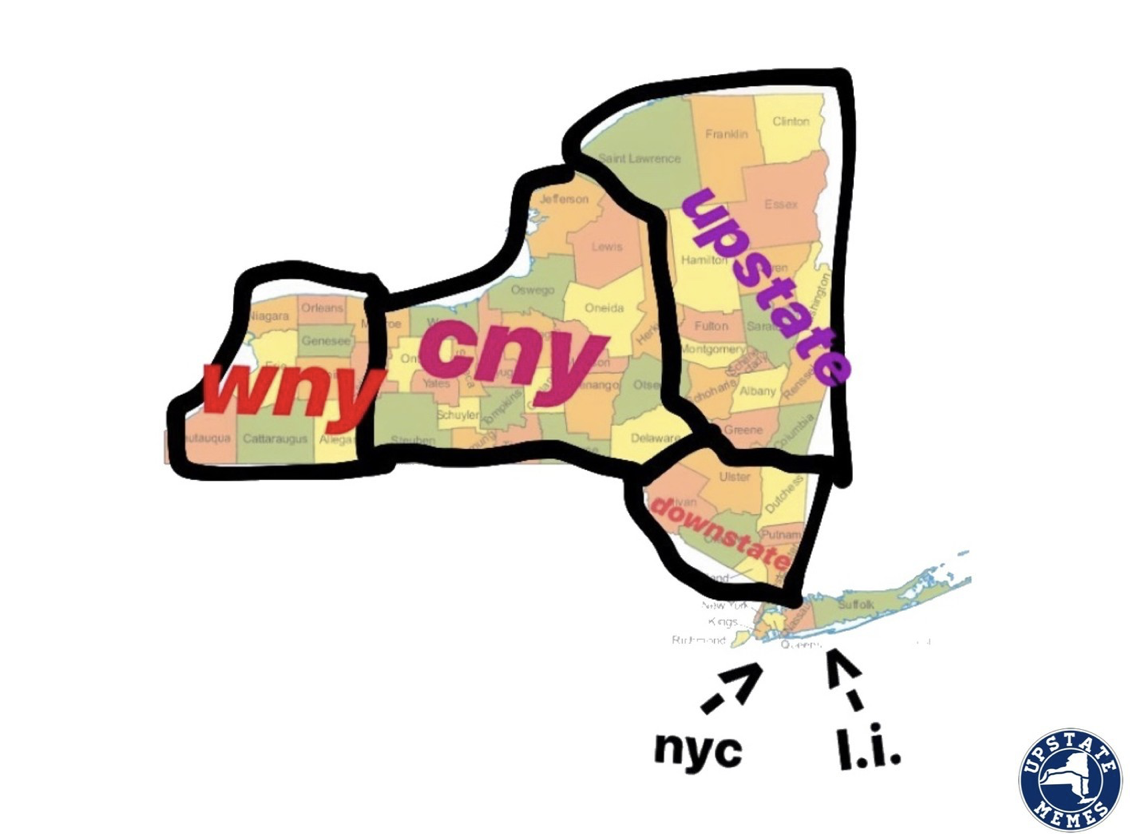
The political and economic divide between the city and the remainder of the state is a persistent theme in local discourse. Downstate—comprising New York City, Long Island, and often Westchester County—is frequently viewed as a separate entity from the rest of the state. Upstate residents often express frustration that state legislation and tax policies are designed with the specific needs of the metropolitan area in mind, failing to account for the agricultural and small-town economic realities of the interior.
Defining the Borders: Where Does it Start?
The question of where “Upstate” truly begins is perhaps the most debated topic in the region. There is no formal line on a map, but there are several schools of thought.
The Transit Limit
One common definition is based on commuter rail. If you can reach Grand Central Terminal via the Metro-North Railroad, you are often considered “Downstate” or “The Suburbs.” Once you cross into territory where you rely on cars or regional rail, the definition of Upstate feels more concrete. This places the demarcation line somewhere near Poughkeepsie or the southern edge of the Hudson Valley.
The Cultural Threshold
Others argue that “Upstate” is a state of mind rather than a coordinate. Many consider the Capital District to be the true gateway to the north. Anything below this, including the Mid-Hudson Valley, is sometimes categorized as “Lower New York” or “Downstate.” This distinction relies on the shift from dense suburban environments to the more isolated, rural, and mountainous geography that defines the true spirit of the north.
The Appeal of the Upstate Experience
Regardless of the debates surrounding the nomenclature, the region is undeniably a premier destination for those seeking experiences outside of the urban crush.
Four Seasons of Adventure
Upstate New York offers a distinct four-season experience. Winter in Lake Placid attracts enthusiasts from across the globe, thanks to its history as a host for the Winter Olympic Games. Summer brings travelers to the Niagara Falls, a natural wonder that straddles the border with Ontario. Autumn in the Berkshires or the Adirondacks provides some of the most spectacular fall foliage on the planet.
A Culinary and Artistic Renaissance
The region has also seen a resurgence in its culinary and arts scenes. Small towns like Woodstock and Beacon have become artistic enclaves, drawing creative spirits from the city. The farm-to-table movement is not a trend here; it is a way of life supported by the rich soil of the Central New York region. From the craft breweries of Cooperstown to the high-end boutique hotels tucked into the hills of Rhinebeck, the area offers a level of sophistication that defies the stereotypical “rural” label.

A Lasting Impression
“Upstate” is an evolving concept. It is a region that refuses to be defined by a single descriptor. Whether it is the industrial grit of Buffalo, the academic prestige of Ithaca, or the rugged, pristine beauty of the High Peaks, the area contains multitudes.
Ultimately, identifying the meaning of Upstate is less about finding a definitive border and more about recognizing the distinct, multifaceted character of the land that makes up the heart of New York State. It is a place of grand natural scale, profound historical significance, and a community identity that remains resilient and proud, separate from the massive influence of the state’s namesake city. For those who travel there, the experience is clear: Upstate is not just a direction—it is a destination with its own rhythm, its own history, and its own enduring soul.
LifeOutOfTheBox is a participant in the Amazon Services LLC Associates Program, an affiliate advertising program designed to provide a means for sites to earn advertising fees by advertising and linking to Amazon.com. Amazon, the Amazon logo, AmazonSupply, and the AmazonSupply logo are trademarks of Amazon.com, Inc. or its affiliates. As an Amazon Associate we earn affiliate commissions from qualifying purchases.