
Understanding the temporal landscape of a global hub like New York is essential for any traveler, business professional, or international coordinator. As one of the world’s most significant financial and cultural centers, New York City operates on a specific time standard that dictates everything from stock market opening bells to the curtain rise on Broadway. For those mapping out their itinerary or scheduling cross-continental meetings, knowing how this metropolis aligns with Greenwich Mean Time (GMT) is the first step toward seamless coordination.
The Standard Time of the Big Apple
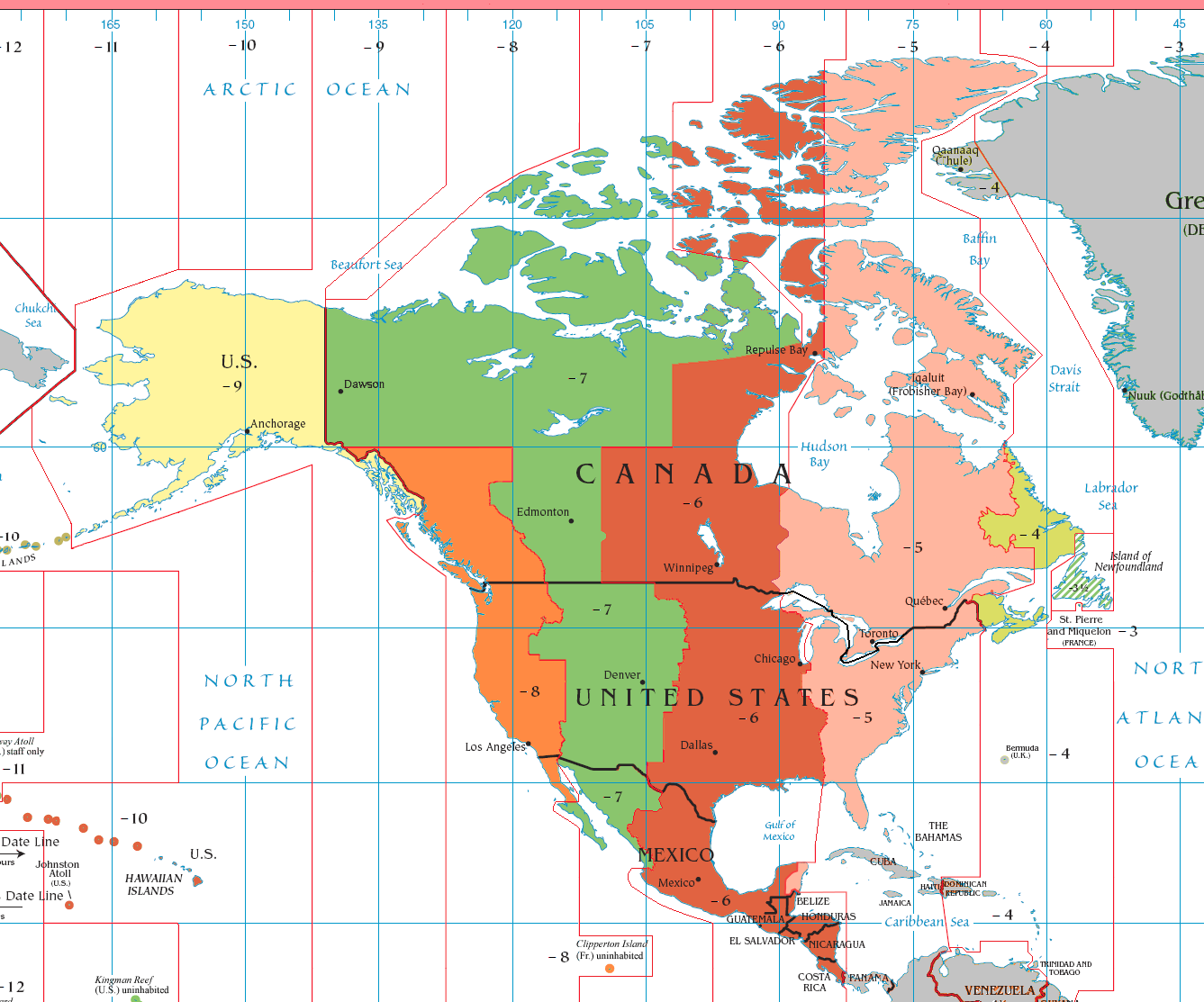
New York sits within the Eastern Time Zone. During the standard winter months, the region observes Eastern Standard Time (EST). When measuring this against the universal reference point of Greenwich Mean Time, New York City is positioned at UTC/GMT -5.

This means that when it is noon at the Royal Observatory in London, it is 7:00 AM in the United States. This five-hour difference is a constant factor for anyone traveling from Europe to the East Coast of the Americas. Whether you are arriving at John F. Kennedy International Airport for a luxury vacation or a quick business trip, your biological clock will likely be the first thing to experience this shift in longitude.
Understanding Time Offsets
The GMT offset is not merely a technicality; it is a vital tool for navigation and communication. For international travelers coming from Asia or Australia, the gap is significantly larger, often spanning twelve hours or more. By anchoring your understanding in the GMT-5 baseline, you can calculate the necessary adjustments for your body and your schedule long before you step off the plane in New York State.
Navigating Daylight Saving Time
One of the most common pitfalls for international visitors to North America is the implementation of Daylight Saving Time (DST). Unlike some countries that maintain a static time year-round, New York shifts its clocks twice annually to maximize daylight hours during the warmer months.
The Shift to Eastern Daylight Time (EDT)
From the second Sunday in March until the first Sunday in November, the city observes Eastern Daylight Time (EDT). During this period, the clock is pushed forward by one hour. Consequently, the relationship with Greenwich Mean Time changes to GMT-4.
This subtle transition has major implications for those coordinating with teams in Great Britain or Western Europe. Because many European nations also observe a form of daylight savings, the gap may fluctuate depending on the specific dates of the seasonal changes. If you are planning a visit to Manhattan or Brooklyn during the autumn months, double-check your local conversion apps to ensure your dinner reservations or Empire State Building tours are aligned with the correct local time.

Why The Shift Matters
- Public Transport: Schedules for the Metropolitan Transportation Authority remain consistent, but your arrival time relative to your home country changes.
- Business Hours: Wall Street trading hours remain fixed to local time, meaning your windows for communication will shift by sixty minutes.
- Flight Connections: Most major airlines, such as Delta Air Lines or British Airways, provide arrival and departure times in local time. Relying on these local times rather than your home time zone is the best way to avoid travel anxiety.
Planning Your Itinerary Across Time Zones
When visiting New York City, the time zone difference is often the primary culprit behind initial jet lag. Moving across several meridians requires a strategic approach to ensure you get the most out of your stay, whether you are visiting the Statue of Liberty or catching a show near Times Square.
Tips for Combating Jet Lag
- Gradual Adjustment: Three days before your trip from London or Paris, begin shifting your sleep schedule by one hour each night toward the New York time.
- Sunlight Exposure: Once you arrive in the United States, spend as much time as possible in natural sunlight during the afternoon. This helps your internal clock reset to the local time zone.
- Hydration and Movement: Long-haul flights can lead to dehydration, which exacerbates the effects of time zone changes. Keep your fluids up and walk the aisles of the cabin frequently.
The Advantage of Local Time Awareness
Being acutely aware of the GMT offset allows you to make better choices regarding your visit. For example, if you know you will be arriving from Tokyo and dealing with a massive time jump, consider booking a Luxury Hotel with high-end amenities that allow for a comfortable rest period immediately upon arrival. Staying near hubs like Central Park allows for easy outdoor access, which is highly effective for helping your body adjust to the local light cycle.
Cultural and Business Coordination in the Big Apple
New York serves as a bridge between the Americas and the rest of the world. Because it operates on an Eastern time offset, it remains the primary point of contact for many global businesses. Understanding the GMT relationship is essentially the “business language” of the city.
Professional Synchronicity
If you are traveling to New York for a conference or a series of meetings, remember that your colleagues in Dubai or Hong Kong are likely calculating their day around the New York City schedule. The morning hours in Manhattan are the only time the city is fully awake while the rest of the globe is in varying states of transition. Using an app that shows multiple clocks—yours, New York, and your home—can prevent the common error of calling a partner during their middle-of-the-night period.
Enjoying the City’s Rhythm
New York is famously the “City That Never Sleeps,” and its temporal flexibility is a big part of that reputation. Whether you are grabbing a late-night bite in Greenwich Village or heading out for an early morning jog in Central Park, knowing the time offset helps you navigate the city’s unique beat. It ensures you arrive at the Metropolitan Museum of Art right as the doors open, rather than when the rest of the crowds are already deep inside.
Ultimately, your grasp of the Greenwich Mean Time offset for New York is more than just a logistical requirement; it is a key to unlocking a more efficient, relaxing, and enjoyable trip. By respecting the local time, you place yourself in harmony with the fast-paced energy of the city, allowing you to focus on what truly matters: experiencing the vibrant culture, history, and life that can only be found in the United States most iconic urban landscape. Whether you are here for a weekend or a long-term residency, keeping your internal clock synchronized with the local time is the hallmark of a seasoned, confident traveler.
LifeOutOfTheBox is a participant in the Amazon Services LLC Associates Program, an affiliate advertising program designed to provide a means for sites to earn advertising fees by advertising and linking to Amazon.com. Amazon, the Amazon logo, AmazonSupply, and the AmazonSupply logo are trademarks of Amazon.com, Inc. or its affiliates. As an Amazon Associate we earn affiliate commissions from qualifying purchases.