
Deciding to move to New York is an ambitious career move that often comes with a significant amount of sticker shock. As one of the most expensive cities in the world, the financial requirements for maintaining a comfortable lifestyle here are vastly different from those in the rest of the United States. Defining a “good” salary in a metropolis defined by Manhattan, Brooklyn, and Queens requires an understanding of the intersection between professional ambition and the high cost of urban living.
The Cost of Living Reality in the Five Boroughs
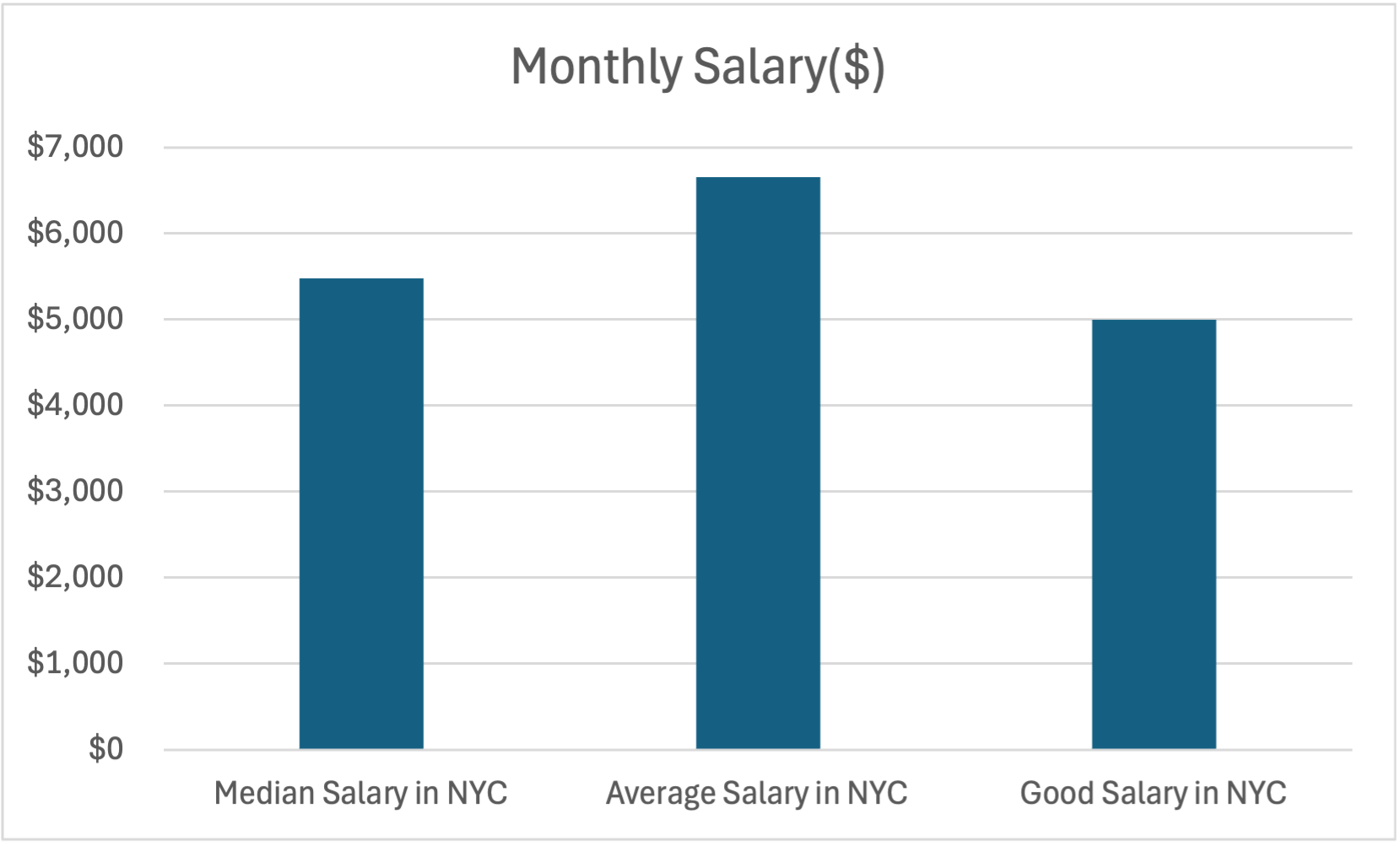
When determining your target salary, the first factor to consider is the exorbitant cost of housing. Rent typically consumes the largest portion of a New Yorker’s income. Financial experts often suggest the “40x rule,” where your annual salary should be at least 40 times your monthly rent. If you are eyeing a studio apartment in a trendy neighborhood like Williamsburg or Tribeca, your salary expectations must shift accordingly.
Rent and the 40x Rule
For a modest apartment renting at $3,500 per month, the standard rental application process in New York City would require an annual income of at least $140,000. If your salary falls below this, you will likely need a guarantor or be forced to look toward outer boroughs like The Bronx or Staten Island, where transit times increase but rent burdens may decrease.
Daily Expenses and Discretionary Income
Beyond rent, living in New York involves hidden costs that can erode a salary quickly. Between Metropolitan Transportation Authority monthly passes, state and city income taxes, and the premium prices of groceries at local markets, a salary that feels substantial in other states may feel quite average here. A “good” salary must account for the ability to enjoy the culture, dining, and nightlife that make the city iconic without living paycheck to paycheck.
Tiered Income Expectations: What Defines “Good”?
The definition of a good salary is highly subjective and depends on your career stage and household size. Whether you are a solo professional just starting out or moving with a family, your target number will shift significantly.
Early-Career and Entry-Level Professionals
For recent graduates entering competitive industries in Midtown Manhattan, a salary between $75,000 and $90,000 is often considered a baseline for survival. While this allows for a shared apartment with roommates and occasional nights out near Union Square, it leaves little room for aggressive savings or high-end luxury. To truly thrive, many professionals aim for six figures within their first three years.

The Middle-Class Comfort Zone
A salary ranging from $120,000 to $160,000 is generally viewed as the threshold for middle-class comfort in the city. At this income level, one can afford a private studio or a one-bedroom apartment in neighborhoods like Astoria or Park Slope. This bracket allows for a more balanced lifestyle—including regular gym memberships, healthy dining, and the occasional weekend getaway to the Hamptons or the Catskill Mountains.
The High-Earner Bracket
For those earning upwards of $200,000, New York becomes a playground of convenience. This level of income mitigates the stress of city life, allowing for luxury amenities, premium apartment buildings with doormen, and seamless access to high-end services. At this tier, the city offers unparalleled access to global events, exclusive membership clubs, and a standard of living that few other cities can match.
Strategies for Maintaining Financial Health
No matter your income, the sheer scale of the New York City economy necessitates strategic financial management. To maximize a “good” salary, you must prioritize where your money goes.
Geographic Arbitrage
If your salary is on the lower end of the spectrum, choosing your location is your most powerful tool. Living closer to transit hubs in Long Island City can significantly reduce commute times and transportation costs. Many residents choose to trade proximity to the Financial District for more space and value in neighborhoods further out, effectively stretching their salary further.
Managing Taxes and Savings
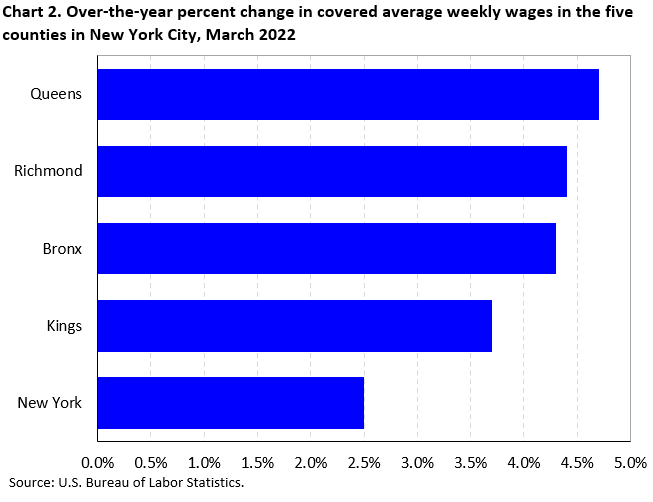
New Yorkers are subject to federal, state, and city income taxes, which can reduce your take-home pay by a significant percentage. It is essential to factor these into your monthly budget. Furthermore, New York presents a wealth of professional networking opportunities. Often, the investment made in career growth here leads to salary jumps that outpace the cost of living increases. Leveraging the density of industries—from finance and tech to fashion and media—is a key component of the city’s earning potential.
Is the High Cost Worth the Investment?
The question of what constitutes a “good” salary ultimately leads back to why you are here. If your goal is to experience the vibrant energy of Times Square, the intellectual stimulation of the New York Public Library, or the serene beauty of Central Park, the financial investment carries a different weight.
For many, a “good” salary is simply one that allows them to participate in the heartbeat of the city without compromise. If you earn enough to enjoy a Friday night dinner in Greenwich Village followed by a show on Broadway, you are already ahead of the curve. While the numbers on your paycheck are vital, the lifestyle return on investment in a place like New York is often measured by the access, opportunities, and experiences that are simply unavailable anywhere else in the world.
Ultimately, if your salary covers your rent, your necessities, and allows you to build a buffer for the future while enjoying the city’s endless offerings, you have achieved a “good” salary by local standards. It is not just about the gross number, but about the quality of the life you curate within the diverse tapestry of these five boroughs.
LifeOutOfTheBox is a participant in the Amazon Services LLC Associates Program, an affiliate advertising program designed to provide a means for sites to earn advertising fees by advertising and linking to Amazon.com. Amazon, the Amazon logo, AmazonSupply, and the AmazonSupply logo are trademarks of Amazon.com, Inc. or its affiliates. As an Amazon Associate we earn affiliate commissions from qualifying purchases.