
Understanding the economic landscape of New York is essential for anyone planning an extended stay, a career relocation, or a deep dive into the local culture. While tourists often focus on the glittering lights of Times Square or the architectural splendor of the Empire State Building, the pulse of the city is defined by its workforce. As the cost of living fluctuates in major urban centers across the United States, the minimum wage serves as a critical indicator of the local standard of living and the purchasing power of those who keep the city’s hospitality and service industries running.
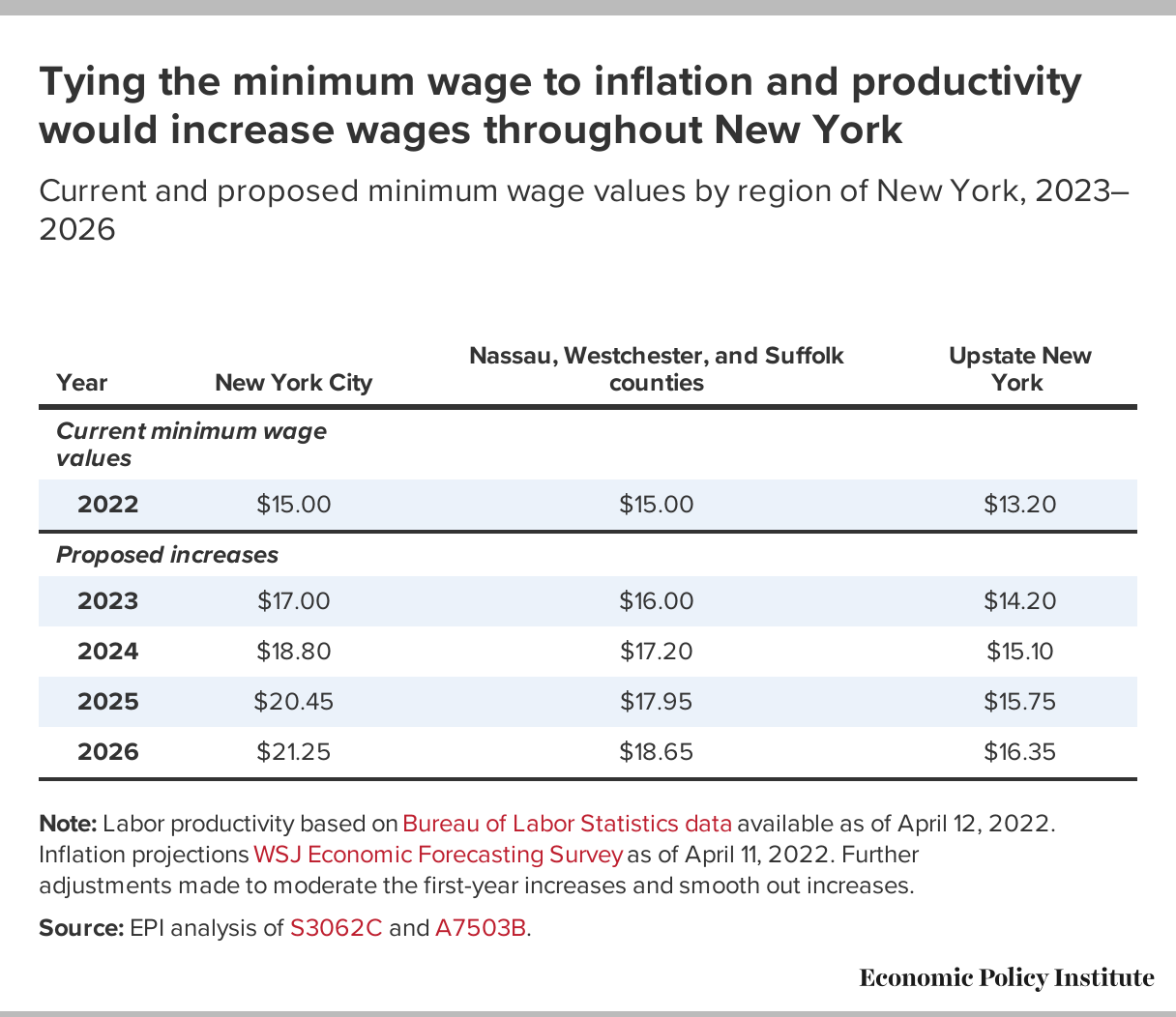
The Evolution of the Wage Floor in New York State
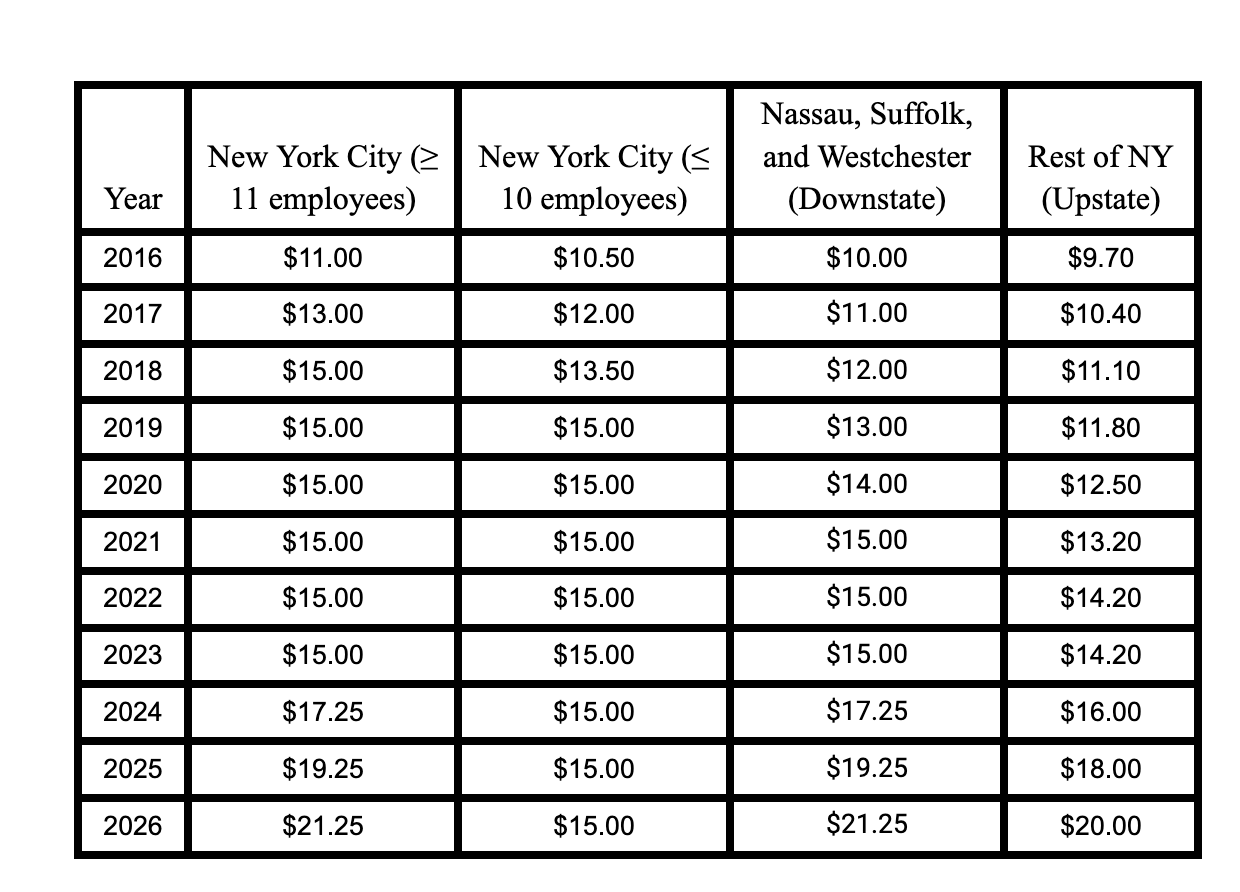
The minimum wage in New York State has undergone significant legislative changes aimed at keeping pace with the rising costs of housing, transportation, and daily essentials. Unlike many other regions, New York has implemented a tiered approach that recognizes the vast differences in economic conditions between New York City and more rural areas like the Adirondack Mountains or the Finger Lakes region.
The Impact of Regional Cost Differences
The disparity between the metropolitan density of a place like Brooklyn and the quieter lifestyle in Upstate New York is profound. For travelers and potential residents, understanding this wage structure helps in contextualizing why prices for services—from a cup of coffee in Greenwich Village to a guided tour in the Catskill Mountains—vary so drastically. The government periodically adjusts these rates based on inflation indices, ensuring that workers can afford to reside within reasonable proximity to their places of employment.
Legislative Milestones and Future Projections
The path toward a higher minimum wage has been met with both praise and scrutiny. Proponents argue that it is a necessary step to combat income inequality, while critics often point to the potential burden on small business owners operating in competitive markets like Manhattan. As the state continues to push toward a $16.00 and eventually a $17.00 hourly rate in various jurisdictions, the ripple effect on the tourism and hospitality sectors remains a focal point for economists studying the Northeast region.
Navigating the Hospitality and Service Economy
For those visiting or living in the state, the minimum wage is closely tied to the service culture. Whether you are checking into a boutique hotel near Central Park or dining at a world-class restaurant in SoHo, the quality of service is a hallmark of the New York experience.
The Tipped Wage Distinction
A unique aspect of the New York State Department of Labor regulations is the treatment of “tipped” employees. In sectors such as dining and hospitality, employers may take a tip credit, provided that the employee’s hourly earnings—base wage plus tips—meet or exceed specific thresholds. This system is crucial for travelers to understand, as it influences the standard social expectation of tipping, which typically ranges from 18% to 22% in urban hubs like Long Island or Buffalo.
Labor Dynamics in the Tourism Sector
Tourism is a massive engine for the state economy. From the Statue of Liberty to the Niagara Falls, the individuals facilitating these experiences are often subject to these wage laws. A higher minimum wage contributes to lower turnover rates in hospitality roles, which in turn leads to more experienced and knowledgeable staff catering to visitors. When travelers visit attractions like the Metropolitan Museum of Art or attend a show on Broadway, they are interacting with a professional workforce that is directly impacted by these state-level economic shifts.
Economic Implications for Long-Term Visitors
If you are planning to spend a month or longer living in New York, understanding the local economy is part of the cultural immersion. The cost of living is directly reflected in the wages paid to the local service staff you encounter daily.
Budgeting for an Extended Stay
Visitors looking to stay in neighborhoods such as Williamsburg or Astoria will quickly notice that the higher wage floor contributes to a more expensive environment. However, it also supports a thriving local economy filled with independent businesses, artisanal shops, and unique culinary experiences that you might not find in states with a lower cost of labor. By supporting these businesses, travelers are contributing to a cycle that keeps the city vibrant and functioning.
Understanding the Service Charge vs. Tip
Many establishments have begun adding automatic service charges to bills, particularly in high-traffic areas of Midtown Manhattan. This shift is often a byproduct of rising labor costs. When you see these charges, it is helpful to realize they are designed to ensure that the staff receives a fair, consistent wage that aligns with the state’s mandates. It serves as an alternative to the traditional tipping model, providing more stability for the workers who maintain the high standards associated with the Empire State.
Staying Informed as a Traveler
The economic health of a destination is a pillar of responsible tourism. Being aware of the minimum wage and the general labor conditions of your destination makes you a more informed and empathetic visitor.
Why Labor Laws Matter to Tourists
When you visit landmarks like the High Line or explore the Hudson Valley, the infrastructure supporting these visits relies on a vast network of workers. Recognizing that these individuals are often living in one of the most expensive regions of North America adds a layer of appreciation for the service you receive. It changes the perspective from one of just being a consumer to being a participant in a larger, complex, and bustling economy.
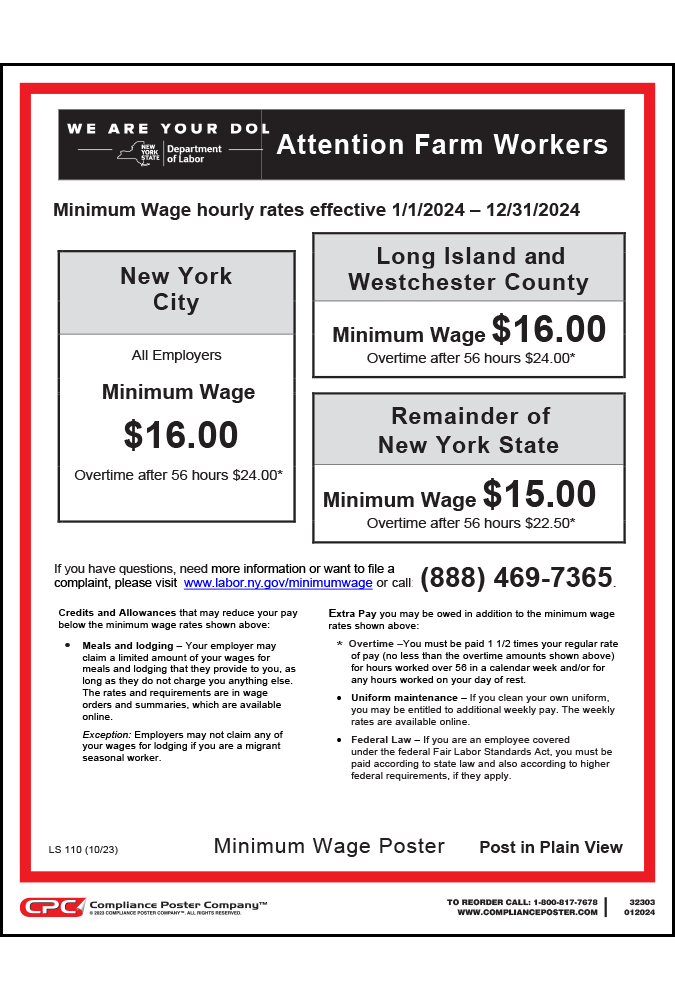
Resources for Further Exploration
For those interested in the granular details of state labor laws, the New York State Department of Labor maintains detailed portals regarding wage orders and industry-specific regulations. These resources clarify that the minimum wage is not just a number on a page, but a social contract that dictates how millions of people work and live across the diverse geography of New York. Whether your journey takes you from the bustling streets of Queens to the quiet trails of the Adirondacks, understanding the fiscal reality of the state provides a fuller, more honest picture of what it means to experience the heartbeat of this iconic American landscape.
LifeOutOfTheBox is a participant in the Amazon Services LLC Associates Program, an affiliate advertising program designed to provide a means for sites to earn advertising fees by advertising and linking to Amazon.com. Amazon, the Amazon logo, AmazonSupply, and the AmazonSupply logo are trademarks of Amazon.com, Inc. or its affiliates. As an Amazon Associate we earn affiliate commissions from qualifying purchases.