
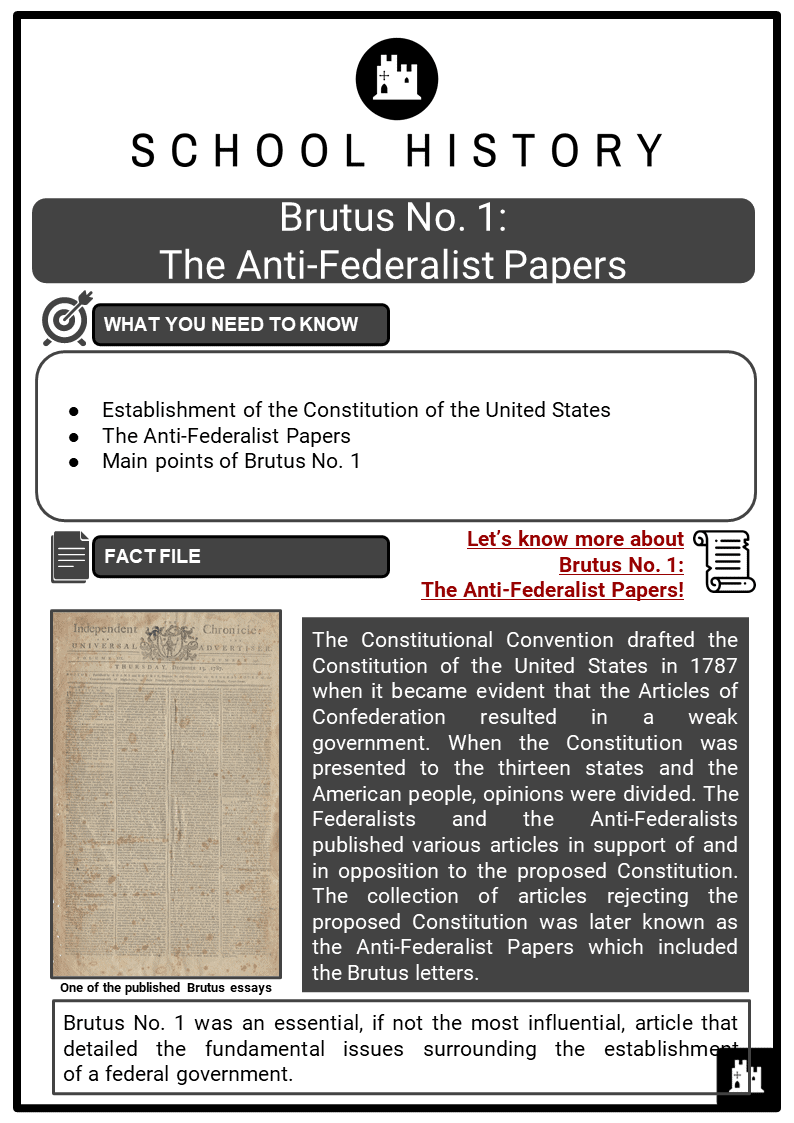
The historical discourse surrounding the formation of the United States is often centered on the passionate debates between the Federalists and the Anti-Federalists. Among the most significant contributions to this political dialogue was a series of essays penned under the pseudonym “Brutus.” The first of these, known as Brutus 1, serves as a cautionary tale against the consolidation of power. While the document is primarily a philosophical and legal critique, it provides a unique window into the regional identity of New York, a state that occupied a pivotal position in the early American landscape.

The Significance of New York in the Constitutional Era
To understand why New York is central to the arguments presented in Brutus 1, one must first appreciate the state’s stature in the late 18th century. Unlike the smaller, more homogenous colonies, New York was a complex tapestry of commercial interests, diverse cultural populations, and geographic strategic importance.
A Commercial Hub and Port of Entry
Even in the late 1700s, New York was recognized for its potential as a global trade nexus. The deep-water harbor and the connectivity provided by the Hudson River made it a focal point for merchant classes who were wary of centralized taxation. The Anti-Federalists writing in New York understood that the proposed federal government would have the power to regulate commerce and levy taxes, which threatened the local autonomy that made the New York port so prosperous.
The Melting Pot of Early Ideas
New York was not a monolith. It housed significant populations of Dutch, British, and German settlers, alongside a developing political class that was deeply skeptical of distant authority. This intellectual environment fostered a rigorous debate on whether a single federal government could adequately represent such a diverse array of interests. The author of Brutus 1 utilized the state’s complexity to argue that a “large republic” would inevitably lead to political apathy and a disconnect between the rulers and the ruled.
Geographic Identity and the Threat of Consolidation
Brutus 1 famously posits that a free republic cannot exist over a territory as vast as the United States. In the eyes of the author, New York was a prime example of a state that had managed its own affairs successfully due to a shared sense of community and regional proximity.
Local Governance versus Federal Overreach
The logic presented in the essay suggests that the people of New York could effectively monitor their representatives because the distances were manageable and the interests were local. If a citizen had a grievance, the path to the New York State Capitol was far shorter—both physically and metaphorically—than the path to a central federal government located elsewhere. By referencing the specific conditions of states like New York, the text highlights the fear that the unique cultural and economic identity of the state would be subsumed by federal mandates.
The “Large Republic” Dilemma
Brutus 1 argues that in a large, diverse territory, it is impossible for the government to be intimately acquainted with the wants and needs of the people. While modern travelers might view the distance between New York and the federal seat of power as a brief flight, in the late 18th century, it represented a profound barrier to democracy. The author worried that the residents of New York would find themselves governed by individuals who had no stake in the state’s specific regional prosperity.
Historical Landmark: The Legacy of Political Thought
While Brutus 1 is often relegated to dusty political science textbooks, its influence on the development of American political thought remains profound. It transformed New York from a mere geographic location into a bastion of intellectual resistance.
Protecting Regional Autonomy
The arguments made in the essay essentially laid the groundwork for the Tenth Amendment of the United States Constitution. By championing the rights of the states to govern themselves, the Anti-Federalists ensured that New York and other states would retain significant power. The legacy of this debate is still visible in the way New York handles its unique legislative challenges today.
The Enduring Spirit of Inquiry
For those interested in the historical landscape, visiting New York City offers a chance to reflect on where these foundational arguments were disseminated. Walking through the Financial District, one can almost hear the echoes of the coffee house debates where pamphlets like Brutus 1 were read aloud. The city has always been a place of intense ideological friction, a characteristic that was clearly defined by the contributors to the Anti-Federalist papers.
Why the Discussion Matters Today
The questions raised by Brutus 1 regarding New York are not merely historical relics; they continue to shape the modern dialogue regarding centralized versus local power.
Understanding the Modern Landscape
Today, New York stands as a global center for finance, art, and tourism. Yet, the tension described in the early republic—the pull between local needs and broader national or global agendas—persists. Whether it is regarding infrastructure, taxation, or policy, the sentiment that local representatives are best equipped to handle local issues is a direct descendant of the philosophy found in Brutus 1.
Tourism and Historical Engagement
For those traveling to New York State, engaging with the history of these debates adds a layer of depth to the visit. Beyond the bright lights of Times Square or the architectural splendor of the Empire State Building, there is a rich history of democratic theory that defined the very foundations of the United States. Visitors can explore the New York Historical Society to better understand the political climate of the 1780s and how it paved the way for the nation we know today.
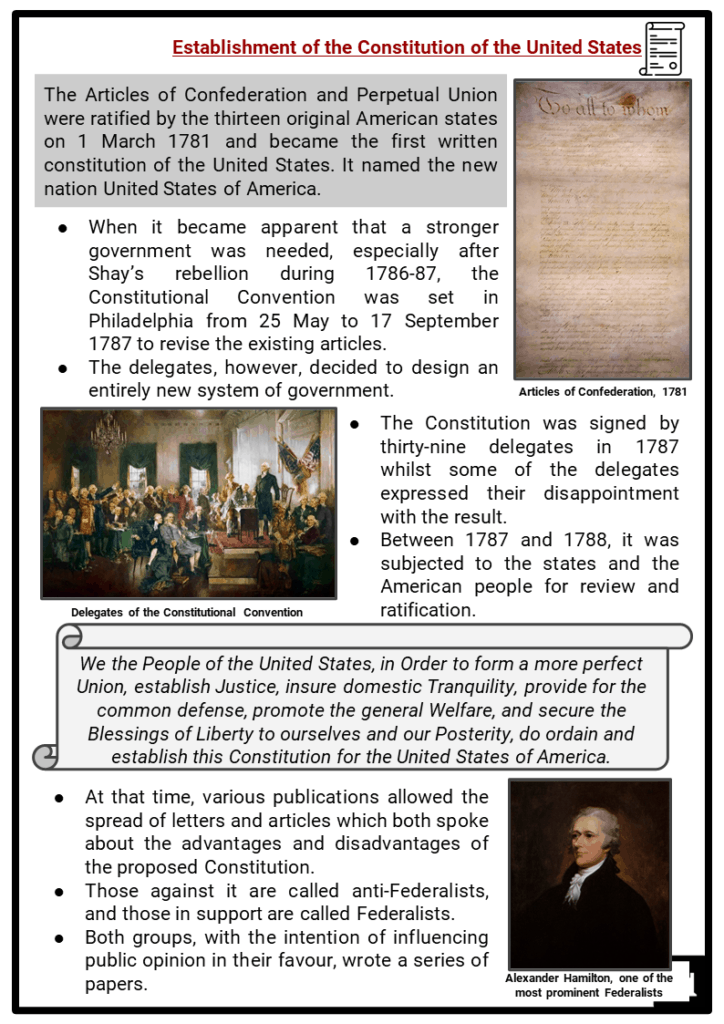
Ultimately, Brutus 1 utilized New York not just as a location, but as a proof-of-concept for the dangers of a monolithic central authority. The essay remains a testament to the fact that the geography of a region—its ports, its people, and its proximity to power—is inextricably linked to its political destiny. By framing New York as a distinct entity with its own valid concerns, the author of Brutus 1 ensured that the debate over liberty and centralization would remain a cornerstone of the American narrative for centuries to follow.
LifeOutOfTheBox is a participant in the Amazon Services LLC Associates Program, an affiliate advertising program designed to provide a means for sites to earn advertising fees by advertising and linking to Amazon.com. Amazon, the Amazon logo, AmazonSupply, and the AmazonSupply logo are trademarks of Amazon.com, Inc. or its affiliates. As an Amazon Associate we earn affiliate commissions from qualifying purchases.