
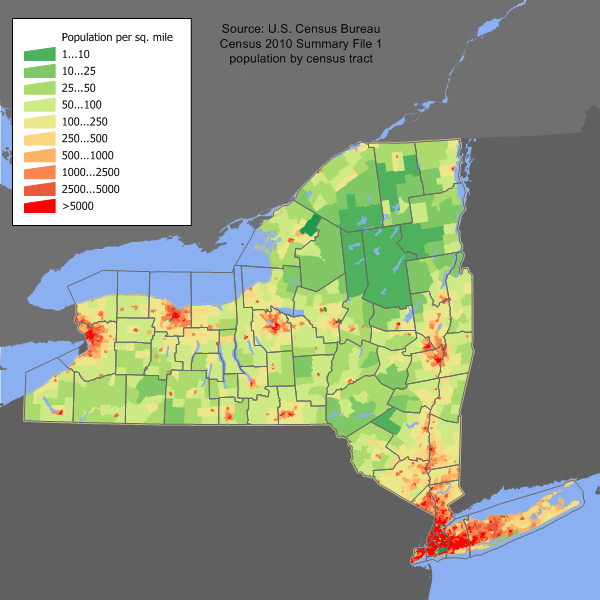
The population of New York State is a dynamic metric that paints a vivid picture of one of the most culturally significant and historically deep regions in the United States. As of the most recent estimates, the state is home to approximately 19.6 million residents. While this number fluctuates due to migration patterns and demographic shifts, it remains a cornerstone of the American landscape, serving as a primary gateway for international arrivals and a hub for domestic movement. Understanding the distribution of this population—from the dense, high-energy corridors of New York City to the quiet, rolling landscapes of the Upstate region—is essential for any traveler looking to understand the true texture of local culture and tourism.

The Concentrated Powerhouse: Downstate Demographics
The vast majority of the population in New York is concentrated in the southern tip of the state, an area often referred to as the downstate region. This includes not only the five boroughs of the city—Manhattan, Brooklyn, Queens, the Bronx, and Staten Island—but also the densely populated suburbs of Long Island, Westchester County, and the Hudson Valley.
The Urban Pulse of New York City
With over 8 million people living within the city limits, New York City acts as a primary magnet for both residents and tourists. The demographic density here is unparalleled in the country, leading to a vibrant, multi-ethnic environment that defines the tourism experience. Travelers visiting Times Square or Central Park are witnessing a slice of a population that represents almost every nation on Earth. This concentration of people drives the local culture, influencing everything from the culinary diversity found in Queens to the artistic movements emanating from Brooklyn.
Suburban Expansion and Connectivity
Beyond the city, the population spreads into areas like Nassau County and Suffolk County on Long Island. These regions are vital to the state’s economy, housing a significant portion of the workforce that commutes daily into the city. For tourists, these suburbs provide easy access to the Hamptons or the beaches of Fire Island, offering a respite from the urban intensity while maintaining a strong connection to the state’s central population core.
The Cultural Fabric of Upstate New York
While the downstate region commands the highest density, the Upstate region holds the historical and natural soul of the state. The population distribution here is vastly different, characterized by mid-sized cities, college towns, and sprawling rural beauty. This shift in population density creates a unique tourism dynamic where visitors can experience a slower pace of life, deeply rooted in the agricultural and industrial history of New York State.
Mid-Sized Urban Centers
Cities such as Buffalo, Rochester, and Albany serve as the anchors for the upstate population. Buffalo, located near the breathtaking Niagara Falls, has seen a cultural resurgence that draws tourists to its historic architecture and thriving culinary scene. Similarly, Albany, as the state capital, provides a window into the political history of the region. These cities are vital for tourists interested in American history, as they showcase the evolution of the state from an industrial powerhouse to a modern hub of education and technology.

Rural Character and Natural Landmarks
Large swaths of the state, particularly the Adirondack Mountains and the Catskill Mountains, feature much lower population densities. This is the playground for the outdoor enthusiast. The sparse population in these regions is precisely what makes them attractive to travelers seeking peace, hiking, skiing, and exploration. Places like Lake Placid or Saratoga Springs offer a different type of New York experience, where the culture is defined by outdoor recreation and seasonal traditions rather than urban buzz.
Impact of Population on Tourism Infrastructure
The total population of 19.6 million exerts a massive influence on the state’s tourism infrastructure. Because such a large number of people reside here, the state has developed an incredibly robust transportation network. From the Metro-North Railroad connecting the suburbs to the Long Island Rail Road and the extensive Amtrak lines serving the Upstate corridor, movement is a way of life here.
Public Transit as a Tourist Experience
For the average traveler, the population density of New York City is a double-edged sword. It necessitates the use of the New York City Subway, which is an iconic tourist experience in itself. Navigating the transit system allows visitors to interact with the local population, witnessing the daily rhythm of life in the city. The high demand from local residents ensures that this infrastructure remains one of the most comprehensive in the United States.
Culinary and Cultural Demand
The diversity of the population is the primary reason why New York remains a premier culinary destination. With people hailing from every corner of the globe, the food culture is constantly evolving. In neighborhoods like Chinatown or Little Italy, the food is authentic because it serves the local immigrant communities, not just the tourists. This authenticity is a major draw for visitors who want to experience global cultures within a single state.
Future Trends and Sustainable Travel
As the population continues to adjust—with some moving further from urban centers and others drawn to the opportunities in the city—tourism strategies are also shifting. Sustainability has become a key theme, particularly in high-density areas. Local initiatives aimed at preserving the natural beauty of the Finger Lakes or managing foot traffic in Central Park are becoming essential.
Embracing Off-Peak Tourism
Because the population is so large, traveling during off-peak times is a highly recommended strategy. By visiting during the shoulder seasons—spring and autumn—travelers can experience the state’s cultural landmarks and natural wonders without the congestion caused by both local residents and peak-season tourism. Whether visiting the Brooklyn Museum or taking a scenic drive through the Hudson Valley, timing your trip allows for a more personal connection with the local environment.
The Role of Local Communities in Travel
Finally, it is the people who define New York State. The population is known for its fast-paced lifestyle, its grit, and its immense creativity. When travelers engage with local communities—whether by attending a festival in Syracuse or shopping at a farmers market in Ithaca—they gain a much deeper appreciation for the region. The state is more than just a destination or a statistic of nearly 20 million people; it is a tapestry of lives, histories, and stories that wait to be discovered by anyone willing to explore beyond the primary landmarks. The population continues to shape the identity of this region, ensuring that New York remains a top-tier destination for years to come.
LifeOutOfTheBox is a participant in the Amazon Services LLC Associates Program, an affiliate advertising program designed to provide a means for sites to earn advertising fees by advertising and linking to Amazon.com. Amazon, the Amazon logo, AmazonSupply, and the AmazonSupply logo are trademarks of Amazon.com, Inc. or its affiliates. As an Amazon Associate we earn affiliate commissions from qualifying purchases.