
Navigating the financial landscape of the most vibrant metropolis in the United States requires more than just a savvy investment strategy; it demands a comprehensive understanding of the fiscal obligations inherent to living and working in New York. For high-net-worth individuals, business travelers, and those considering long-term stays in the city that never sleeps, distinguishing between federal, state, and city tax liabilities is critical to maintaining a luxury lifestyle without running afoul of tax authorities.
Understanding the Layers of New York Taxation
The complexity of the New York tax system stems from its three-tiered structure. Unlike many other global hubs, New York City imposes a municipal income tax on its residents, which operates in addition to the state-level levy. For the affluent traveler or the business executive choosing to establish residency in a premium neighborhood like Tribeca or Upper East Side, understanding these layers is essential for effective financial planning.
Federal vs. State Obligations
New York State taxable income is generally derived from your federal adjusted gross income. However, New York mandates specific modifications—additions and subtractions—that can significantly alter your final liability. For example, interest from certain municipal bonds may be exempt at the federal level but potentially taxable at the state level, depending on the issuing authority.
The Resident vs. Non-Resident Distinction
One of the most litigious areas of New York taxation is the “statutory resident” test. If you maintain a “permanent place of abode” in Manhattan and spend more than 183 days of the year in the state, the New York Department of Taxation and Finance will consider you a full-year resident. For those enjoying long-term stays at prestigious properties like the The Plaza or The St. Regis New York, tracking days of physical presence is not merely a logistical exercise—it is a fiscal necessity to avoid unintended residency status.
Calculating Taxable Income in the Five Boroughs
For those earning income within New York State, the calculation of taxable income is a multi-step process that often catches international investors and domestic business travelers by surprise.
Source-Based Income and Apportionment
If you perform services while visiting Times Square or conducting meetings in Financial District, the income earned during those days is generally considered “New York source income.” This applies even to non-residents. The state uses an apportionment formula based on days worked in the state versus days worked everywhere. If you are an executive managing a global portfolio, your time spent enjoying the Central Park views from a Park Avenue suite may carry a hidden cost if business is being conducted simultaneously.
The Municipal Tax Burden
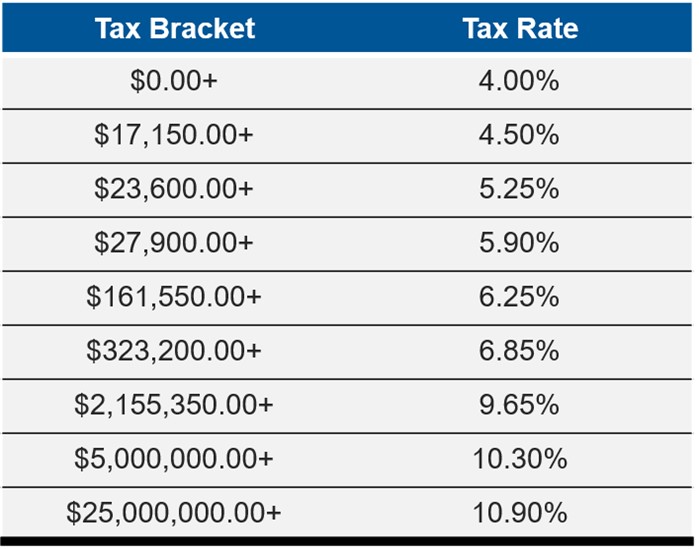
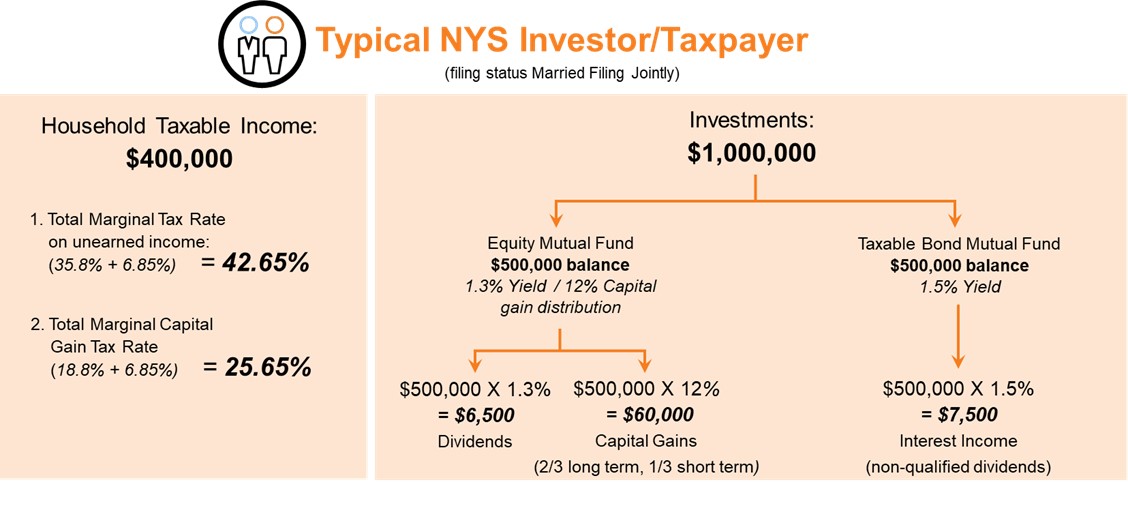
New York City residents face a unique challenge: the NYC Resident Income Tax. This is a separate levy on top of the state income tax. The rates are progressive, and for high earners, the combined state and city tax burden can be substantial. For individuals looking to relocate to or invest in the Empire State, conducting a thorough tax-residency audit before finalizing any property acquisition or lease agreement is the hallmark of a sophisticated financial approach.

Deductions and Credits for the Discerning Resident
While the tax burden is high, New York offers specific provisions that, when utilized correctly, can mitigate the overall tax hit. Navigating these requires a high level of sophistication, often involving specialized accounting services.
Itemized Deductions and State Limitations
New York largely conforms to the federal Tax Cuts and Jobs Act regarding itemized deductions, but there are nuances. For instance, New York allows for certain tax-exempt income subtractions that are not available under federal guidelines. When living in luxury, expenses associated with maintaining multiple homes across the United States often necessitate careful tracking of mortgage interest, property taxes, and charitable contributions to ensure maximum compliance and efficiency.
Business Expenses and Professional Services
For the business traveler, documenting “business-related” versus “personal” expenses is vital. If you are staying at The Carlyle for an extended period, the distinction between a deductible travel expense and a non-deductible personal living expense is narrow. The IRS and the state authorities look closely at travel that includes personal vacations, such as trips to the Metropolitan Museum of Art or Broadway shows, when mixed with professional commitments.
Strategic Planning for High-Net-Worth Individuals
For the individual whose wealth is tied to global markets, New York serves as both a gateway and a fiscal complication. Strategic planning is not about avoiding taxes, but about understanding the rules of engagement.
The Importance of Domicile
Your “domicile”—your true, fixed, and permanent home—is a legal concept that goes beyond where you spend your time. If you claim to be a resident of a state with no income tax, such as Florida or Texas, but continue to maintain your primary residence at an address in Brooklyn or Queens, you risk an audit. The state scrutinizes your “closer connection” to New York, looking at factors such as where your family resides, where your social and religious ties are, and where your primary assets are held.
Seeking Expert Counsel
Given the aggressive nature of the New York State audit process, maintaining records is paramount. Whether you are splitting your time between London, Paris, and New York, or moving permanently to the United States, the guidance of a tax attorney or specialized CPA is indispensable.
Conclusion: Living the New York Life Responsibly
New York remains the global epicenter of commerce, culture, and luxury. For the affluent visitor or resident, the city offers unparalleled experiences, from the sophisticated nightlife of SoHo to the high-stakes business environments of Wall Street. However, the allure of the city comes with the reality of its tax system.
By staying informed about what constitutes taxable income, accurately tracking your days of residency, and understanding the nuances of local municipal taxes, you can ensure that your time in New York remains focused on your goals rather than your tax returns. Whether you are enjoying a weekend at the Four Seasons Hotel New York or settling into a long-term residence in Hudson Yards, comprehensive financial awareness is the ultimate accessory for the modern, global citizen. Remember that the complexities of New York tax law are not designed to hinder your success, but they do require a proactive approach to ensure that your financial affairs are as well-structured as the skyline itself.
LifeOutOfTheBox is a participant in the Amazon Services LLC Associates Program, an affiliate advertising program designed to provide a means for sites to earn advertising fees by advertising and linking to Amazon.com. Amazon, the Amazon logo, AmazonSupply, and the AmazonSupply logo are trademarks of Amazon.com, Inc. or its affiliates. As an Amazon Associate we earn affiliate commissions from qualifying purchases.