
When exploring the vast, verdant landscapes of the United States, few regions offer the botanical diversity found within New York. While many visitors flock to the concrete canyons of New York City to marvel at man-made wonders like the Empire State Building or the architectural splendor of Grand Central Terminal, those who venture further afield into the Adirondack Mountains or the rolling hills of the Hudson Valley will discover a state defined just as much by its flora as its finance. At the heart of this natural heritage stands the official state tree of New York: the Sugar Maple (Acer saccharum).
The Significance of the Sugar Maple
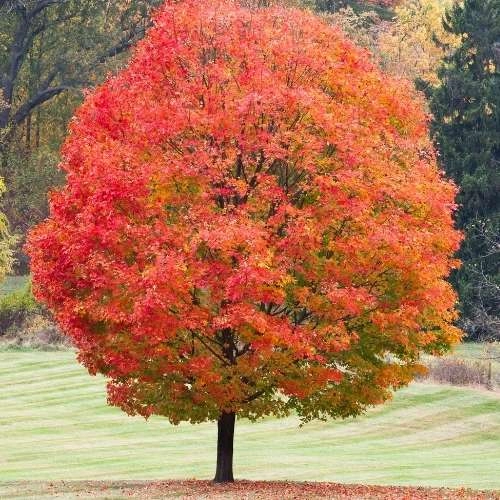
The designation of the Sugar Maple as New York’s state tree is more than a mere formality; it is a reflection of the deep-rooted historical and economic connection between the people of the Empire State and their forests. Officially adopted as the state tree in 1956 following a vote by the schoolchildren of New York, the Sugar Maple was chosen for its ecological resilience, its aesthetic beauty, and its immense utility.
A Biological Powerhouse
Botanically, the Sugar Maple is a titan of the hardwood forest. Capable of reaching heights of over 100 feet and living for several centuries, these trees are a cornerstone of the eastern deciduous forest ecosystem. Their broad, five-lobed leaves are iconic, serving as a primary contributor to the world-famous fall foliage that draws millions of tourists to the Catskill Mountains and Lake Placid every October. During this season, the chlorophyll recedes, revealing the brilliant oranges, yellows, and deep reds that define the New York autumn experience.
Economic and Cultural Value
Beyond its beauty, the tree is a biological factory. It is the primary source of maple syrup, an industry that has been a staple of New York’s rural economy for generations. During the late winter, as temperatures fluctuate between freezing nights and thawing days, “sugaring” becomes a central cultural activity in towns throughout the Finger Lakes region. This tradition underscores the symbiotic relationship between the land and the local communities, highlighting why the tree serves as a perfect symbol for the state.
Exploring the Natural Landmarks of New York
For the traveler interested in experiencing the Sugar Maple in its natural habitat, New York offers a plethora of destinations where these majestic giants dominate the horizon. While urban centers like Buffalo or Albany offer their own cultural landmarks, the true spirit of the Sugar Maple is found in the protected wild spaces.

The Adirondack Park
Spanning millions of acres, the Adirondack Park represents one of the largest protected areas in the lower 48 states. Here, the Sugar Maple thrives alongside beech and birch trees, creating a dense canopy that shelters diverse wildlife. Hiking the trails near Saranac Lake or climbing the peaks near Lake George provides travelers with an intimate look at the tree in its most rugged form. In these deep forests, the scale of the landscape evokes a sense of timelessness that is rarely found in the modern world.
Botanical Gardens and Arboretums
For those who prefer a more curated experience, the state is home to some of the finest botanical institutions in the world. The New York Botanical Garden in The Bronx features dedicated areas where the native flora of the northeast is preserved and studied. Similarly, the Brooklyn Botanic Garden provides a serene escape from the urban density, allowing visitors to appreciate the Sugar Maple within a landscape design that prioritizes both education and aesthetic harmony.
Preserving the Legacy of the Forest
As climate patterns shift and human encroachment continues to alter landscapes, the conservation of the Sugar Maple has become a priority for state land management agencies. Protecting these trees is not just about environmental stewardship; it is about preserving the historical identity of New York.
The Threats Facing Native Hardwoods
Like many native species, the Sugar Maple faces pressures from invasive pests and changing moisture levels. Organizations and researchers based at institutions like Cornell University in Ithaca are actively studying how to bolster the resilience of these forests. For the eco-conscious traveler, supporting sustainable forestry and responsible tourism is a way to ensure that these landmarks remain for future generations to enjoy.
Sustainable Tourism Practices
Visitors traveling through the Thousand Islands or the Niagara Falls area can engage with the environment in ways that minimize their ecological footprint. Sticking to marked trails, participating in guided nature walks, and patronizing local producers who harvest maple products using sustainable methods are excellent ways to honor the state tree. By engaging with these natural landmarks, travelers transition from being mere spectators to becoming active participants in the preservation of the landscape.

A Symbol of Resilience and Growth
The Sugar Maple is more than just a biological entity; it is a symbol that resonates with the history and the future of the Empire State. Just as the tree endures the harsh winters of the northeast only to burst into vibrant life with each spring, New York has consistently shown its ability to adapt and thrive.
Whether you are walking through the historic streets of Saratoga Springs or trekking the high peaks of the northern wilderness, the silhouette of the Sugar Maple is never far away. It stands as a silent witness to the state’s evolution from a colonial frontier to a global powerhouse. For those looking to connect with the authentic character of New York, taking a moment to identify and appreciate this iconic tree is an essential part of the travel experience. It invites us to slow down, look upward, and recognize the quiet, enduring majesty that exists beyond the hustle of city life. The next time you find yourself wandering through the Northeast, keep an eye out for the distinctive five-lobed leaves of the Acer saccharum. In doing so, you are not just looking at a plant; you are connecting with the very heart of the United States of America.
LifeOutOfTheBox is a participant in the Amazon Services LLC Associates Program, an affiliate advertising program designed to provide a means for sites to earn advertising fees by advertising and linking to Amazon.com. Amazon, the Amazon logo, AmazonSupply, and the AmazonSupply logo are trademarks of Amazon.com, Inc. or its affiliates. As an Amazon Associate we earn affiliate commissions from qualifying purchases.