
Understanding the geographical footprint of New York is essential for any traveler looking to navigate the diverse landscapes of the Northeastern United States. As one of the most significant hubs for culture, commerce, and tourism, the state serves as a gateway to several neighboring regions, each offering unique adventures and distinct environments. Whether you are planning a multi-state road trip or simply looking to understand the regional connectivity of the area, knowing the neighbors of the Empire State is the first step in crafting your itinerary.
The Eastern and Southern Neighbors
The geography of New York is defined by its strategic position along the Atlantic Ocean, but its land borders are equally significant. Moving clockwise from the east, the state connects with a vibrant cluster of locales that are quintessential to the identity of the Northeast.
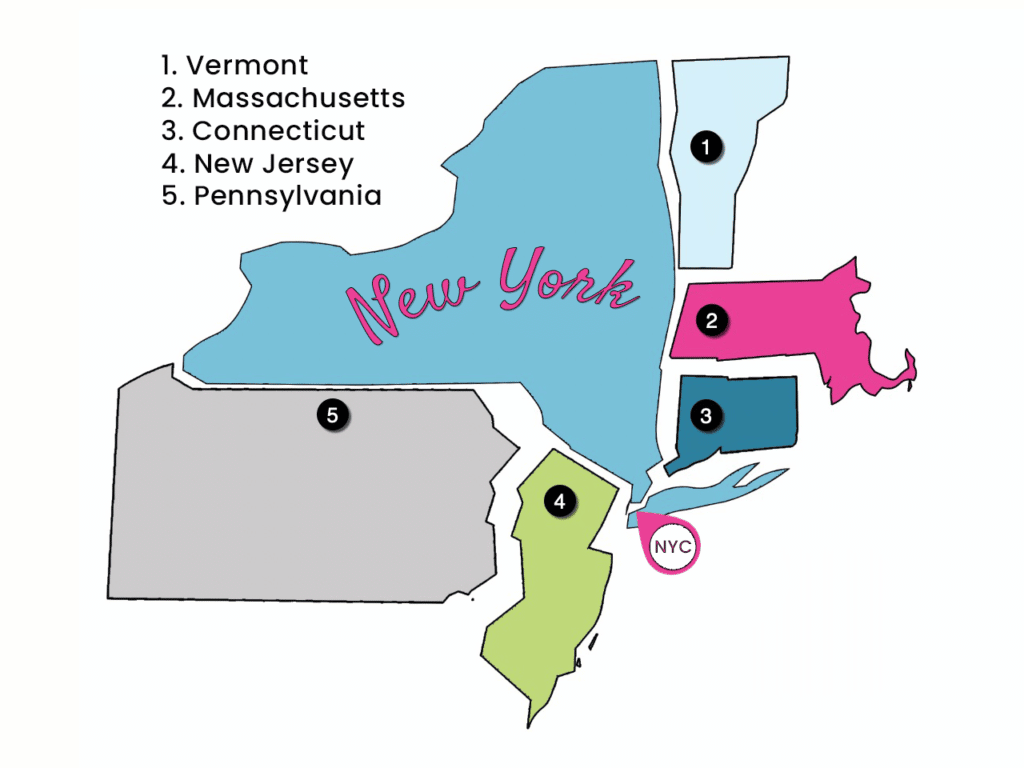
New England Connections: Vermont, Massachusetts, and Connecticut
To the east, the state shares land borders with three New England states: Vermont, Massachusetts, and Connecticut. This region is characterized by rolling hills, historical colonial towns, and seasonal beauty that peaks during the autumnal leaf-peeping season.
Travelers moving from New York into Vermont are often greeted by the majestic Green Mountains, a destination renowned for its outdoor activities like hiking and skiing. Similarly, the border shared with Massachusetts offers a seamless transition into the cultural landscapes of the Berkshires, where art, music, and nature converge. The border with Connecticut is perhaps the most heavily traversed, as it facilitates the daily movement of commuters and tourists between the suburbs of New York City and the coastal charm of New England.
The Southern Gateway: New Jersey and Pennsylvania
Moving south and southwest, the border dynamics change significantly. New Jersey shares a long, complex border with New York, marked primarily by the Hudson River. This region is the heart of the New York metropolitan area, where the urban sprawl makes the state lines feel almost invisible.
Further inland, the state shares a substantial border with Pennsylvania. This boundary stretches from the rolling farmland of the Southern Tier all the way to the Delaware River. For those traveling by road, crossing between New York and Pennsylvania offers a scenic transition from the Catskill Mountains to the rugged, forested landscapes that define much of the interior of the Mid-Atlantic region.
The Northern Border: International Connectivity
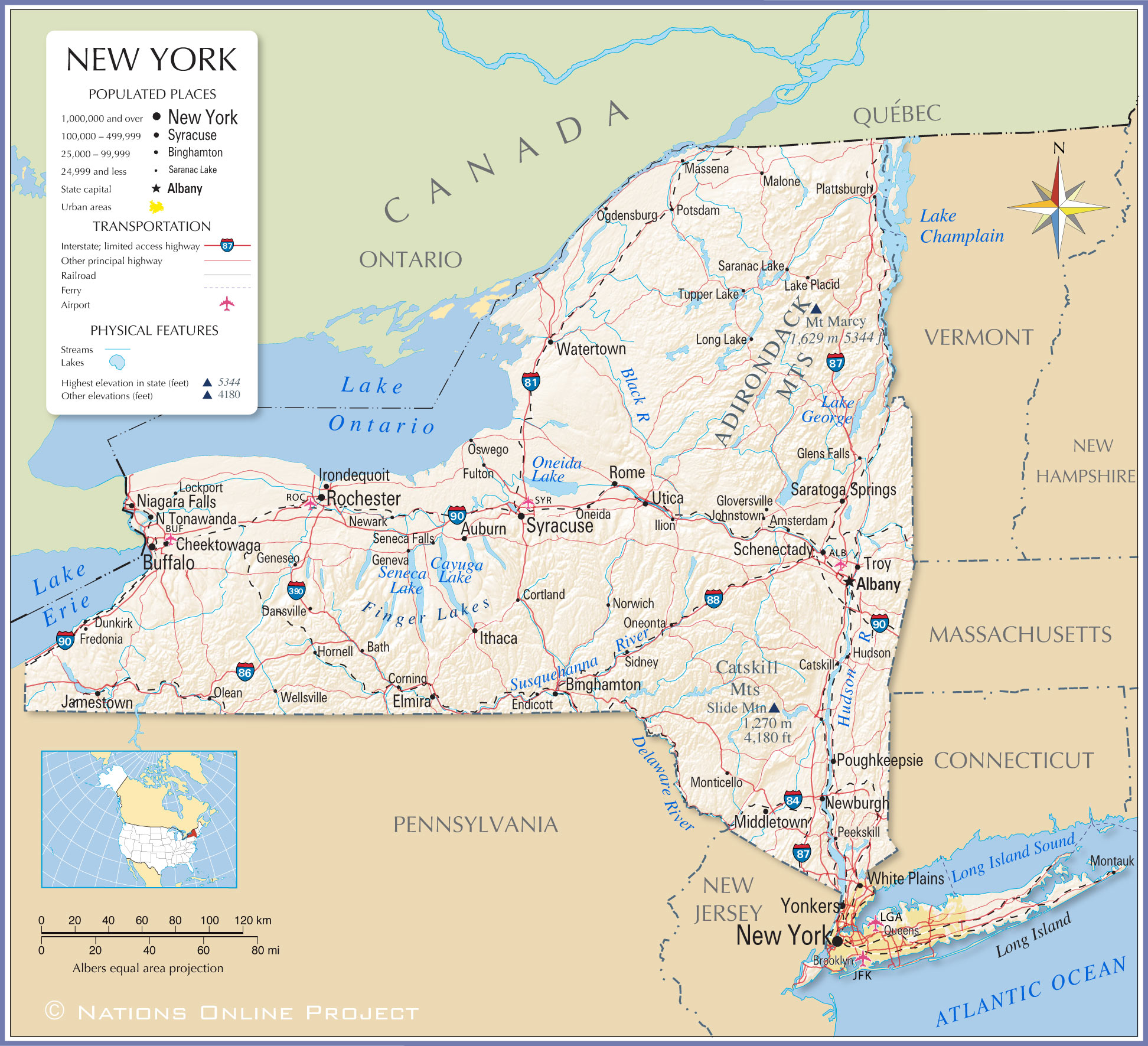
While the prompt focuses on state borders, it is impossible to discuss the geography of New York without acknowledging its significant international northern boundary. To the north and northwest, the state shares a lengthy border with the Canadian provinces of Ontario and Quebec.

Bridging the Gap: Ontario and Quebec
This international border is a critical artery for tourism and trade. The connection to Ontario is most famous for the iconic Niagara Falls, a natural wonder that straddles the two jurisdictions. Visitors can easily cross the Rainbow Bridge to experience the views from both sides of the border.
To the northeast, the border with Quebec creates a gateway into the French-speaking culture of Canada. The proximity of Montreal to the northern New York border makes it an extremely popular destination for weekend excursions from Upstate New York. These international boundaries provide a unique layer to the state’s travel profile, blending domestic exploration with cross-border cultural immersion.
Strategic Travel Planning Across Borders
Navigating the geography of New York requires an understanding of how these bordering states influence your travel style. Each neighbor offers a distinct shift in landscape, culture, and pace.
Road Trips and Regional Exploration
The New York State Thruway and other interstate highways make connecting to these bordering states efficient. A trip starting in New York City can easily transition into a coastal retreat in Connecticut or a mountain getaway in Pennsylvania within a few hours.
For those focusing on Upstate New York, the routes leading to Vermont offer some of the most breathtaking drives in the country, especially during the fall. Meanwhile, the western border near Buffalo acts as a literal doorway to Canada, allowing travelers to experience international travel without the need for extensive long-haul transit.
Understanding the Landscape Transitions
Travelers often notice that as they move across the state borders of New York, the character of the environment shifts subtly but surely:
- The East: Transitioning toward the Atlantic Coast and New England introduces a maritime influence combined with colonial heritage.
- The South: Moving into New Jersey and Pennsylvania immerses you in the industrial and agricultural heartlands of the Mid-Atlantic.
- The North: Crossing the Canadian border opens up a wider perspective of the North American wilderness and European-influenced urban centers.
Conclusion: The Gateway State
New York is much more than its famous metropolis. It is a central point of intersection for the Northeast, acting as a bridge between the Atlantic Ocean, the Great Lakes, and the international neighbors to the north. By recognizing these bordering states—New Jersey, Pennsylvania, Connecticut, Massachusetts, and Vermont—travelers gain a deeper appreciation for the interconnectedness of this diverse region.
Whether you are looking for the rugged beauty of the Adirondack Mountains or the cosmopolitan energy of the cities, your journey is inevitably shaped by the proximity to these neighbors. Understanding these borders is the key to mastering travel in the United States. With the right preparation, you can seamlessly transition between these distinct states, turning a single trip into a comprehensive exploration of the beauty and diversity that defines the Northeastern United States. Always remember to check local traffic and border requirements when planning your routes, as these regional connections remain the lifeblood of travel throughout the entire New York corridor.
LifeOutOfTheBox is a participant in the Amazon Services LLC Associates Program, an affiliate advertising program designed to provide a means for sites to earn advertising fees by advertising and linking to Amazon.com. Amazon, the Amazon logo, AmazonSupply, and the AmazonSupply logo are trademarks of Amazon.com, Inc. or its affiliates. As an Amazon Associate we earn affiliate commissions from qualifying purchases.