
When planning a trip to New York City, one of the most common questions on the minds of prospective travelers concerns personal safety. As the most populous city in the United States, the sheer scale of the metropolis often creates misconceptions fueled by cinematic portrayals and sensationalized headlines. Understanding the reality of crime rates in the “Big Apple” requires looking past the myths and examining the data-driven reality of urban safety for both residents and visitors.
Understanding the Landscape of Urban Safety
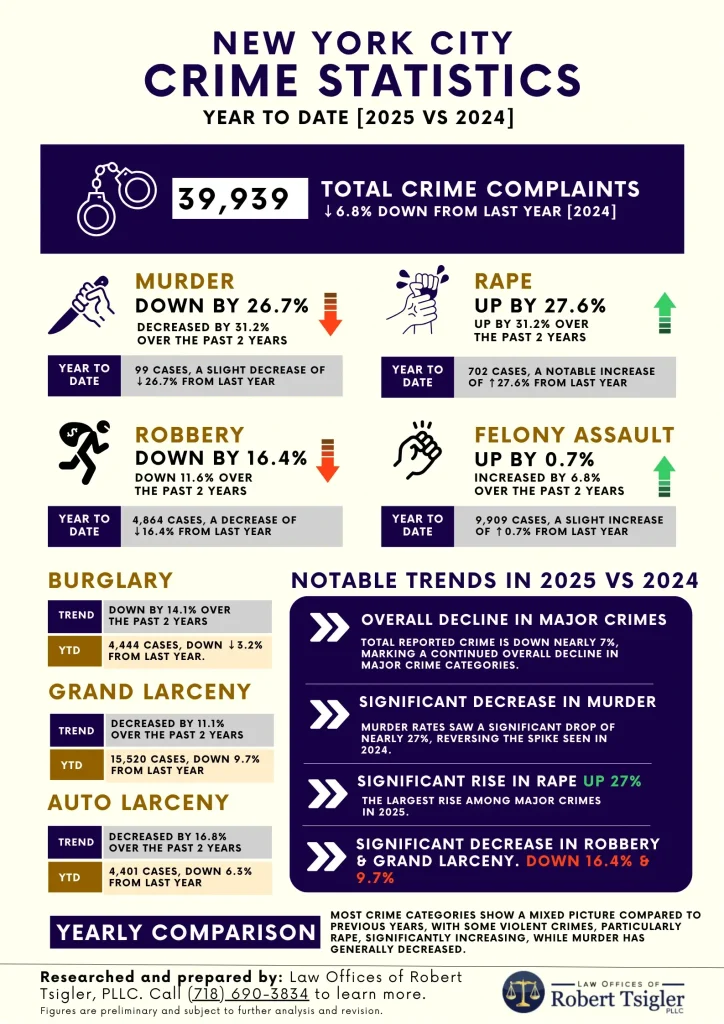
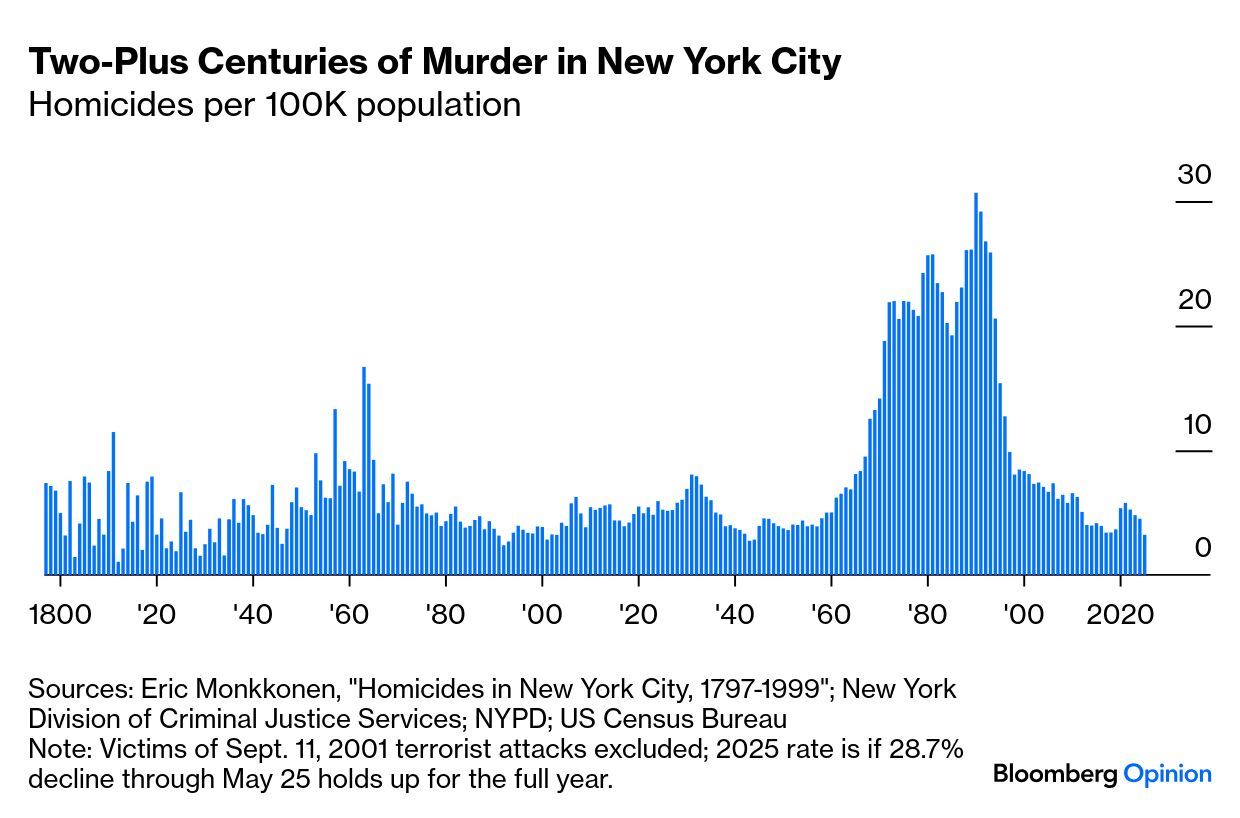
To grasp the current climate, it is essential to view New York City through the lens of modern urban statistics. Over the past three decades, the city has undergone a profound transformation, evolving from a period of high crime in the late 20th century to its current status as one of the safest large cities in the nation.
Statistical Trends and Public Perception
Statistically, the crime rate in New York City remains significantly lower than many other major American metropolitan areas. The local police department—the New York City Police Department—utilizes sophisticated data-tracking systems to monitor criminal activity in real-time. While no city of 8 million people can be entirely free of crime, the prevalence of violent crime in areas frequented by tourists is statistically rare. Most incidents are concentrated in specific, localized neighborhoods that are typically far removed from the primary visitor hubs.
The Contrast Between Reality and Media Representation
The disconnect between the actual crime rate and public perception often stems from the city’s global visibility. Because New York City is a media hub, localized incidents gain national and international coverage, which can create a heightened sense of unease for those planning their first trip to Manhattan. For the average visitor, however, the day-to-day experience is defined by the bustling energy of the streets rather than criminal encounters.
Navigating Tourist Hubs and Public Spaces
For travelers, the most relevant information pertains to the areas where they spend the majority of their time. The primary tourist corridors in New York City are heavily policed and densely populated, which naturally acts as a deterrent for opportunistic crime.
Safety in Midtown and Major Attractions
If you are visiting Times Square, Central Park, or the Empire State Building, you are entering zones that are among the most secure in the city. The high foot traffic in these locations means that police presence is constant. While tourists should always be mindful of pickpockets in extreme crowds—a universal rule for any major global destination—the risk of violent crime in these landmarks is incredibly low.

Using Public Transportation Safely
The New York City Subway is the lifeblood of the city. With millions of daily riders, it is generally safe, particularly during peak hours and on main lines. The system is well-lit and monitored, with transit police regularly patrolling platforms and cars. As with any major transit system, travelers are encouraged to remain aware of their surroundings, keep belongings close, and avoid empty train cars late at night. Utilizing the Metropolitan Transportation Authority resources can help visitors navigate the city with confidence at any hour.
Essential Travel Safety Practices
Regardless of the official crime statistics, practicing “street smarts” is the best way to ensure a seamless experience in New York City. The city rewards those who are observant and respectful of their surroundings.
Staying Aware and Alert
- Maintain Situational Awareness: Avoid walking with your eyes glued to your phone. Being aware of who is around you is the most effective deterrent against being targeted for minor theft.
- Secure Your Belongings: Keep backpacks in front of you when in crowded subway cars or busy tourist areas like Grand Central Terminal.
- Trust Your Intuition: If a street or subway station feels deserted or uncomfortable, simply move to a busier area. New York City is a city of constant motion; if a space feels off, there is almost always a busier alternative nearby.
Cultural Etiquette as a Safety Tool
Much of the safety culture in New York City is about blending in. New Yorkers are known for their direct, purposeful stride. By walking with confidence and appearing to know where you are going, you are less likely to be viewed as an easy target. If you need to look at a map, step inside a Starbucks or a storefront to orient yourself rather than standing stagnant in the middle of a busy sidewalk on Fifth Avenue.
Seasonal and Neighborhood Nuances
The safety profile of the city can fluctuate slightly depending on the season and the specific borough you are visiting. Understanding these nuances can help you plan your itinerary effectively.
Borough-Specific Considerations
While Manhattan draws the most tourists, Brooklyn, Queens, and The Bronx offer incredible cultural experiences. As in any large city, neighborhood safety can change block by block. Research your destination, especially if you have booked a stay in a quieter residential area. Most areas popular with visitors, such as Williamsburg or DUMBO, are vibrant and safe.
Nightlife and Evening Travel
New York City is famous for its “city that never sleeps” moniker, and for good reason. Nightlife in areas like Greenwich Village or Chelsea remains active until the early hours of the morning. When heading home after a show on Broadway, it is often safer to take a taxi or a ride-share service directly from the venue if you are traveling alone or feel uneasy about navigating the late-night subway system.
Ultimately, the crime rate in New York City should not deter you from experiencing everything this global icon has to offer. By exercising the same level of common sense you would employ in any international travel destination, you can enjoy the Statue of Liberty, the world-class museums, and the unmatched energy of the streets with peace of mind. The city is resilient, dynamic, and, despite the headlines, remarkably welcoming to those who visit with an adventurous spirit and a sensible approach to safety.
LifeOutOfTheBox is a participant in the Amazon Services LLC Associates Program, an affiliate advertising program designed to provide a means for sites to earn advertising fees by advertising and linking to Amazon.com. Amazon, the Amazon logo, AmazonSupply, and the AmazonSupply logo are trademarks of Amazon.com, Inc. or its affiliates. As an Amazon Associate we earn affiliate commissions from qualifying purchases.