
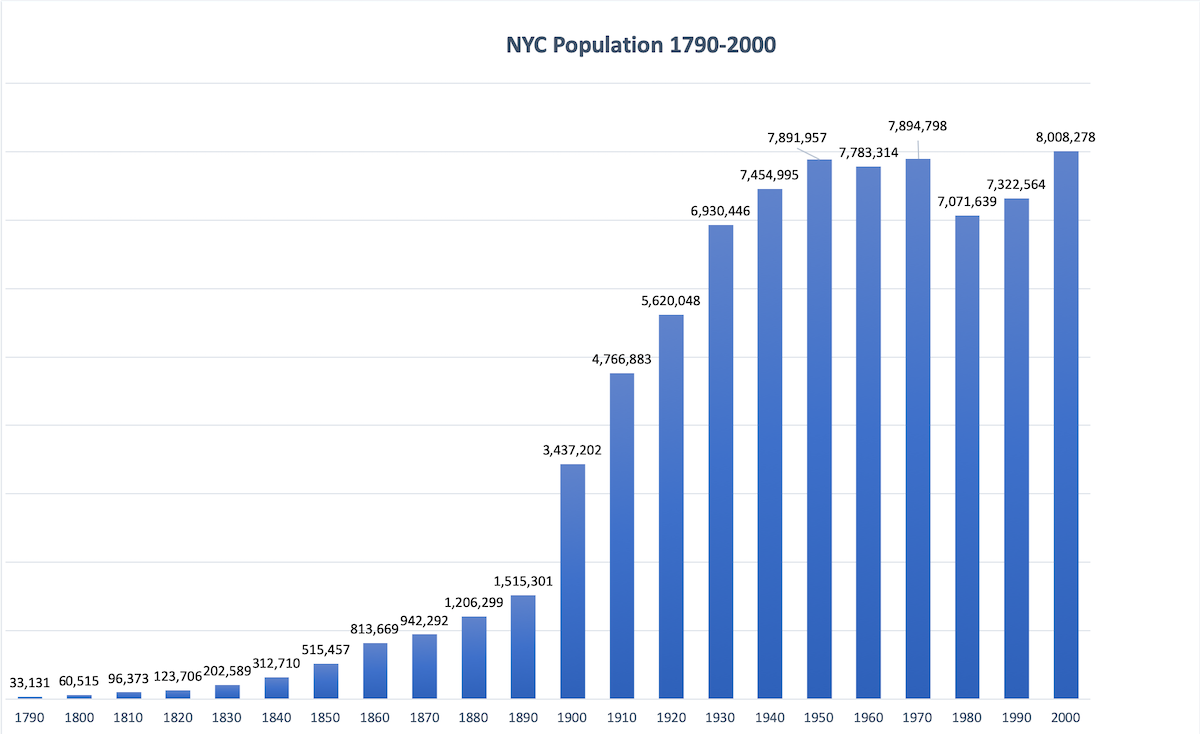
The heartbeat of New York City is defined by its sheer scale, its relentless energy, and its sprawling human geography. As of the most recent census data and subsequent demographic projections, the population of this global metropolis hovers at approximately 8.3 million residents. While this figure fluctuates due to the dynamic nature of urban migration, the five boroughs continue to stand as one of the most densely populated and ethnically diverse environments on the planet. Understanding the scale of this population is essential for any traveler or researcher seeking to grasp how the “City That Never Sleeps” functions on a daily basis.

The Demographic Fabric of the Five Boroughs
The population density of New York City is not uniform; it is distributed across five distinct boroughs, each contributing a unique flavor to the overall cultural mosaic of the region.
The Density of Manhattan
Manhattan remains the core of the city’s economic and cultural life. Despite having the smallest land area among the boroughs, it hosts a staggering number of residents and an even larger daily influx of commuters. The vertical architecture—typified by landmarks like the Empire State Building—is a direct response to this high population density. The island serves as the primary hub for business, finance, and tourism, creating a transient population that can make the actual resident count feel significantly higher than census numbers suggest.
Brooklyn and Queens: Diversity in Action
Brooklyn and Queens have seen the most significant growth in recent decades. These boroughs are often cited as being among the most ethnically diverse places in the entire world. In Queens, you will find neighborhoods where hundreds of languages are spoken, reflecting a global population that has chosen this city as its home. The residential expansion in these areas has been supported by improved transit links and the revitalization of waterfront districts, which has attracted a younger demographic looking for a balance between urban accessibility and community living.
The Outer Boroughs: The Bronx and Staten Island
The Bronx serves as the northern gateway to the city, offering a mix of historic residential neighborhoods and massive green spaces like the Bronx Zoo. Meanwhile, Staten Island presents a more suburban feel, acting as a residential enclave for those who work in the busier districts but prefer a quieter living environment. Together, these boroughs ensure that the city maintains a diverse housing stock that caters to millions of people with varying socio-economic needs.
Urban Dynamics and Migration Patterns
The population of New York City is never static. It is a living, breathing entity shaped by constant inflows and outflows of people. Understanding the “current” population requires looking at the factors that drive these movements.
The Impact of Global Migration
Historically, New York City has been the gateway for immigrants arriving in the United States. This historical precedent continues today. The city’s ability to assimilate and provide opportunity for people from every corner of the globe is what keeps the population levels stable despite the high cost of living. This constant arrival of new talent, cultures, and perspectives is the primary engine behind the city’s status as a global powerhouse.
Shifting Trends Post-2020
Like many major global cities, New York City experienced a notable shift in population dynamics following the events of 2020. The rise of remote work allowed a segment of the population to relocate, leading to a temporary dip in density. However, recent data suggests a robust recovery. As offices reopened and the cultural institutions—such as Broadway and the Metropolitan Museum of Art—resumed full operations, the gravitational pull of the city reasserted itself. The population is currently recalibrating, with a strong focus on professional talent returning to the urban core.
Infrastructure and the Burden of Scale
Managing a population of 8.3 million people requires infrastructure of unparalleled complexity. When visitors navigate the Subway, they are experiencing a system designed to move millions of people across vast distances every single day.
Public Transportation as a Lifeline
The New York City Subway is the circulatory system of the metropolis. Without it, the population density of Manhattan would be functionally impossible. The system operates 24 hours a day, a rarity in the world, reflecting the needs of a workforce that operates in shifts. The strain on this infrastructure is a constant topic of public discourse, as maintaining tunnels, tracks, and rolling stock built over a century ago is essential to supporting the city’s current and future population growth.
The Housing Challenge
Housing availability is the most pressing issue tied to the city’s population. With millions competing for residential space, the real estate market is highly competitive. From the high-rises of Midtown to the brownstones of Brooklyn, the challenge lies in creating sustainable, affordable living options. City planners are constantly balancing the need for historical preservation with the necessity of modern residential development. This tension is a central theme in the city’s ongoing effort to accommodate its growing number of residents while maintaining the character that makes New York City a destination for millions.
The Cultural Significance of Population Density
Beyond the raw numbers, the population of New York City represents a concentration of human ambition and creativity. The reason the city is home to global landmarks like Central Park and the Statue of Liberty is due to the collective demands and aspirations of its dense population.
A Hub of Innovation
When 8.3 million people occupy a relatively small geographic footprint, the result is an intense exchange of ideas. Whether in finance, tech, fashion, or the arts, the proximity of so many specialists leads to higher rates of innovation. This “density effect” is what keeps New York City relevant on the world stage. Residents are constantly exposed to new perspectives, cuisines, and cultures, which in turn fuels the creative output of the city.

The Role of Tourism
It is worth noting that the “population” of the city at any given moment often includes a significant number of tourists. With millions of visitors annually, the city’s infrastructure is tested by a “floating population” that exceeds the resident count. These visitors contribute to the economic vitality of the city, supporting thousands of businesses, restaurants, and cultural venues. For the resident, this means living in a place that is perpetually hosting the world, which contributes to the high-energy, high-stakes atmosphere that defines New York City.
Ultimately, while the current population figure of 8.3 million provides a baseline, the true identity of New York City is found in the fluid, energetic interaction of its diverse inhabitants. Whether you are observing the crowds in Times Square or the quieter streets of outer boroughs, the sheer scale of the population is the defining feature of the American experience. It is a city that grows, adapts, and reinvents itself, mirroring the aspirations of the millions who call it home.
LifeOutOfTheBox is a participant in the Amazon Services LLC Associates Program, an affiliate advertising program designed to provide a means for sites to earn advertising fees by advertising and linking to Amazon.com. Amazon, the Amazon logo, AmazonSupply, and the AmazonSupply logo are trademarks of Amazon.com, Inc. or its affiliates. As an Amazon Associate we earn affiliate commissions from qualifying purchases.