
The political geography of New York State is a fascinating tapestry that defines how residents engage with their local governance. For those traveling to or residing in this vibrant state, understanding the structure of the New York State Senate is essential to grasping the local culture and the administrative heartbeat of the region. As a visitor or a transplant, realizing that the state is divided into 63 distinct legislative districts offers a clearer perspective on the diverse communities that make up the Empire State, from the bustling streets of New York City to the quiet, rolling hills of the Upstate region.

The Geography of Representation in New York State
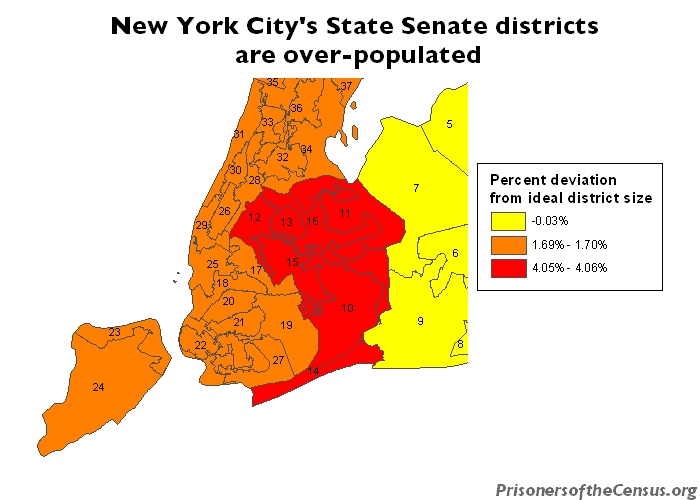
New York’s legislative map is not merely a collection of lines on a page; it is a reflection of the demographic, economic, and cultural shifts within the state. Each of the 63 Senate districts is meticulously designed to represent approximately the same number of constituents, adhering to the principle of “one person, one vote.”
Understanding Legislative Districts
When you travel through different counties, such as Westchester County or Erie County, you are traversing through political boundaries that determine the specific issues prioritized by local leadership. A district in Manhattan may focus heavily on infrastructure and transit, whereas a district in the Finger Lakes region might center its legislative efforts on agriculture, environmental conservation, and tourism development.
How Boundaries Shape Local Culture
The boundaries are redrawn every ten years following the census, a process that inherently impacts the social fabric of local neighborhoods. For the traveler interested in the socio-political climate of Albany, the capital city where these representatives gather to debate, understanding these districts provides context to the diverse legislative agendas that influence everything from local business regulations to the funding of Central Park or the maintenance of the Adirondack Park.
Navigating the Legislative Landscape as a Resident or Visitor
For those living in or visiting New York, knowing your specific Senate district is more than a civic duty; it is a way to understand the immediate environment you are exploring. If you are staying in Brooklyn, for instance, the legislative priorities of your local senator will likely revolve around housing density and small business support. Conversely, those visiting the Hudson Valley may find the conversation dominated by heritage preservation and tourism initiatives.
Finding Your Representative
To identify which district you are in, the New York State Senate official website provides a “Find My Senator” tool. This is a vital resource for anyone looking to engage with local officials, whether you are a long-term resident advocating for community improvements or a curious visitor learning about the local power structures that keep iconic landmarks like the Statue of Liberty protected and accessible.
The Impact of Local Politics on Tourism and Hospitality
Political districts directly influence the funding allocated to regional tourism boards. When you visit the Catskill Mountains or enjoy a weekend in The Hamptons, you are experiencing the results of local and state legislative decisions. Districts that prioritize tourism infrastructure often see better maintenance of state parks, cleaner public beaches, and improved signage for historic sites like the National September 11 Memorial and Museum.
The Interconnectedness of Governance and Community
The New York State Senate is a chamber of 63 senators, each tasked with balancing the needs of their unique constituency. Because the state is so geographically and demographically varied, the “district” serves as a bridge between the hyper-local interests of a village in Long Island and the broader policy mandates discussed in the state capital.
Diversity of Districts
The diversity across these 63 districts is staggering. You might travel from a heavily urbanized district in The Bronx, where social services and public transportation are the primary focus, to a sprawling, rural district in the North Country, where rural broadband access and farming subsidies take center stage. This variety is what makes New York such an intriguing destination for travelers—the culture shift is palpable as you move from district to district.
Policy Effects on the Visitor Experience
Everything from the tax rates on a hotel room in Buffalo to the safety regulations of an amusement park in Queens is influenced by the legislative process occurring within these districts. When you support local businesses, you are engaging with an ecosystem supported by state-level policies designed to sustain the economic health of that specific district. Whether it is the preservation of Saratoga Springs or the development of waterfront projects in Staten Island, the district model ensures that local voices have a clear channel to the state capitol.
Engaging with Local History and Governance
For those who view travel as an opportunity to learn, the New York State Senate districts offer a unique lens through which to view history. Many of these boundaries have remained relatively consistent over decades, though they are always subject to change. Exploring the regions within these districts provides a deeper understanding of how political power has shifted across the state from the era of the Erie Canal to the modern tech-centric era of Silicon Alley.
Why Understanding Districts Matters
- Civic Participation: Even as a visitor, understanding the political landscape helps you appreciate the challenges and triumphs of the communities you visit.
- Economic Context: Knowing why certain regions receive more investment than others can provide insight into the development levels of tourist infrastructure.
- Cultural Awareness: Districts define the community identity, which in turn influences the local food, arts, and events that make a destination like Rochester or Syracuse unique.

The Role of the State Senate
The Senate works in tandem with the New York State Assembly to pass laws that govern every facet of daily life. By looking at a map of these districts, you gain a better appreciation for how New York State manages its massive resources. From the high-rises of Midtown Manhattan to the quiet trails of the Thousand Islands, every square inch of the state belongs to a district, and every district plays a part in the state’s future.
In conclusion, the New York State Senate districts are much more than administrative divisions. They are the frameworks upon which the state’s political, social, and economic life is built. For anyone traveling through or living in this diverse region, acknowledging these boundaries provides a deeper, more professional appreciation for the complex systems that sustain the unique appeal of every destination across the Empire State. Whether you are walking through the historical streets of Cooperstown or navigating the fast-paced energy of Wall Street, you are always within a district—a small piece of the puzzle that makes New York the incredible destination it is today.
LifeOutOfTheBox is a participant in the Amazon Services LLC Associates Program, an affiliate advertising program designed to provide a means for sites to earn advertising fees by advertising and linking to Amazon.com. Amazon, the Amazon logo, AmazonSupply, and the AmazonSupply logo are trademarks of Amazon.com, Inc. or its affiliates. As an Amazon Associate we earn affiliate commissions from qualifying purchases.